![[logo] HealthTree Foundation](https://static.healthtree.org/icons/icon_spinner.svg)
![[logo] HealthTree Foundation](https://static.healthtree.org/logo_icon_only.svg)
How Integrative Oncology Supports Your Health



Integrative oncology combines mind-body practices, natural products, and lifestyle modifications with conventional cancer treatments. It is a structured, evidence-informed approach that is centered on optimizing quality of life and clinical outcomes across the entire cancer journey.
Learn the benefits and how you can incorporate integrative oncology into your care plan if you have cancer.
What is integrative oncology?
Integrative oncology is a patient-centered field of cancer care. It combines newer therapies proposed in clinical trials and conventional treatments approved in guidelines. The goal is to support your physical, emotional, and spiritual well-being.
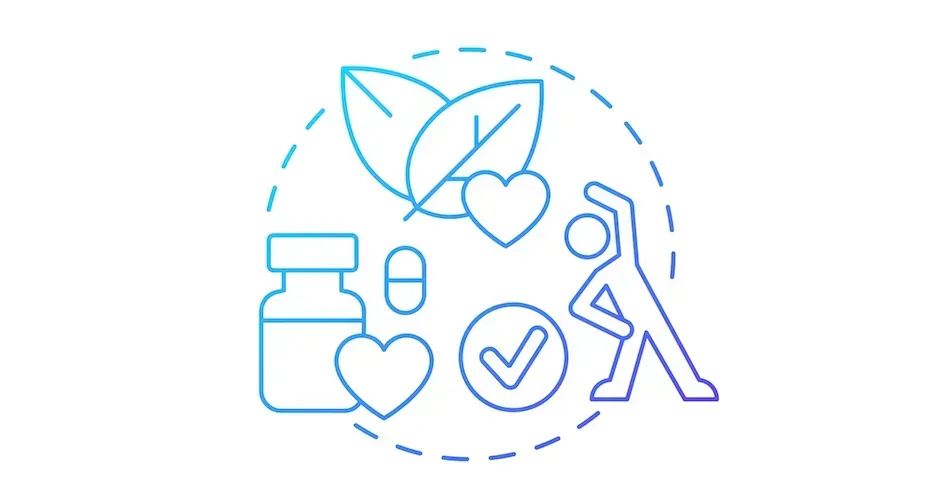
Integrative therapies can include complementary therapies like acupuncture, and lifestyle changes such as meditation, yoga, massage, and nutrition counseling. By enhancing comfort, reducing symptom burden, and improving daily functioning, integrative oncology enables patients to take an active role in their care.
How integrative oncology works
This approach uses therapies grouped into three main categories:
- Mind and body practices include meditation or guided breathing that help calm the nervous system.
- Natural products refer to supplements or herbs, but only those supported by scientific evidence and reviewed with your medical team.
- Lifestyle modifications include personalized exercise guidance, sleep support, and nutrition strategies tailored to your specific needs.
These components work with conventional therapy to improve quality of life and overall health. It’s important to remember that although these changes can significantly improve health, they are not a replacement for cancer therapies. They cannot treat cancer or stop cancer progression. That’s why they are complementary to cancer treatments.
Why integrative oncology is evidence-informed
Integrative oncology relies on scientific research to confirm that an approach is effective and not harmful. Evidence from clinical trials, case studies, and patient experiences helps determine which approaches may be helpful and safe. This is important because many treatments marketed to cancer patients are not supported by research or may interfere with cancer therapies.
How can integrative oncology make a difference?
Integrative care can influence your daily experience with cancer. For example, acupuncture may reduce nausea related to chemotherapy. Mindfulness practices may support sleep, reduce stress, and help you navigate emotional challenges. Gentle movement, such as yoga or walking programs, may improve fatigue. Nutrition support can guide safer use of natural products or supplements.
Together, these strategies may improve your comfort, daily functioning, and participation in treatment. Many patients find that using integrative oncology helps them feel more engaged in decisions about their care.
Active participation in your care can be empowering
Staying informed empowers people and can mold the care they receive. That’s why, at HealthTree we create a safe space with comprehensive information about integrative oncology so you can learn at your own pace. Visit HealthTree University unit to learn about cancer management through integrative approaches.
VISIT INTEGRATIVE ONCOLOGY UNIT
Keeping in mind that a key aim of integrative oncology is to help others become active participants in their health, we created a unique space to bring together all the resources blood cancer patients and their loved ones need in one place.
Get involved by supporting research projects that help expand integrative oncology knowledge.
Sources:
Integrative oncology combines mind-body practices, natural products, and lifestyle modifications with conventional cancer treatments. It is a structured, evidence-informed approach that is centered on optimizing quality of life and clinical outcomes across the entire cancer journey.
Learn the benefits and how you can incorporate integrative oncology into your care plan if you have cancer.
What is integrative oncology?
Integrative oncology is a patient-centered field of cancer care. It combines newer therapies proposed in clinical trials and conventional treatments approved in guidelines. The goal is to support your physical, emotional, and spiritual well-being.
Integrative therapies can include complementary therapies like acupuncture, and lifestyle changes such as meditation, yoga, massage, and nutrition counseling. By enhancing comfort, reducing symptom burden, and improving daily functioning, integrative oncology enables patients to take an active role in their care.
How integrative oncology works
This approach uses therapies grouped into three main categories:
- Mind and body practices include meditation or guided breathing that help calm the nervous system.
- Natural products refer to supplements or herbs, but only those supported by scientific evidence and reviewed with your medical team.
- Lifestyle modifications include personalized exercise guidance, sleep support, and nutrition strategies tailored to your specific needs.
These components work with conventional therapy to improve quality of life and overall health. It’s important to remember that although these changes can significantly improve health, they are not a replacement for cancer therapies. They cannot treat cancer or stop cancer progression. That’s why they are complementary to cancer treatments.
Why integrative oncology is evidence-informed
Integrative oncology relies on scientific research to confirm that an approach is effective and not harmful. Evidence from clinical trials, case studies, and patient experiences helps determine which approaches may be helpful and safe. This is important because many treatments marketed to cancer patients are not supported by research or may interfere with cancer therapies.
How can integrative oncology make a difference?
Integrative care can influence your daily experience with cancer. For example, acupuncture may reduce nausea related to chemotherapy. Mindfulness practices may support sleep, reduce stress, and help you navigate emotional challenges. Gentle movement, such as yoga or walking programs, may improve fatigue. Nutrition support can guide safer use of natural products or supplements.
Together, these strategies may improve your comfort, daily functioning, and participation in treatment. Many patients find that using integrative oncology helps them feel more engaged in decisions about their care.
Active participation in your care can be empowering
Staying informed empowers people and can mold the care they receive. That’s why, at HealthTree we create a safe space with comprehensive information about integrative oncology so you can learn at your own pace. Visit HealthTree University unit to learn about cancer management through integrative approaches.
VISIT INTEGRATIVE ONCOLOGY UNIT
Keeping in mind that a key aim of integrative oncology is to help others become active participants in their health, we created a unique space to bring together all the resources blood cancer patients and their loved ones need in one place.
Get involved by supporting research projects that help expand integrative oncology knowledge.
Sources:

about the author
Jimena Vicencio
Jimena is an International Medical Graduate and a member of the HealthTree Writing team. Currently pursuing a bachelor's degree in journalism, she combines her medical background with a storyteller’s heart to make complex healthcare topics accessible to everyone. Driven by a deep belief that understanding health is a universal right, she is committed to translating scientific and medical knowledge into clear, compassionate language that empowers individuals to take control of their well-being.
More on Navigating Your Health






Get the Latest Multiple Myeloma Updates, Delivered to You.
By subscribing to the HealthTree newsletter, you'll receive the latest research, treatment updates, and expert insights to help you navigate your health.
Together we care.
Together we cure.