![[logo] HealthTree Foundation](https://static.healthtree.org/icons/icon_spinner.svg)
![[logo] HealthTree Foundation](https://static.healthtree.org/logo_icon_only.svg)
When Patients Speak, Care Improves: Older Adults Report More Severe Side Effects Than Clinical Exams Show



Older adults with multiple myeloma often have different health needs and life experiences than younger patients. For example, some treatments may cause too many side effects or affect their quality of life. A new study from Mayo Clinic analyzed how self-reported concerns relate to treatment side effects and outcomes in this modern era of myeloma therapies. The findings highlight why listening to patients’ voices is essential when planning care.
What is a geriatric assessment?
A geriatric assessment helps health professionals address health needs in older adults. In cancer care, an older adult is considered anyone who is age 65 and above. People age differently. Some people may not have many health challenges while others have many. The assessments help doctors identify challenges and understand how age-related factors, such as mobility, memory, mood, and other medical conditions, can impact cancer treatment. It evaluates a person’s overall health, strength, and daily function.
Understanding if tools like geriatric assessments help improve outcomes for people with cancer is an important part of research. These tools can also provide insights into how patients feel.
How was this study designed?
This study included 90 patients who were 60 years and older who started a new myeloma treatment between March 2023 and June 2024. Patients completed an electronic geriatric assessment before treatment and again after four cycles.
The researchers collected information on:
- Treatment side effects using physician reports and patient-reported tools
- Quality of life using the PROMIS-10 Global Health Short Form
- Hospital visits, treatment delays, and dose reductions
What concerns did the older adults have before starting multiple myeloma treatment?
Even before treatment started, many patients reported challenges that could affect their care.
- 39% had three or more other medical conditions
- 21% had fallen in the previous six months
- 40% reported at least one limitation in instrumental activities of daily living (IADLs), such as managing medications or finances.
Some patients also reported mild cognitive (memory or concentration) changes or symptoms of anxiety and depression. These findings show that other health conditions and daily functioning play a meaningful role.
How often did serious side effects occur?
Physicians graded severe non-blood-related side effects (grade 3 or higher) in 19% of patients. However, when patients reported their own symptoms using a patient-reported version of the Common Terminology Criteria for Adverse Events (CTCAE), 49% described severe symptoms.
This difference suggests that traditional physician reporting may underestimate how burdensome treatment feels to patients.
Which geriatric factors were linked to higher toxicity?
Patients were more likely to experience serious non-blood-related toxicity if they had:
- Older age
- Three or more other medical conditions
- Anxiety symptoms
- At least one IADL limitation
- Lower performance status (a measure of daily functioning)
- Difficulty climbing several flights of stairs
In fact, difficulty climbing stairs and older age was associated with severe toxicity even after adjusting for other factors. Polypharmacy (taking nine or more medications) was linked to treatment adjustments and greater healthcare use.
After four cycles of therapy, there were no major overall changes in geriatric assessment scores across the group. However, individual experiences varied. Some patients improved, some remained stable, and others declined in physical functions.
Why are patient-reported outcomes so important?
Patient-reported outcomes (PROs) are tools that capture how you feel directly from you, rather than relying only on clinical tests or doctor observations.
In this study, PROs revealed a much higher rate of severe symptoms than physician grading alone.
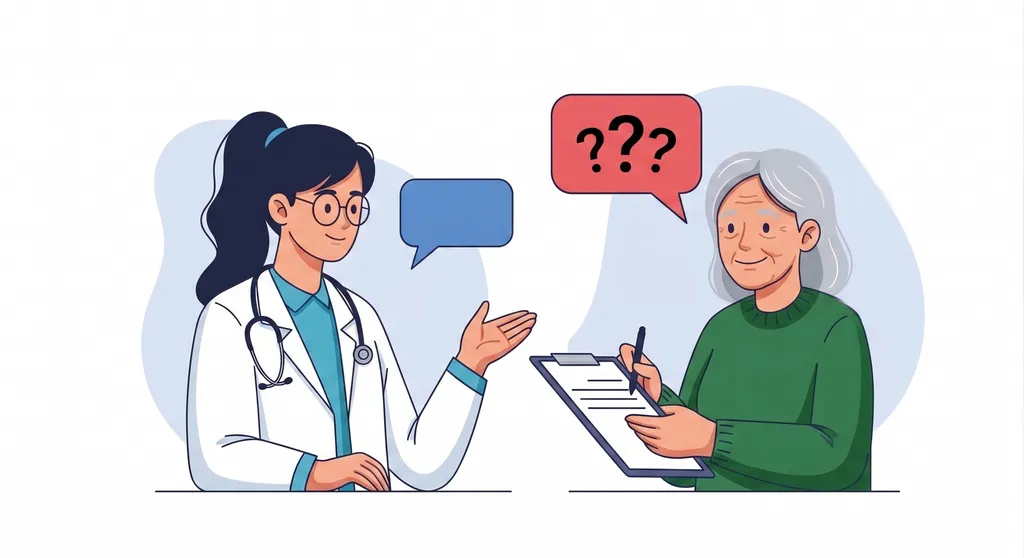
That gap reinforces an important message: your voice matters. Reporting fatigue, pain, balance problems, or emotional distress can help your care team adjust treatment sooner and more safely.
If you are living with multiple myeloma, consider asking your care team about a geriatric assessment or discussing any changes in your daily function, balance, memory, or mood.
Your experience is unique, and your voice deserves to guide your care. This is why you can also take an active role in research contributing to patient reported outcomes like this with HealthTree, by creating an account you can access all our free resources and answer questionnaires so you can keep track of your health, connect your records so it’s all in one place, be a part of our community and so much more.
Older adults with multiple myeloma often have different health needs and life experiences than younger patients. For example, some treatments may cause too many side effects or affect their quality of life. A new study from Mayo Clinic analyzed how self-reported concerns relate to treatment side effects and outcomes in this modern era of myeloma therapies. The findings highlight why listening to patients’ voices is essential when planning care.
What is a geriatric assessment?
A geriatric assessment helps health professionals address health needs in older adults. In cancer care, an older adult is considered anyone who is age 65 and above. People age differently. Some people may not have many health challenges while others have many. The assessments help doctors identify challenges and understand how age-related factors, such as mobility, memory, mood, and other medical conditions, can impact cancer treatment. It evaluates a person’s overall health, strength, and daily function.
Understanding if tools like geriatric assessments help improve outcomes for people with cancer is an important part of research. These tools can also provide insights into how patients feel.
How was this study designed?
This study included 90 patients who were 60 years and older who started a new myeloma treatment between March 2023 and June 2024. Patients completed an electronic geriatric assessment before treatment and again after four cycles.
The researchers collected information on:
- Treatment side effects using physician reports and patient-reported tools
- Quality of life using the PROMIS-10 Global Health Short Form
- Hospital visits, treatment delays, and dose reductions
What concerns did the older adults have before starting multiple myeloma treatment?
Even before treatment started, many patients reported challenges that could affect their care.
- 39% had three or more other medical conditions
- 21% had fallen in the previous six months
- 40% reported at least one limitation in instrumental activities of daily living (IADLs), such as managing medications or finances.
Some patients also reported mild cognitive (memory or concentration) changes or symptoms of anxiety and depression. These findings show that other health conditions and daily functioning play a meaningful role.
How often did serious side effects occur?
Physicians graded severe non-blood-related side effects (grade 3 or higher) in 19% of patients. However, when patients reported their own symptoms using a patient-reported version of the Common Terminology Criteria for Adverse Events (CTCAE), 49% described severe symptoms.
This difference suggests that traditional physician reporting may underestimate how burdensome treatment feels to patients.
Which geriatric factors were linked to higher toxicity?
Patients were more likely to experience serious non-blood-related toxicity if they had:
- Older age
- Three or more other medical conditions
- Anxiety symptoms
- At least one IADL limitation
- Lower performance status (a measure of daily functioning)
- Difficulty climbing several flights of stairs
In fact, difficulty climbing stairs and older age was associated with severe toxicity even after adjusting for other factors. Polypharmacy (taking nine or more medications) was linked to treatment adjustments and greater healthcare use.
After four cycles of therapy, there were no major overall changes in geriatric assessment scores across the group. However, individual experiences varied. Some patients improved, some remained stable, and others declined in physical functions.
Why are patient-reported outcomes so important?
Patient-reported outcomes (PROs) are tools that capture how you feel directly from you, rather than relying only on clinical tests or doctor observations.
In this study, PROs revealed a much higher rate of severe symptoms than physician grading alone.
That gap reinforces an important message: your voice matters. Reporting fatigue, pain, balance problems, or emotional distress can help your care team adjust treatment sooner and more safely.
If you are living with multiple myeloma, consider asking your care team about a geriatric assessment or discussing any changes in your daily function, balance, memory, or mood.
Your experience is unique, and your voice deserves to guide your care. This is why you can also take an active role in research contributing to patient reported outcomes like this with HealthTree, by creating an account you can access all our free resources and answer questionnaires so you can keep track of your health, connect your records so it’s all in one place, be a part of our community and so much more.

about the author
Jimena Vicencio
Jimena is an International Medical Graduate and a member of the HealthTree Writing team. Currently pursuing a bachelor's degree in journalism, she combines her medical background with a storyteller’s heart to make complex healthcare topics accessible to everyone. Driven by a deep belief that understanding health is a universal right, she is committed to translating scientific and medical knowledge into clear, compassionate language that empowers individuals to take control of their well-being.
More on Conferences






Trending Articles



Upcoming Events



Get the Latest Multiple Myeloma Updates, Delivered to You.
By subscribing to the HealthTree newsletter, you'll receive the latest research, treatment updates, and expert insights to help you navigate your health.
Together we care.
Together we cure.