![[logo] HealthTree Foundation](https://static.healthtree.org/icons/icon_spinner.svg)
![[logo] HealthTree Foundation](https://static.healthtree.org/logo_icon_only.svg)
A Cure in Sight: A Bold Prediction for the Future of Myeloma Treatment
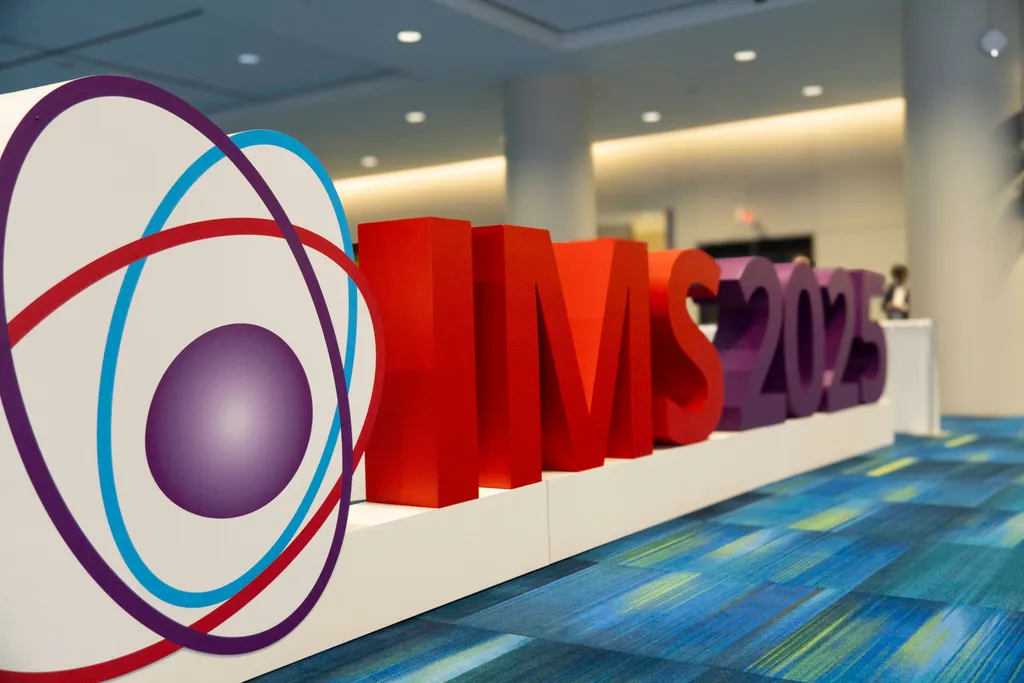


Dr. Saad Usmani delivered a message of profound optimism at the IMS 2025 conference, predicting that a functional cure for multiple myeloma is an achievable goal, potentially within the next decade. This hopeful future, he argued, will not be built on undiscovered medicines, but on strategically optimizing the powerful therapies we already have.
The roadmap to this cure involves using smart combinations to guide every patient toward a deep and, most importantly, sustained state of minimal residual disease (MRD) negativity without the need for continuous therapy.
The blueprint for a functional cure
A functional cure is a state where a patient can remain in a deep, long-term remission with no evidence of disease, even after stopping treatment. The benchmark for this goal, Dr. Usmani explained, is achieving a sustained state of MRD negativity at a very sensitive level (detecting less than one cancer cell in a million, or 10⁻⁶).
This is not a far-off dream; the pathway is already being paved. Modern quadruplet induction therapies are already getting 20% to 27% of patients to this deep MRD level. Adding consolidation therapy could add another 15% to 20% to that number. A smart, two-drug maintenance strategy could bring the total to two-thirds of all patients reaching the curative threshold. The trend is clear: an ever-increasing number of patients are achieving the sustained MRD negativity that is the essential first step toward a cure.
A new way of thinking about treatment
Achieving this goal will require a fundamental shift in how myeloma is managed.
Moving Beyond "Lines of Therapy": Instead of simply counting the number of treatments a patient has had, the focus will shift to which classes of drugs their myeloma has been exposed to. The prediction is that after 2030, most patients may only ever need a first- and second-line therapy to achieve a functional cure.
Proactive Relapse Management: In the future, treatment for a relapse won't wait for symptoms to appear. It will be triggered at the earliest possible moment, when a highly sensitive blood test detects the resurgence of MRD. This proactive approach aims to control the disease before it ever gains a foothold.
Personalized Strategies: For high-risk patients, T-cell redirecting therapies like CAR-T will likely be used much earlier. The duration of treatment will also be tailored, with standard-risk patients potentially receiving a fixed course of two years, while high-risk patients may receive at least three.
The next wave of therapeutic innovation
The toolbox of myeloma therapies will continue to expand and improve.
More Accessible CAR-T: A major goal is developing "point of care" CAR-T products that can be created and administered locally, dramatically improving global access.
Smarter Antibodies: The next generation of bispecific and trispecific antibodies will be engineered to target multiple cancer antigens at once, making them even more powerful.
Targeted Pills: There is still a critical need for new oral drugs that are designed to attack the specific biological weaknesses of different myeloma subtypes.
As survival improves, the focus will also broaden to include quality of life, better strategies to prevent infections, and minimizing the long-term risk of second cancers. However, Dr. Usmani stressed that the single greatest challenge is ensuring equitable global access to these advanced therapies, a problem that requires a shared solution from the entire international myeloma community.
Dr. Usmani's vision for the future of myeloma is not a distant dream but an achievable reality built on the rapid progress of the last decade. The path to a functional cure lies in the intelligent application of our current and emerging therapies, with a relentless focus on achieving sustained MRD negativity. By shifting from a reactive to a proactive treatment model, continuing to innovate, and addressing the critical challenge of global access, the myeloma community is poised to transform the diagnosis from a chronic condition to a curable one for a growing number of patients within the next ten years.
The latest myeloma research, delivered weekly.
HealthTree Foundation's weekly newsletter delivers myeloma news, breaking conference research, FDA approvals, side effect management, patient stories, and more right to your inbox.
Dr. Saad Usmani delivered a message of profound optimism at the IMS 2025 conference, predicting that a functional cure for multiple myeloma is an achievable goal, potentially within the next decade. This hopeful future, he argued, will not be built on undiscovered medicines, but on strategically optimizing the powerful therapies we already have.
The roadmap to this cure involves using smart combinations to guide every patient toward a deep and, most importantly, sustained state of minimal residual disease (MRD) negativity without the need for continuous therapy.
The blueprint for a functional cure
A functional cure is a state where a patient can remain in a deep, long-term remission with no evidence of disease, even after stopping treatment. The benchmark for this goal, Dr. Usmani explained, is achieving a sustained state of MRD negativity at a very sensitive level (detecting less than one cancer cell in a million, or 10⁻⁶).
This is not a far-off dream; the pathway is already being paved. Modern quadruplet induction therapies are already getting 20% to 27% of patients to this deep MRD level. Adding consolidation therapy could add another 15% to 20% to that number. A smart, two-drug maintenance strategy could bring the total to two-thirds of all patients reaching the curative threshold. The trend is clear: an ever-increasing number of patients are achieving the sustained MRD negativity that is the essential first step toward a cure.
A new way of thinking about treatment
Achieving this goal will require a fundamental shift in how myeloma is managed.
Moving Beyond "Lines of Therapy": Instead of simply counting the number of treatments a patient has had, the focus will shift to which classes of drugs their myeloma has been exposed to. The prediction is that after 2030, most patients may only ever need a first- and second-line therapy to achieve a functional cure.
Proactive Relapse Management: In the future, treatment for a relapse won't wait for symptoms to appear. It will be triggered at the earliest possible moment, when a highly sensitive blood test detects the resurgence of MRD. This proactive approach aims to control the disease before it ever gains a foothold.
Personalized Strategies: For high-risk patients, T-cell redirecting therapies like CAR-T will likely be used much earlier. The duration of treatment will also be tailored, with standard-risk patients potentially receiving a fixed course of two years, while high-risk patients may receive at least three.
The next wave of therapeutic innovation
The toolbox of myeloma therapies will continue to expand and improve.
More Accessible CAR-T: A major goal is developing "point of care" CAR-T products that can be created and administered locally, dramatically improving global access.
Smarter Antibodies: The next generation of bispecific and trispecific antibodies will be engineered to target multiple cancer antigens at once, making them even more powerful.
Targeted Pills: There is still a critical need for new oral drugs that are designed to attack the specific biological weaknesses of different myeloma subtypes.
As survival improves, the focus will also broaden to include quality of life, better strategies to prevent infections, and minimizing the long-term risk of second cancers. However, Dr. Usmani stressed that the single greatest challenge is ensuring equitable global access to these advanced therapies, a problem that requires a shared solution from the entire international myeloma community.
Dr. Usmani's vision for the future of myeloma is not a distant dream but an achievable reality built on the rapid progress of the last decade. The path to a functional cure lies in the intelligent application of our current and emerging therapies, with a relentless focus on achieving sustained MRD negativity. By shifting from a reactive to a proactive treatment model, continuing to innovate, and addressing the critical challenge of global access, the myeloma community is poised to transform the diagnosis from a chronic condition to a curable one for a growing number of patients within the next ten years.
The latest myeloma research, delivered weekly.
HealthTree Foundation's weekly newsletter delivers myeloma news, breaking conference research, FDA approvals, side effect management, patient stories, and more right to your inbox.

about the author
Valeria Escobedo
Valeria Escobedo is an International Medical Graduate who joined HealthTree in May 2024 as a Clinical Data Manager and Research Associate. She supports myeloma patients by transforming medical records into clear, accurate profiles that drive research and care. Outside of work, she enjoys romance novels, traveling, listening to music while she works, and finding beauty in everyday moments.
More on Conferences

Trending Articles

Upcoming Events


Get the Latest Multiple Myeloma Updates, Delivered to You.
By subscribing to the HealthTree newsletter, you'll receive the latest research, treatment updates, and expert insights to help you navigate your health.
Together we care.
Together we cure.