![[logo] HealthTree Foundation](https://static.healthtree.org/icons/icon_spinner.svg)
![[logo] HealthTree Foundation](https://static.healthtree.org/logo_icon_only.svg)
Myeloma Clinical Trials Explained | New Studies and Patient Safety
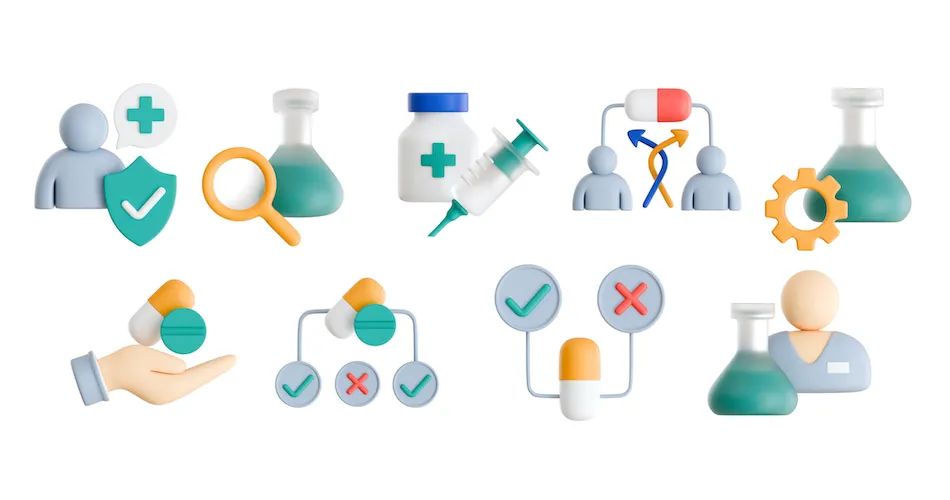


Clinical trials help improve myeloma treatment and give patients access to newer therapies. In a recent webinar, myeloma specialist Dr. Isaac Levy explained how clinical trials work, how safety is monitored, and certain myeloma studies that are enrolling patients now.
Clinical trials helped improve myeloma care
All new treatments for myeloma are studied in clinical trials. Researchers have improved myeloma care over the last two decades through these studies.
A clinical trial studies new therapies or new treatment combinations. Researchers compare these treatments to the current “standard of care.” Standard of care means the treatment doctors most commonly recommend today.
Clinical trials may give people access to treatments before wider approval.
Understanding clinical trial phases
Clinical trials happen in different phases. Each phase studies something different.
- Phase 1 studies focus on safety and dosing.
- Phase 2 studies look at how well treatments work.
- Phase 3 studies compare treatments to standard care.
- Phase 4 studies collect long-term information after approval.
Understanding these phases may help you feel more informed when reviewing trial options.
Patients still receive treatment in clinical trials
Some people worry about getting a placebo during a clinical trial. Dr. Levy said that all patients in a cancer clinical trial receive treatment. Even if a placebo is given, it is given in addition to treatment for the cancer. In the studies discussed, patients always receive at least standard-of-care therapy.
Patients in clinical trials are also monitored closely. Many studies include regular lab work and clinic visits.
Before joining a study, patients complete informed consent. This process explains the study goals, risks, side effects, and possible benefits. Family members and caregivers often join these discussions. This process can help patients make more informed treatment decisions.
Some clinical trials help with costs
Some studies help patients with travel or transportation costs. Certain trials may also compensate patients for their time. This support may help reduce some financial stress during treatment. To find out if financial assistance is offered, ask the study’s principal investigator. Their contact information is located on the clinical trial’s page.
New myeloma studies are enrolling now
Several myeloma studies discussed during the webinar are actively enrolling patients.
One study, DREAMM-10, is testing belantamab mafodotin (Blenrep, GSK) with lenalidomide and dexamethasone in newly diagnosed patients who are not eligible for a stem cell transplant.
Belantamab mafodotin is an antibody-drug conjugate. This treatment attaches a cancer-targeting antibody to a cancer-killing medicine. It targets a protein called BCMA found on myeloma cells.
Another trial, DREAMM-20, is testing a newer version of the antibody without the attached cancer-killing medicine. Researchers hope this approach may lower possible eye-related side effects while still controlling myeloma.
Researchers also discussed a newer way to give isatuximab (Sarclisa, Sanofi). Instead of a long IV infusion, patients receive the medicine through an on-body injector over about 13 minutes. Patients reported liking the shorter treatment time and easier delivery process.
Finding clinical trials for myeloma
Ask your myeloma specialist about clinical trials that may be a good match for you. You can also search for studies through ClinicalTrials.gov and HealthTree’s Clinical Trial Finder. HealthTree’s tool compares your medical records with available studies. This helps narrow your possible trial matches.
Questions to ask your doctor about clinical trials
- Am I eligible for any clinical trials right now?
- What are the possible benefits and risks?
- How could this study affect my quality of life?
- What side effects may happen, and how are they managed?
- Will this study require extra visits or travel?
These questions can help you decide with your doctor whether a trial fits your goals and needs.
Clinical trials continue to improve myeloma treatment options. Researchers are studying therapies that may work better, lower side effects, or shorten treatment times. Learning how clinical trials work may help people with myeloma feel more prepared when discussing treatment options with their care team.
Get the latest myeloma updates delivered to you! The HealthTree newsletter shares core education, research advances, and more directly to your inbox.
Clinical trials help improve myeloma treatment and give patients access to newer therapies. In a recent webinar, myeloma specialist Dr. Isaac Levy explained how clinical trials work, how safety is monitored, and certain myeloma studies that are enrolling patients now.
Clinical trials helped improve myeloma care
All new treatments for myeloma are studied in clinical trials. Researchers have improved myeloma care over the last two decades through these studies.
A clinical trial studies new therapies or new treatment combinations. Researchers compare these treatments to the current “standard of care.” Standard of care means the treatment doctors most commonly recommend today.
Clinical trials may give people access to treatments before wider approval.
Understanding clinical trial phases
Clinical trials happen in different phases. Each phase studies something different.
- Phase 1 studies focus on safety and dosing.
- Phase 2 studies look at how well treatments work.
- Phase 3 studies compare treatments to standard care.
- Phase 4 studies collect long-term information after approval.
Understanding these phases may help you feel more informed when reviewing trial options.
Patients still receive treatment in clinical trials
Some people worry about getting a placebo during a clinical trial. Dr. Levy said that all patients in a cancer clinical trial receive treatment. Even if a placebo is given, it is given in addition to treatment for the cancer. In the studies discussed, patients always receive at least standard-of-care therapy.
Patients in clinical trials are also monitored closely. Many studies include regular lab work and clinic visits.
Before joining a study, patients complete informed consent. This process explains the study goals, risks, side effects, and possible benefits. Family members and caregivers often join these discussions. This process can help patients make more informed treatment decisions.
Some clinical trials help with costs
Some studies help patients with travel or transportation costs. Certain trials may also compensate patients for their time. This support may help reduce some financial stress during treatment. To find out if financial assistance is offered, ask the study’s principal investigator. Their contact information is located on the clinical trial’s page.
New myeloma studies are enrolling now
Several myeloma studies discussed during the webinar are actively enrolling patients.
One study, DREAMM-10, is testing belantamab mafodotin (Blenrep, GSK) with lenalidomide and dexamethasone in newly diagnosed patients who are not eligible for a stem cell transplant.
Belantamab mafodotin is an antibody-drug conjugate. This treatment attaches a cancer-targeting antibody to a cancer-killing medicine. It targets a protein called BCMA found on myeloma cells.
Another trial, DREAMM-20, is testing a newer version of the antibody without the attached cancer-killing medicine. Researchers hope this approach may lower possible eye-related side effects while still controlling myeloma.
Researchers also discussed a newer way to give isatuximab (Sarclisa, Sanofi). Instead of a long IV infusion, patients receive the medicine through an on-body injector over about 13 minutes. Patients reported liking the shorter treatment time and easier delivery process.
Finding clinical trials for myeloma
Ask your myeloma specialist about clinical trials that may be a good match for you. You can also search for studies through ClinicalTrials.gov and HealthTree’s Clinical Trial Finder. HealthTree’s tool compares your medical records with available studies. This helps narrow your possible trial matches.
Questions to ask your doctor about clinical trials
- Am I eligible for any clinical trials right now?
- What are the possible benefits and risks?
- How could this study affect my quality of life?
- What side effects may happen, and how are they managed?
- Will this study require extra visits or travel?
These questions can help you decide with your doctor whether a trial fits your goals and needs.
Clinical trials continue to improve myeloma treatment options. Researchers are studying therapies that may work better, lower side effects, or shorten treatment times. Learning how clinical trials work may help people with myeloma feel more prepared when discussing treatment options with their care team.
Get the latest myeloma updates delivered to you! The HealthTree newsletter shares core education, research advances, and more directly to your inbox.

about the author
Megan Heaps
Megan joined HealthTree in 2022. She enjoys helping patients and their care partners understand the various aspects of the cancer. This understanding enables them to better advocate for themselves and improve their treatment outcomes.
More on Clinical Trials




Trending Articles



Upcoming Events


Get the Latest Multiple Myeloma Updates, Delivered to You.
By subscribing to the HealthTree newsletter, you'll receive the latest research, treatment updates, and expert insights to help you navigate your health.
Together we care.
Together we cure.