![[logo] HealthTree Foundation](https://static.healthtree.org/icons/icon_spinner.svg)
![[logo] HealthTree Foundation](https://static.healthtree.org/logo_icon_only.svg)
Using Whole Genome Sequencing to Personalize Myeloma Care
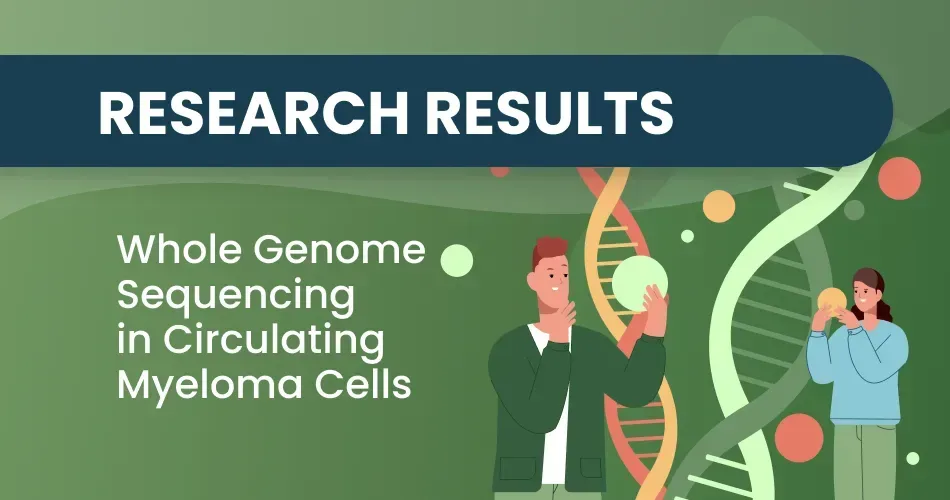


In a cross-sectional survey conducted on the HealthTree Foundation platform, 480 patients living with plasma cell disorders, including MGUS, smoldering myeloma, or active multiple myeloma, answered questions about advanced genetic tools. The final report was completed in March 2026 to help researchers understand patient awareness of tools such as whole genome sequencing (WGS).
What is whole genome sequencing?
Whole genome sequencing (WGS) is a technology that provides a complete view of the genetic map of a cancer cell. It is an analysis that examines the entire genome to identify complex changes that standard tests may miss. By using WGS, each person could be matched to the specific treatment combinations most likely to lead to deep, long-lasting remission.
Continue reading Why MRD and WGS Are Game Changers for Myeloma Treatment.
The survey results showed how people with plasma cell disorders felt about WGS
- The confidence gap: 31.9% of all people who answered reported low confidence in knowing which treatment would benefit them most. This uncertainty was highest among patients with precursor conditions like MGUS or smoldering myeloma, where 54.2% reported low confidence.
- WGS enthusiasm: While 96.2% of patients agreed that a personalized approach using genetics would improve their health results, only 11% said they were very familiar with WGS technology.
- Gender differences: Female patients reported lower confidence in choosing treatments (37% compared to 26% for males). However, they were more likely to agree that a genomic approach would improve their health (77% compared to 64%).
- Care setting gaps: Patients who received all of their care within a single large hospital system (Integrated Network) reported lower rates of previous genetic testing at 50%. This is lower than patients seen at academic centers (81%) or those who used a mix of different care settings (96%).
- High willingness for research: There is a strong desire to join new studies, with 95.6% of patients willing to provide blood for WGS and 83% willing to join a full WGS research study.
The survey also showed the power of information
The survey results highlight that when patients are given clear information, their appreciation for advanced tools like Whole Genome Sequencing (WGS) grows significantly.
Before reading a brief educational passage about how WGS works, 81.8% of patients already felt that comprehensive genetic analysis was very or extremely important. However, after learning that WGS provides a high-resolution view of the entire cancer genome, that number rose to 96.2%.
The most notable change was in the "extremely important" category:
- Before education: 51% of patients rated WGS as extremely important.
- After education: 75% of patients rated it as extremely important
Information made people more familiar with the tests they’ve had
The research found that patients who started with the lowest familiarity showed the most dramatic change in their perspective. Among those who said they were "not familiar at all" with WGS at the start of the survey, approximately 42% were also unsure if they had ever received any type of genetic test for their myeloma.
After reading the educational information, these same patients converted from being unfamiliar to viewing the technology as highly important at the highest rates seen in the entire study. This suggests that a lack of familiarity reflects that more can be done at the clinic visit to explain to patients why some tests are chosen.
Closing the information gap is part of patient care
One of the most important findings from this research is the gap between what patients believe and what they currently understand. There is a major difference between patient enthusiasm and technical knowledge.
For example, 97% of participants agreed or strongly agreed that a personalized approach to their care would lead to better health results. However, only 11% of those same patients described themselves as "very familiar" with the actual technology of WGS. This data shows that patients are not necessarily skeptical about advanced genetics. .
The challenge is that many remain unaware of the specific tools, like WGS, that can make personalized medicine a reality. This means that additional patient education from doctors and researchers about how these tools can help patients understand the role tools like WGS play in personalized medicine.
Learning from these results shows that the primary barrier to using advanced tools like WGS is information access, not patient unwillingness. Because the patient community wants to learn more, the real work ahead is focused on education and providing better access. Patients already agree on the goal of reaching better, personalized treatment.; they simply have not yet been introduced to the technology that can take them to that destination
Patient involvement is key
As treatment advances become more personalized, more is needed to help patients understand tests like WGS. Patients are not resisting these new methods, but they often do not have the tools they need to feel fully confident when making informed decisions. People can learn more and healthcare professionals can help close the gap between patients and a reliable source of information.
Thank you to all the patients and cure contributors who make research like this possible. Help HealthTree accelerate life-saving research. Become a cure contributor and create your free account.
See the publication here: Patients Want More Than FISH: Survey of 480 Myeloma and Precursor Patients Shows Strong Preference for Blood-Based Whole Genome Sequencing
In a cross-sectional survey conducted on the HealthTree Foundation platform, 480 patients living with plasma cell disorders, including MGUS, smoldering myeloma, or active multiple myeloma, answered questions about advanced genetic tools. The final report was completed in March 2026 to help researchers understand patient awareness of tools such as whole genome sequencing (WGS).
What is whole genome sequencing?
Whole genome sequencing (WGS) is a technology that provides a complete view of the genetic map of a cancer cell. It is an analysis that examines the entire genome to identify complex changes that standard tests may miss. By using WGS, each person could be matched to the specific treatment combinations most likely to lead to deep, long-lasting remission.
Continue reading Why MRD and WGS Are Game Changers for Myeloma Treatment.
The survey results showed how people with plasma cell disorders felt about WGS
- The confidence gap: 31.9% of all people who answered reported low confidence in knowing which treatment would benefit them most. This uncertainty was highest among patients with precursor conditions like MGUS or smoldering myeloma, where 54.2% reported low confidence.
- WGS enthusiasm: While 96.2% of patients agreed that a personalized approach using genetics would improve their health results, only 11% said they were very familiar with WGS technology.
- Gender differences: Female patients reported lower confidence in choosing treatments (37% compared to 26% for males). However, they were more likely to agree that a genomic approach would improve their health (77% compared to 64%).
- Care setting gaps: Patients who received all of their care within a single large hospital system (Integrated Network) reported lower rates of previous genetic testing at 50%. This is lower than patients seen at academic centers (81%) or those who used a mix of different care settings (96%).
- High willingness for research: There is a strong desire to join new studies, with 95.6% of patients willing to provide blood for WGS and 83% willing to join a full WGS research study.
The survey also showed the power of information
The survey results highlight that when patients are given clear information, their appreciation for advanced tools like Whole Genome Sequencing (WGS) grows significantly.
Before reading a brief educational passage about how WGS works, 81.8% of patients already felt that comprehensive genetic analysis was very or extremely important. However, after learning that WGS provides a high-resolution view of the entire cancer genome, that number rose to 96.2%.
The most notable change was in the "extremely important" category:
- Before education: 51% of patients rated WGS as extremely important.
- After education: 75% of patients rated it as extremely important
Information made people more familiar with the tests they’ve had
The research found that patients who started with the lowest familiarity showed the most dramatic change in their perspective. Among those who said they were "not familiar at all" with WGS at the start of the survey, approximately 42% were also unsure if they had ever received any type of genetic test for their myeloma.
After reading the educational information, these same patients converted from being unfamiliar to viewing the technology as highly important at the highest rates seen in the entire study. This suggests that a lack of familiarity reflects that more can be done at the clinic visit to explain to patients why some tests are chosen.
Closing the information gap is part of patient care
One of the most important findings from this research is the gap between what patients believe and what they currently understand. There is a major difference between patient enthusiasm and technical knowledge.
For example, 97% of participants agreed or strongly agreed that a personalized approach to their care would lead to better health results. However, only 11% of those same patients described themselves as "very familiar" with the actual technology of WGS. This data shows that patients are not necessarily skeptical about advanced genetics. .
The challenge is that many remain unaware of the specific tools, like WGS, that can make personalized medicine a reality. This means that additional patient education from doctors and researchers about how these tools can help patients understand the role tools like WGS play in personalized medicine.
Learning from these results shows that the primary barrier to using advanced tools like WGS is information access, not patient unwillingness. Because the patient community wants to learn more, the real work ahead is focused on education and providing better access. Patients already agree on the goal of reaching better, personalized treatment.; they simply have not yet been introduced to the technology that can take them to that destination
Patient involvement is key
As treatment advances become more personalized, more is needed to help patients understand tests like WGS. Patients are not resisting these new methods, but they often do not have the tools they need to feel fully confident when making informed decisions. People can learn more and healthcare professionals can help close the gap between patients and a reliable source of information.
Thank you to all the patients and cure contributors who make research like this possible. Help HealthTree accelerate life-saving research. Become a cure contributor and create your free account.
See the publication here: Patients Want More Than FISH: Survey of 480 Myeloma and Precursor Patients Shows Strong Preference for Blood-Based Whole Genome Sequencing

about the author
Jimena Vicencio
Jimena is an International Medical Graduate and a member of the HealthTree Writing team. Currently pursuing a bachelor's degree in journalism, she combines her medical background with a storyteller’s heart to make complex healthcare topics accessible to everyone. Driven by a deep belief that understanding health is a universal right, she is committed to translating scientific and medical knowledge into clear, compassionate language that empowers individuals to take control of their well-being.
More on HealthTree Research




Trending Articles



Upcoming Events

Get the Latest Multiple Myeloma Updates, Delivered to You.
By subscribing to the HealthTree newsletter, you'll receive the latest research, treatment updates, and expert insights to help you navigate your health.
Together we care.
Together we cure.