![[logo] HealthTree Foundation](https://static.healthtree.org/icons/icon_spinner.svg)
![[logo] HealthTree Foundation](https://static.healthtree.org/logo_icon_only.svg)
New Research Milestone: HealthTree Community Data Powers Study in Blood Cancer Journal
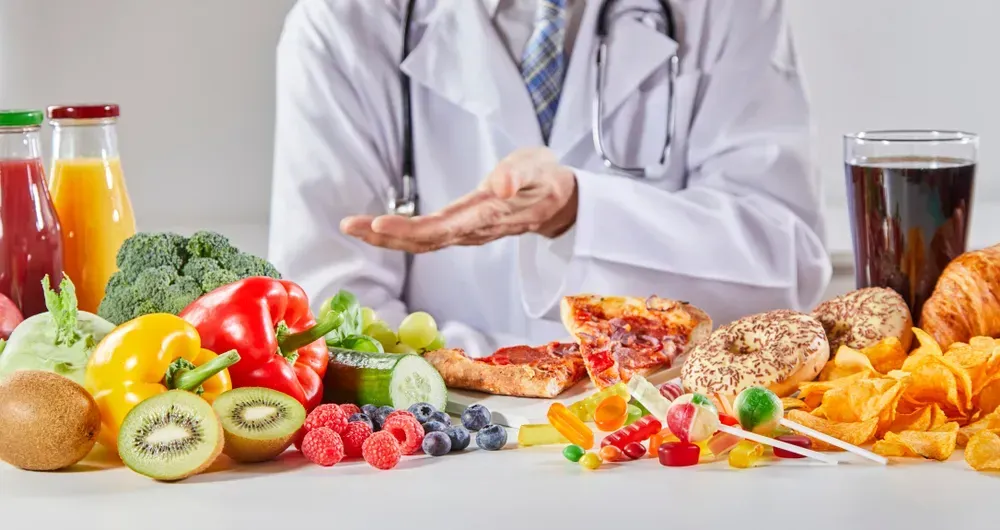


HealthTree reached another research milestone on March 27, 2026, when a new study was published in the Blood Cancer Journal focusing on the dietary habits of individuals living with plasma cell disorders (PCDs). This research is a major milestone because it was made possible by you, the patients and caregivers of the HealthTree Foundation.
By sharing your experiences through the HealthTree data portal, you have provided the foundation for the largest study to date examining how diet relates to conditions like MGUS, smoldering multiple myeloma, and multiple myeloma.
Enhancing your health through lifestyle and diet
As treatments improve and patients live longer, understanding how lifestyle and diet affect long-term health of people with plasma cell disorders is even more important. Previous studies have shown:
- Diets high in processed foods and added sugars are linked to a higher risk of multiple myeloma and related mortality.
- Plant-based diets rich in whole grains, fruits, and vegetables are associated with a reduced risk of the disease.
Despite these links, there has been very little data on what people with PCDs actually eat. This study was designed to identify how patients can receive better support through nutritional counseling.
What the study found
The study analyzed 443 participants who completed detailed food questionnaires through HealthTree. Researchers used the Healthy Eating Index (HEI). This is a score from 0 to 100 that measures how well a diet follows national guidelines.
Key findings include:
- Diet quality: HealthTree participants had higher diet quality scores (an average of 69) compared to the general U.S. population (average of 58).
- Fiber intake: This was the most consistent difference across groups. Lower fiber intake was more common among males, individuals with a higher Body Mass Index (BMI), and those with lower education levels.
- BMI and diet quality: Participants in the "obese" BMI category had lower overall diet quality scores (average of 65) compared to those in the "healthy" BMI category (average of 72).
- Treatment influence: Patients with multiple myeloma reported higher fruit and sugar intake than those with precursor conditions. Researchers believe this might be partly due to the use of steroids, which can change appetite and cravings for sweet foods.
The study also found that 57% of patients reported that nutrition was not addressed during their oncology visits.
Patient participation is accelerating a cure
This research proves that when patients come together to share their data, we can uncover new medical insights. Your participation not only contributes to the HealthTree community. It also has the power to help healthcare providers and improve patient care.
Because of your data, we can now advocate for:
- Consistent dietary counseling: Ensuring nutrition is a standard part of every hematology visit.
- Targeted interventions: Developing specific programs to help patients increase fiber and improve diet quality.
- Patient-centered research: Launching new clinical trials (like the NUTRIVENTION trials) to see how diet can directly change disease biomarkers and survival.
By contributing your health data, you are helping healthcare teams improve to create a more holistic, patient-centered approach to care. Together, we are accelerating the research necessary to eventually find a cure.
Become a cure contributor and create your free HealthTree account.
Keep reading How Nutrition, Movement, and Stress Management Can Support Your Myeloma Treatment
HealthTree reached another research milestone on March 27, 2026, when a new study was published in the Blood Cancer Journal focusing on the dietary habits of individuals living with plasma cell disorders (PCDs). This research is a major milestone because it was made possible by you, the patients and caregivers of the HealthTree Foundation.
By sharing your experiences through the HealthTree data portal, you have provided the foundation for the largest study to date examining how diet relates to conditions like MGUS, smoldering multiple myeloma, and multiple myeloma.
Enhancing your health through lifestyle and diet
As treatments improve and patients live longer, understanding how lifestyle and diet affect long-term health of people with plasma cell disorders is even more important. Previous studies have shown:
- Diets high in processed foods and added sugars are linked to a higher risk of multiple myeloma and related mortality.
- Plant-based diets rich in whole grains, fruits, and vegetables are associated with a reduced risk of the disease.
Despite these links, there has been very little data on what people with PCDs actually eat. This study was designed to identify how patients can receive better support through nutritional counseling.
What the study found
The study analyzed 443 participants who completed detailed food questionnaires through HealthTree. Researchers used the Healthy Eating Index (HEI). This is a score from 0 to 100 that measures how well a diet follows national guidelines.
Key findings include:
- Diet quality: HealthTree participants had higher diet quality scores (an average of 69) compared to the general U.S. population (average of 58).
- Fiber intake: This was the most consistent difference across groups. Lower fiber intake was more common among males, individuals with a higher Body Mass Index (BMI), and those with lower education levels.
- BMI and diet quality: Participants in the "obese" BMI category had lower overall diet quality scores (average of 65) compared to those in the "healthy" BMI category (average of 72).
- Treatment influence: Patients with multiple myeloma reported higher fruit and sugar intake than those with precursor conditions. Researchers believe this might be partly due to the use of steroids, which can change appetite and cravings for sweet foods.
The study also found that 57% of patients reported that nutrition was not addressed during their oncology visits.
Patient participation is accelerating a cure
This research proves that when patients come together to share their data, we can uncover new medical insights. Your participation not only contributes to the HealthTree community. It also has the power to help healthcare providers and improve patient care.
Because of your data, we can now advocate for:
- Consistent dietary counseling: Ensuring nutrition is a standard part of every hematology visit.
- Targeted interventions: Developing specific programs to help patients increase fiber and improve diet quality.
- Patient-centered research: Launching new clinical trials (like the NUTRIVENTION trials) to see how diet can directly change disease biomarkers and survival.
By contributing your health data, you are helping healthcare teams improve to create a more holistic, patient-centered approach to care. Together, we are accelerating the research necessary to eventually find a cure.
Become a cure contributor and create your free HealthTree account.
Keep reading How Nutrition, Movement, and Stress Management Can Support Your Myeloma Treatment

about the author
Jimena Vicencio
Jimena is an International Medical Graduate and a member of the HealthTree Writing team. Currently pursuing a bachelor's degree in journalism, she combines her medical background with a storyteller’s heart to make complex healthcare topics accessible to everyone. Driven by a deep belief that understanding health is a universal right, she is committed to translating scientific and medical knowledge into clear, compassionate language that empowers individuals to take control of their well-being.
More on HealthTree Research




Trending Articles





Get the Latest Multiple Myeloma Updates, Delivered to You.
By subscribing to the HealthTree newsletter, you'll receive the latest research, treatment updates, and expert insights to help you navigate your health.
Together we care.
Together we cure.