![[logo] HealthTree Foundation](https://static.healthtree.org/icons/icon_spinner.svg)
![[logo] HealthTree Foundation](https://static.healthtree.org/logo_icon_only.svg)
Facing a Critical Unmet Need: The Stark Reality for Quad-Class Exposed Myeloma
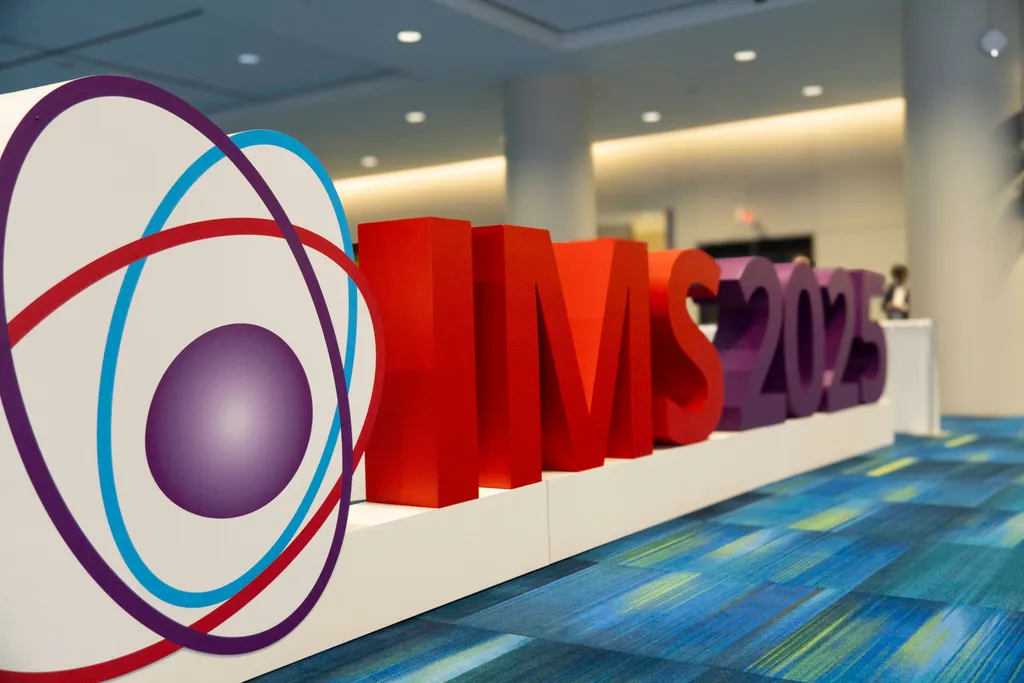


For patients whose multiple myeloma has been treated with the four main classes of therapy, the path forward is uncertain, and outcomes are poor. A critical real-world study presented by Dr. Doris Hansen at the IMS 2025 conference has now put a number on this challenge, establishing a crucial benchmark that highlights the urgent need for new treatments. The sobering data shows that for these "quad-class exposed" patients, the median overall survival is just 13 months, confirming that this is one of the most significant unmet needs in myeloma care today.
Who are quad-class exposed patients?
This study focused on a specific and heavily pre-treated group of patients whose disease had been exposed to four key types of therapy:
- Immunomodulatory drugs (IMiDs) like lenalidomide or pomalidomide.
- Proteasome inhibitors (PIs) like bortezomib or carfilzomib.
- CD38 monoclonal antibodies like daratumumab or isatuximab.
- BCMA-directed agents like CAR-T, bispecific antibodies, or antibody-drug conjugates.
The researchers used an electronic health record database to identify 130 patients who fit this profile. This was a group with advanced disease, having gone through a median of six prior lines of therapy. The majority (90%) were resistant to at least three classes of drugs, and over half were resistant to all four.
Real-world treatment and sobering outcomes
The study investigated what treatments these patients received after becoming quad-class exposed. The most common choices were traditional chemotherapy, "recycling" another BCMA-targeted agent, or trying a newer GPRC5D-targeting bispecific antibody like talquetamab.
Unfortunately, no matter the choice, the remissions were short-lived, and the survival outcomes were poor.
Event-Free Survival (EFS): The median time before the disease progressed or a new therapy was needed was just 4.5 months.
Overall Survival (OS): The median overall survival from the start of this next treatment was 13 months. After one year, only 56% of patients were still alive.
While immunotherapies like BCMA and GPRC5D agents offered a numerically better overall survival compared to traditional chemotherapy (13 months vs. 7 months), the brief remissions underscore the aggressive nature of the disease at this stage. A stark finding was the high rate of attrition, with nearly a third of patients unable to move on to the next line of therapy due to death or disease progression.
Establishing a benchmark for the future
This research was not meant to find a cure, but to set a standard. By clearly defining the poor outcomes for this patient population with real-world data, this study creates a vital benchmark. Any new therapy being developed for this group now has a clear measure of success: it must do better than a 4.5-month remission and a 13-month overall survival. This provides a clear and urgent target for the researchers and companies working on the next generation of myeloma treatments, such as cell mods and multi-targeted immunotherapies.
This crucial study paints a stark but necessary picture of the reality for quad-class-exposed myeloma patients. The outcomes are poor, and the need for innovation is immense. While the recycling of existing targets and the introduction of new ones like GPRC5D offer incremental benefits, this is not enough. This research serves as a clear call to action for the entire myeloma community to accelerate the development of novel therapies that can finally provide meaningful, durable hope for this vulnerable and heavily pre-treated patient population.
The latest myeloma research, delivered weekly.
HealthTree Foundation's weekly newsletter delivers myeloma news, breaking conference research, FDA approvals, side effect management, patient stories, and more directly to your email inbox.
For patients whose multiple myeloma has been treated with the four main classes of therapy, the path forward is uncertain, and outcomes are poor. A critical real-world study presented by Dr. Doris Hansen at the IMS 2025 conference has now put a number on this challenge, establishing a crucial benchmark that highlights the urgent need for new treatments. The sobering data shows that for these "quad-class exposed" patients, the median overall survival is just 13 months, confirming that this is one of the most significant unmet needs in myeloma care today.
Who are quad-class exposed patients?
This study focused on a specific and heavily pre-treated group of patients whose disease had been exposed to four key types of therapy:
- Immunomodulatory drugs (IMiDs) like lenalidomide or pomalidomide.
- Proteasome inhibitors (PIs) like bortezomib or carfilzomib.
- CD38 monoclonal antibodies like daratumumab or isatuximab.
- BCMA-directed agents like CAR-T, bispecific antibodies, or antibody-drug conjugates.
The researchers used an electronic health record database to identify 130 patients who fit this profile. This was a group with advanced disease, having gone through a median of six prior lines of therapy. The majority (90%) were resistant to at least three classes of drugs, and over half were resistant to all four.
Real-world treatment and sobering outcomes
The study investigated what treatments these patients received after becoming quad-class exposed. The most common choices were traditional chemotherapy, "recycling" another BCMA-targeted agent, or trying a newer GPRC5D-targeting bispecific antibody like talquetamab.
Unfortunately, no matter the choice, the remissions were short-lived, and the survival outcomes were poor.
Event-Free Survival (EFS): The median time before the disease progressed or a new therapy was needed was just 4.5 months.
Overall Survival (OS): The median overall survival from the start of this next treatment was 13 months. After one year, only 56% of patients were still alive.
While immunotherapies like BCMA and GPRC5D agents offered a numerically better overall survival compared to traditional chemotherapy (13 months vs. 7 months), the brief remissions underscore the aggressive nature of the disease at this stage. A stark finding was the high rate of attrition, with nearly a third of patients unable to move on to the next line of therapy due to death or disease progression.
Establishing a benchmark for the future
This research was not meant to find a cure, but to set a standard. By clearly defining the poor outcomes for this patient population with real-world data, this study creates a vital benchmark. Any new therapy being developed for this group now has a clear measure of success: it must do better than a 4.5-month remission and a 13-month overall survival. This provides a clear and urgent target for the researchers and companies working on the next generation of myeloma treatments, such as cell mods and multi-targeted immunotherapies.
This crucial study paints a stark but necessary picture of the reality for quad-class-exposed myeloma patients. The outcomes are poor, and the need for innovation is immense. While the recycling of existing targets and the introduction of new ones like GPRC5D offer incremental benefits, this is not enough. This research serves as a clear call to action for the entire myeloma community to accelerate the development of novel therapies that can finally provide meaningful, durable hope for this vulnerable and heavily pre-treated patient population.
The latest myeloma research, delivered weekly.
HealthTree Foundation's weekly newsletter delivers myeloma news, breaking conference research, FDA approvals, side effect management, patient stories, and more directly to your email inbox.
about the author
Paola Anchondo
Paola is an international medical graduate who currently serves as a Clinical Data Lead at HealthTree Foundation. Her primary focus is on advancing research and improving patient outcomes. As a caregiver for her father, who has been diagnosed with multiple myeloma, she is committed to helping individuals navigate the complexities of their diagnoses with clarity and empathy.




Get the Latest Multiple Myeloma Updates, Delivered to You.
By subscribing to the HealthTree newsletter, you'll receive the latest research, treatment updates, and expert insights to help you navigate your health.
Together we care.
Together we cure.