![[logo] HealthTree Foundation](https://static.healthtree.org/icons/icon_spinner.svg)
![[logo] HealthTree Foundation](https://static.healthtree.org/logo_icon_only.svg)
Pilates for Strength and Mobility: What People With Cancer Need to Know
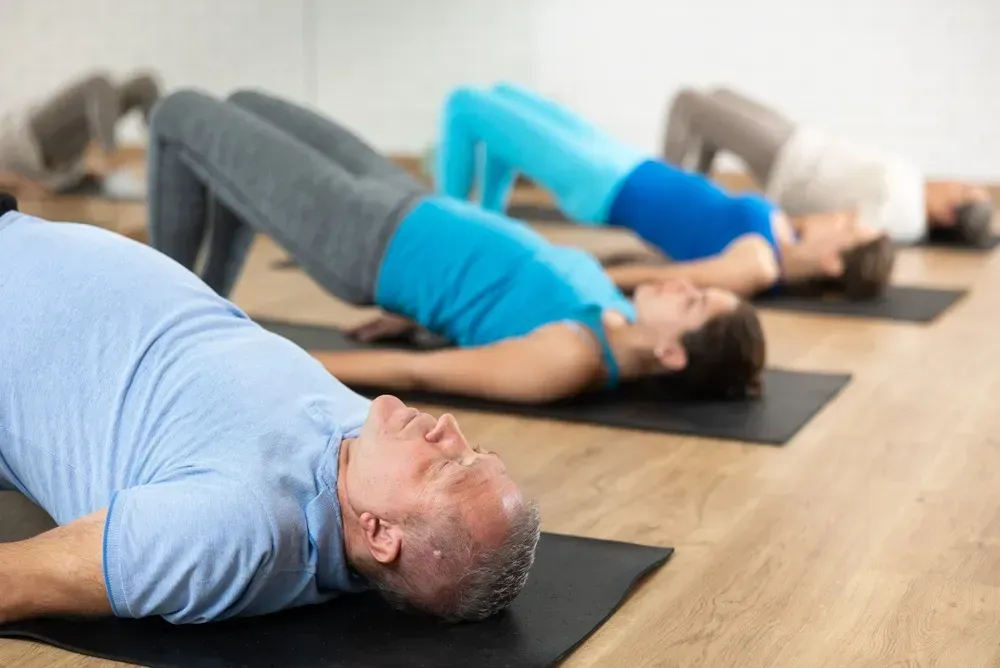


Pilates is a popular way to stay active. For people with cancer or others who have had intensive health treatments, Pilates is a helpful exercise that is accessible. You don’t need fancy equipment, a private teacher, or a gym. You can practice Pilates right at home with no special gear.
In this article, you will learn how the Pilates method supports people living with a cancer diagnosis. You will discover what makes this mind-body practice unique and how it can improve your daily comfort. We also look at research showing how Pilates helps manage symptoms like pain and limited movement. Finally, we provide a safe guide to starting your own Pilates practice and share a Pilates class for cancer patients.
What is Pilates, and what makes it different from other exercises?
While Pilates has been a recent exercise trend from 2024 through 2026, it has a long and steady history. It was started in the late 1920s by a man named Joseph Pilates.
He originally called his method “contrology.” This is because it was all about learning how to control your muscles with your mind. For a long time, it was a tool used mostly by professional dancers to help their bodies recover from injuries.
It wasn't until the late 1900s that the medical community fully acknowledged how much Pilates could help patients and people with reduced mobility.
Pilates is a mind-body exercise. It focuses on core strength, which is strengthening the muscles around the belly and back that support the torso. Pilates also focuses on keeping your body in a healthy, natural alignment. Unlike fast or heavy workouts, Pilates is about moving with precision and focus.
There are two main ways to do Pilates:
Mat Pilates. In this version of Pilates, you stretch and exercise using your own body weight on a floor mat.
Apparatus Pilates. Also called Reformer Pilates, this type uses a special machine with springs for extra support or a little more challenge. Because it is based on concentration and flow, every session can be changed to match exactly how much energy you have that day.
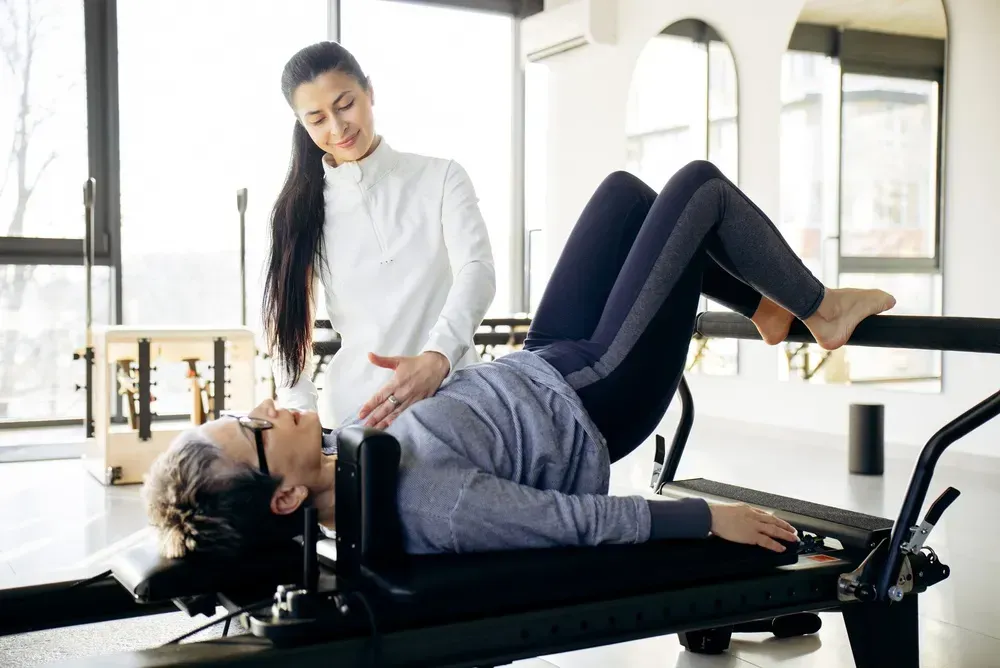
How Pilates helps your body during recovery
When you are going through cancer treatment, staying active can help you maintain a good physical strength and ability. Pilates is especially helpful because it helps with the changes to your muscles and bones that can be caused by surgery, radiation, or chemotherapy.
By focusing on "core stability" (the strength in the center of your body), Pilates helps fix small movement problems and makes it easier to move around during your normal day.
Pilates helps your body in several ways:
- Immune system support: Regular exercise like Pilates can help your body's natural defense system work better.
- Managing symptoms: Often, symptoms like tiredness, pain, and trouble moving happen all at once. Pilates uses rhythmic breathing and careful body alignment, which can help manage these symptoms as a group rather than one by one.
- Better movement for daily life: By improving your joint mobility, Pilates can ease daily tasks such as carrying grocery bags or walking down the stairs.
- Mind-body connection: Because it requires focus, Pilates helps you feel more in tune with your body, which can reduce the stress that comes with a diagnosis.
What is the evidence for Pilates as a complement to cancer care?
Scientists have been looking closely at how Pilates helps people through clinical research. A 2025 review of many different studies found that Pilates is just as helpful as other types of exercise for improving overall well-being. This research gives us a clearer picture of how these movements affect the body:
- Better Movement for breast cancer patients: The study found that women with active breast cancer or survivors saw big improvements in their shoulders. This makes it easier to reach for things on a high shelf or get dressed.
- Specific help for men: For men with prostate cancer, combining Pilates with pelvic floor exercises significantly helped with bladder control and improved their quality of life.
- Increased strength and stamina: People who practiced Pilates became stronger in their upper and lower bodies. They also improved their "aerobic capacity," which means they didn't get out of breath as easily during a six-minute walking test.
- Less pain and disability: Many patients reported that their pain levels went down. They also felt less "disabled," meaning they could do more of their normal activities with less trouble.
- Better rest and mood: While the numbers weren't as "statistically certain" as the physical changes, many people in the studies felt less stressed and slept better after doing Pilates. Read how to sleep better.
Starting your Pilates practice safely
If you are thinking about starting Pilates, the most important step is to ensure your plan is built just for you. Experts recommend starting at a low intensity, roughly using half of your total effort, and slowly adding more difficulty as your energy returns. A helpful routine usually includes two to three sessions per week, with each one lasting between 30 and 45 minutes.
To stay safe and comfortable, keep these tips in mind:
- Work with an expert: It is essential to work with a specialized professional who can adapt the movements to your specific stage of recovery. Some pilates exercises can be adapted depending on your specific needs or focus on healing lesions.
- Listen to your body: Move at your own pace and stop immediately if you feel any new or sharp pain.
- Rest is key: Always include rest breaks based on how your body feels that day.
- Use extra support: Pillows, yoga blocks, or even a sturdy chair can help support your body during different poses.
Simple pilates exercises to try at home
You don't need fancy machines to get started. Here are a few gentle movements often used to help build strength and flexibility:
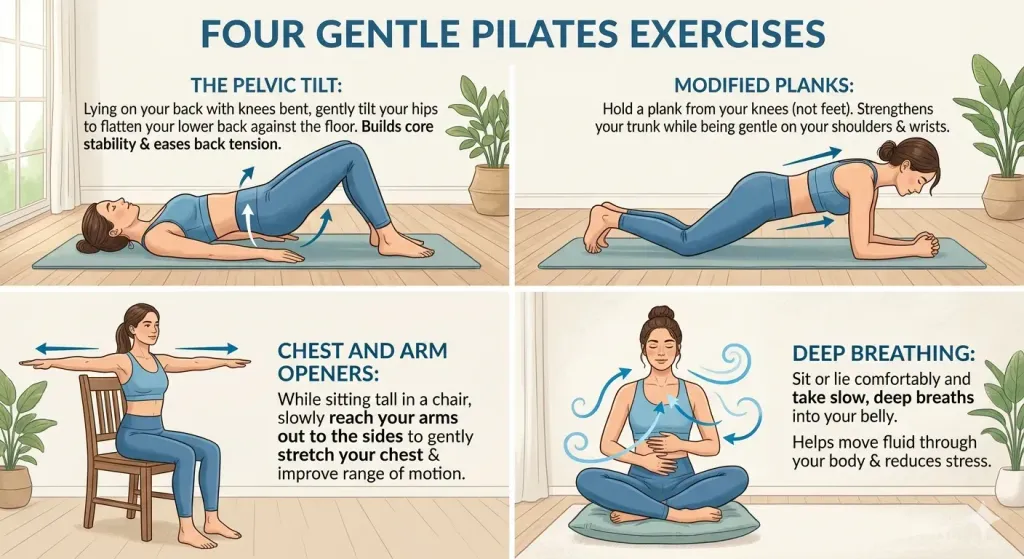
Pelvic tilt
Lying on your back with knees bent, gently tilt your hips to flatten your lower back against the floor. This builds core stability and eases back tension.
Modified planks
Instead of a full push-up position, try holding a plank from your knees. This strengthens your trunk while being gentle on your shoulders and wrists.
Chest and arm openers
While sitting tall in a chair, slowly reach your arms out to the sides to gently stretch your chest and improve your range of motion.
Deep breathing
Sit or lie comfortably and take slow, deep breaths into your belly. This simple act helps move fluid through your body and reduces stress.
Watch a free Pilates class tailored for the HealthTree community by clicking the button below.
Pilates can be your complement to regain strength and improve mobility
Pilates offers a gentle way to support your physical and emotional health following a cancer diagnosis. The evidence suggests it is a powerful complementary tool that can help you regain strength, improve your mobility, and enhance your overall quality of life. By focusing on the connection between your breath and your movement, you can take an active role in your recovery and find a sustainable path toward feeling more like yourself again.
Create your free HealthTree account and keep learning more about your health!
Sources:
Pilates is a popular way to stay active. For people with cancer or others who have had intensive health treatments, Pilates is a helpful exercise that is accessible. You don’t need fancy equipment, a private teacher, or a gym. You can practice Pilates right at home with no special gear.
In this article, you will learn how the Pilates method supports people living with a cancer diagnosis. You will discover what makes this mind-body practice unique and how it can improve your daily comfort. We also look at research showing how Pilates helps manage symptoms like pain and limited movement. Finally, we provide a safe guide to starting your own Pilates practice and share a Pilates class for cancer patients.
What is Pilates, and what makes it different from other exercises?
While Pilates has been a recent exercise trend from 2024 through 2026, it has a long and steady history. It was started in the late 1920s by a man named Joseph Pilates.
He originally called his method “contrology.” This is because it was all about learning how to control your muscles with your mind. For a long time, it was a tool used mostly by professional dancers to help their bodies recover from injuries.
It wasn't until the late 1900s that the medical community fully acknowledged how much Pilates could help patients and people with reduced mobility.
Pilates is a mind-body exercise. It focuses on core strength, which is strengthening the muscles around the belly and back that support the torso. Pilates also focuses on keeping your body in a healthy, natural alignment. Unlike fast or heavy workouts, Pilates is about moving with precision and focus.
There are two main ways to do Pilates:
Mat Pilates. In this version of Pilates, you stretch and exercise using your own body weight on a floor mat.
Apparatus Pilates. Also called Reformer Pilates, this type uses a special machine with springs for extra support or a little more challenge. Because it is based on concentration and flow, every session can be changed to match exactly how much energy you have that day.
How Pilates helps your body during recovery
When you are going through cancer treatment, staying active can help you maintain a good physical strength and ability. Pilates is especially helpful because it helps with the changes to your muscles and bones that can be caused by surgery, radiation, or chemotherapy.
By focusing on "core stability" (the strength in the center of your body), Pilates helps fix small movement problems and makes it easier to move around during your normal day.
Pilates helps your body in several ways:
- Immune system support: Regular exercise like Pilates can help your body's natural defense system work better.
- Managing symptoms: Often, symptoms like tiredness, pain, and trouble moving happen all at once. Pilates uses rhythmic breathing and careful body alignment, which can help manage these symptoms as a group rather than one by one.
- Better movement for daily life: By improving your joint mobility, Pilates can ease daily tasks such as carrying grocery bags or walking down the stairs.
- Mind-body connection: Because it requires focus, Pilates helps you feel more in tune with your body, which can reduce the stress that comes with a diagnosis.
What is the evidence for Pilates as a complement to cancer care?
Scientists have been looking closely at how Pilates helps people through clinical research. A 2025 review of many different studies found that Pilates is just as helpful as other types of exercise for improving overall well-being. This research gives us a clearer picture of how these movements affect the body:
- Better Movement for breast cancer patients: The study found that women with active breast cancer or survivors saw big improvements in their shoulders. This makes it easier to reach for things on a high shelf or get dressed.
- Specific help for men: For men with prostate cancer, combining Pilates with pelvic floor exercises significantly helped with bladder control and improved their quality of life.
- Increased strength and stamina: People who practiced Pilates became stronger in their upper and lower bodies. They also improved their "aerobic capacity," which means they didn't get out of breath as easily during a six-minute walking test.
- Less pain and disability: Many patients reported that their pain levels went down. They also felt less "disabled," meaning they could do more of their normal activities with less trouble.
- Better rest and mood: While the numbers weren't as "statistically certain" as the physical changes, many people in the studies felt less stressed and slept better after doing Pilates. Read how to sleep better.
Starting your Pilates practice safely
If you are thinking about starting Pilates, the most important step is to ensure your plan is built just for you. Experts recommend starting at a low intensity, roughly using half of your total effort, and slowly adding more difficulty as your energy returns. A helpful routine usually includes two to three sessions per week, with each one lasting between 30 and 45 minutes.
To stay safe and comfortable, keep these tips in mind:
- Work with an expert: It is essential to work with a specialized professional who can adapt the movements to your specific stage of recovery. Some pilates exercises can be adapted depending on your specific needs or focus on healing lesions.
- Listen to your body: Move at your own pace and stop immediately if you feel any new or sharp pain.
- Rest is key: Always include rest breaks based on how your body feels that day.
- Use extra support: Pillows, yoga blocks, or even a sturdy chair can help support your body during different poses.
Simple pilates exercises to try at home
You don't need fancy machines to get started. Here are a few gentle movements often used to help build strength and flexibility:
Pelvic tilt
Lying on your back with knees bent, gently tilt your hips to flatten your lower back against the floor. This builds core stability and eases back tension.
Modified planks
Instead of a full push-up position, try holding a plank from your knees. This strengthens your trunk while being gentle on your shoulders and wrists.
Chest and arm openers
While sitting tall in a chair, slowly reach your arms out to the sides to gently stretch your chest and improve your range of motion.
Deep breathing
Sit or lie comfortably and take slow, deep breaths into your belly. This simple act helps move fluid through your body and reduces stress.
Watch a free Pilates class tailored for the HealthTree community by clicking the button below.
Pilates can be your complement to regain strength and improve mobility
Pilates offers a gentle way to support your physical and emotional health following a cancer diagnosis. The evidence suggests it is a powerful complementary tool that can help you regain strength, improve your mobility, and enhance your overall quality of life. By focusing on the connection between your breath and your movement, you can take an active role in your recovery and find a sustainable path toward feeling more like yourself again.
Create your free HealthTree account and keep learning more about your health!
Sources:

about the author
Jimena Vicencio
Jimena is an International Medical Graduate and a member of the HealthTree Writing team. Currently pursuing a bachelor's degree in journalism, she combines her medical background with a storyteller’s heart to make complex healthcare topics accessible to everyone. Driven by a deep belief that understanding health is a universal right, she is committed to translating scientific and medical knowledge into clear, compassionate language that empowers individuals to take control of their well-being.
More on Navigating Your Health





Trending Articles









Get the Latest Multiple Myeloma Updates, Delivered to You.
By subscribing to the HealthTree newsletter, you'll receive the latest research, treatment updates, and expert insights to help you navigate your health.
Together we care.
Together we cure.