![[logo] HealthTree Foundation](https://static.healthtree.org/icons/icon_spinner.svg)
![[logo] HealthTree Foundation](https://static.healthtree.org/logo_icon_only.svg)
Beyond Single Targets: The Multispecific Future of Myeloma Immunotherapy


A central challenge for the next era of immunotherapy is to move beyond single-target treatments and develop multi-pronged attacks that cancer cannot easily evade. At the International Myeloma Society 2025 conference, Dr. Niels van de Donk outlined a future where combining, sequencing, and re-engineering T-cell therapies will be key to overcoming resistance and making these powerful treatments effective for all patients, not just a subset. The ultimate goal is to integrate these smarter, safer immunotherapies into the earliest lines of treatment to achieve deeper, more durable remissions.
Addressing the Achilles' heel: Why T-cell therapies can fail
Despite their success, a significant number of patients either don't respond to bispecific antibodies and CAR-T cells or eventually relapse. This happens for several reasons: the patient's T-cells may be "unfit" after years of chemotherapy, the tumor burden may be too high, or the cancer cells learn to hide by getting rid of the target antigen—a process called antigen escape. To fight back, researchers are combining these therapies with drugs like IMiDs and CELMoDs to boost T-cell health and are moving these treatments to earlier settings where patients' immune systems are stronger.
The future is multispecific: Targeting cancer from all sides
The most exciting strategy to prevent antigen escape is to target multiple cancer antigens at once. This ensures that even if a tumor cell learns to hide one target, it can still be seen and killed through another.
Trispecific Antibodies: Dr. van de Donk highlighted a groundbreaking trispecific antibody, J&J 5322, that targets both BCMA and GPRC5D on myeloma cells while also engaging T-cells. Early results are stunning, with a 100% response rate in one study—superior to any single-target therapy. The field is already pushing further, with trials combining this trispecific with another antibody to target three antigens (BCMA, GPRC5D, and CD38) simultaneously.
Smarter CAR-T Cells: Similar strategies are being used for CAR-T therapy. New designs are emerging that can recognize two antigens at once or can be engineered to secrete a bispecific antibody directly into the tumor, creating a powerful, localized one-two punch that could be more effective and less toxic.
Moving upfront: Integrating immunotherapy into first-line treatment
A critical shift in the field is moving these powerful immunotherapies from a last resort to a first-line option for newly diagnosed patients. When used upfront, patients have healthier T-cells, leading to better and longer-lasting responses. The strategy is not to replace standard induction therapy but to integrate immunotherapy with it. For example, a patient might receive an effective induction regimen to achieve a deep remission, and then receive a bispecific antibody or CAR-T cell infusion instead of a traditional stem cell transplant to deepen that remission even further and potentially eradicate the disease.
Overcoming the final hurdles: Safety, cost, and access
As these therapies are used in earlier, healthier patient populations, the tolerance for severe side effects decreases. The focus is on making treatments safer through fixed-duration therapy and less frequent dosing for bispecifics to reduce infection risk, and better bridging strategies to prevent neurotoxicity with CAR-T. Finally, overcoming the enormous cost and manufacturing bottlenecks of CAR-T therapy is essential. The future may lie in developing more accessible options like academic-produced CAR-Ts, rapid manufacturing processes, and "off-the-shelf" allogeneic CAR-T products.
The future of myeloma treatment is being reshaped by a multifaceted and intelligent evolution of T-cell immunotherapy. By creating therapies that can attack cancer from multiple angles, integrating them into earlier treatment plans, and relentlessly innovating to improve safety and accessibility, the field is moving closer to providing durable, long-term control of multiple myeloma for a much broader group of patients.
The latest myeloma research, delivered weekly.
HealthTree Foundation's weekly newsletter delivers myeloma news, breaking conference research, FDA approvals, side effect management, patient stories, and more right to your inbox.
A central challenge for the next era of immunotherapy is to move beyond single-target treatments and develop multi-pronged attacks that cancer cannot easily evade. At the International Myeloma Society 2025 conference, Dr. Niels van de Donk outlined a future where combining, sequencing, and re-engineering T-cell therapies will be key to overcoming resistance and making these powerful treatments effective for all patients, not just a subset. The ultimate goal is to integrate these smarter, safer immunotherapies into the earliest lines of treatment to achieve deeper, more durable remissions.
Addressing the Achilles' heel: Why T-cell therapies can fail
Despite their success, a significant number of patients either don't respond to bispecific antibodies and CAR-T cells or eventually relapse. This happens for several reasons: the patient's T-cells may be "unfit" after years of chemotherapy, the tumor burden may be too high, or the cancer cells learn to hide by getting rid of the target antigen—a process called antigen escape. To fight back, researchers are combining these therapies with drugs like IMiDs and CELMoDs to boost T-cell health and are moving these treatments to earlier settings where patients' immune systems are stronger.
The future is multispecific: Targeting cancer from all sides
The most exciting strategy to prevent antigen escape is to target multiple cancer antigens at once. This ensures that even if a tumor cell learns to hide one target, it can still be seen and killed through another.
Trispecific Antibodies: Dr. van de Donk highlighted a groundbreaking trispecific antibody, J&J 5322, that targets both BCMA and GPRC5D on myeloma cells while also engaging T-cells. Early results are stunning, with a 100% response rate in one study—superior to any single-target therapy. The field is already pushing further, with trials combining this trispecific with another antibody to target three antigens (BCMA, GPRC5D, and CD38) simultaneously.
Smarter CAR-T Cells: Similar strategies are being used for CAR-T therapy. New designs are emerging that can recognize two antigens at once or can be engineered to secrete a bispecific antibody directly into the tumor, creating a powerful, localized one-two punch that could be more effective and less toxic.
Moving upfront: Integrating immunotherapy into first-line treatment
A critical shift in the field is moving these powerful immunotherapies from a last resort to a first-line option for newly diagnosed patients. When used upfront, patients have healthier T-cells, leading to better and longer-lasting responses. The strategy is not to replace standard induction therapy but to integrate immunotherapy with it. For example, a patient might receive an effective induction regimen to achieve a deep remission, and then receive a bispecific antibody or CAR-T cell infusion instead of a traditional stem cell transplant to deepen that remission even further and potentially eradicate the disease.
Overcoming the final hurdles: Safety, cost, and access
As these therapies are used in earlier, healthier patient populations, the tolerance for severe side effects decreases. The focus is on making treatments safer through fixed-duration therapy and less frequent dosing for bispecifics to reduce infection risk, and better bridging strategies to prevent neurotoxicity with CAR-T. Finally, overcoming the enormous cost and manufacturing bottlenecks of CAR-T therapy is essential. The future may lie in developing more accessible options like academic-produced CAR-Ts, rapid manufacturing processes, and "off-the-shelf" allogeneic CAR-T products.
The future of myeloma treatment is being reshaped by a multifaceted and intelligent evolution of T-cell immunotherapy. By creating therapies that can attack cancer from multiple angles, integrating them into earlier treatment plans, and relentlessly innovating to improve safety and accessibility, the field is moving closer to providing durable, long-term control of multiple myeloma for a much broader group of patients.
The latest myeloma research, delivered weekly.
HealthTree Foundation's weekly newsletter delivers myeloma news, breaking conference research, FDA approvals, side effect management, patient stories, and more right to your inbox.
about the author
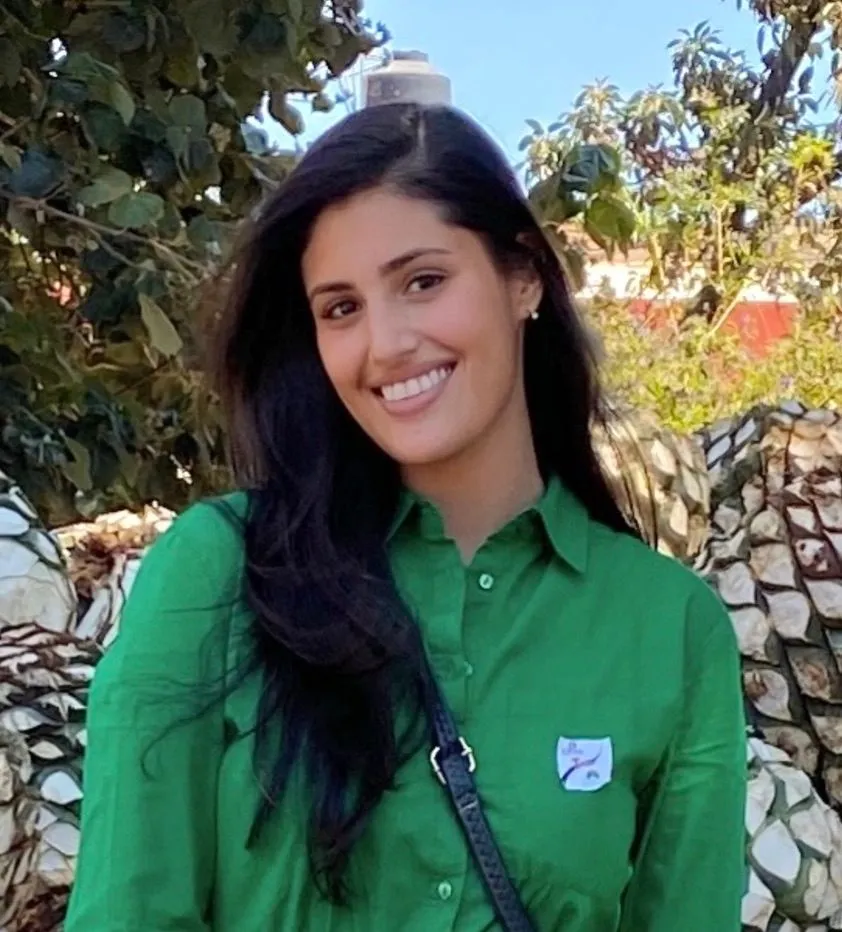
Paola Anchondo
Paola is an international medical graduate who currently serves as a Clinical Data Lead at HealthTree Foundation. Her primary focus is on advancing research and improving patient outcomes. As a caregiver for her father, who has been diagnosed with multiple myeloma, she is committed to helping individuals navigate the complexities of their diagnoses with clarity and empathy.





Get the Latest Multiple Myeloma Updates, Delivered to You.
By subscribing to the HealthTree newsletter, you'll receive the latest research, treatment updates, and expert insights to help you navigate your health.
Together we care.
Together we cure.