![[logo] HealthTree Foundation](https://static.healthtree.org/icons/icon_spinner.svg)
![[logo] HealthTree Foundation](https://static.healthtree.org/logo_icon_only.svg)
MDS Risk in the Genetic Era: A Deep Dive with Dr. Rafael Bejar
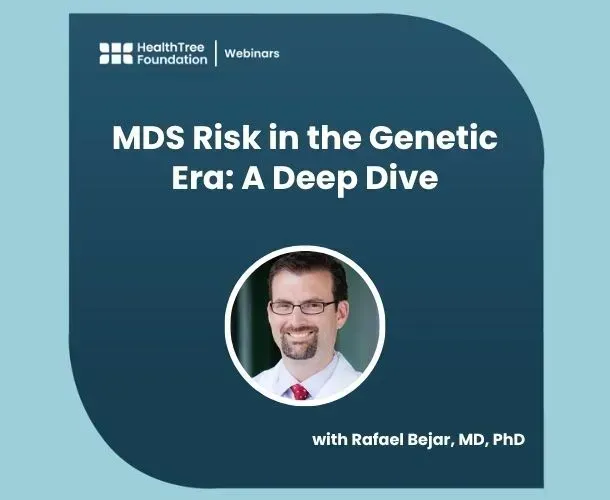
MDS Risk in the Genetic Era: A Deep Dive with Dr. Rafael Bejar


We send a recording to all registered participants of the event!
Event Description
Join the HealthTree Foundation for this webinar centered around how MDS risk is stratified. Joining us for this event is Dr. Rafael Bejar, a leading expert in MDS treatment and research and a key figure in the current understanding of MDS at the genetic level.
Schedule & Agenda
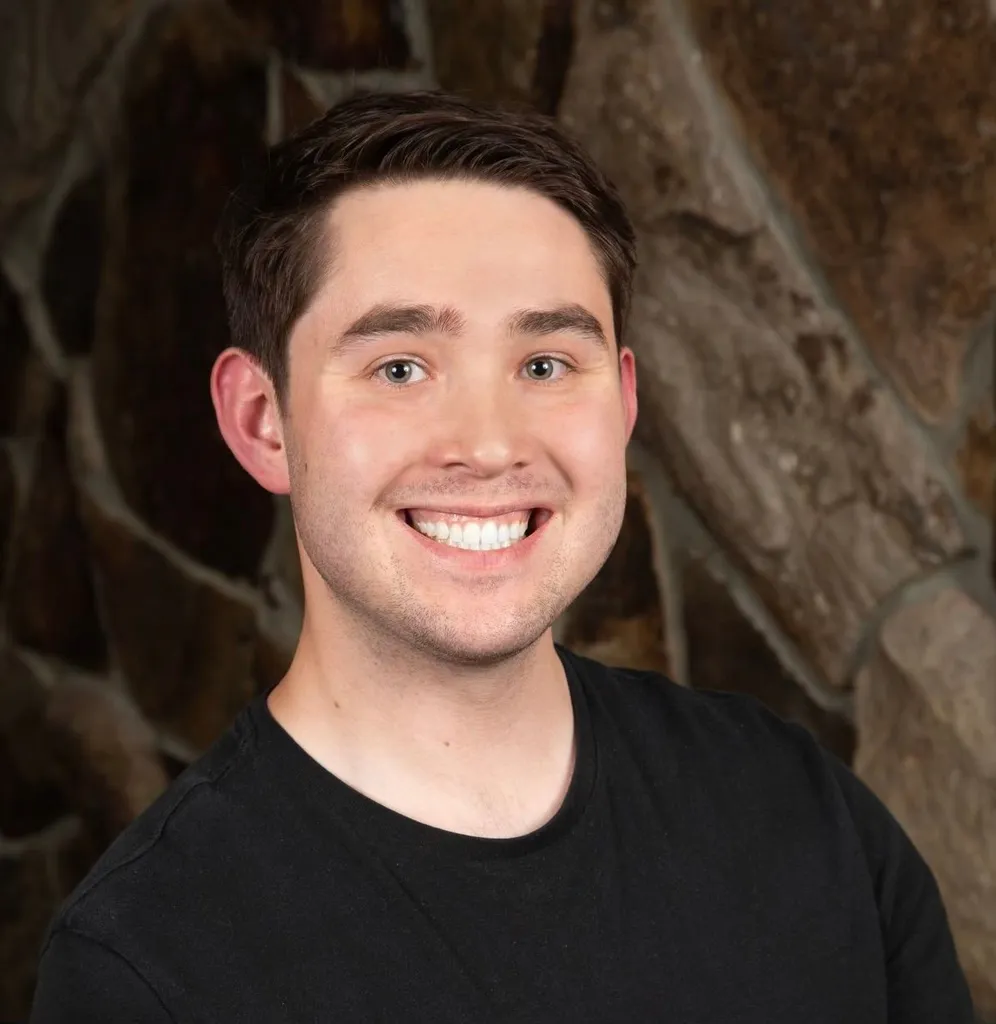
Dalton introduces the agenda for the event and our featured speaker Rafael Bejar, MD, PhD
Dalton introduces the agenda for the event and our featured speaker Rafael Bejar, MD, PhD

Come with your questions and experiences to share with the group!
Come with your questions and experiences to share with the group!
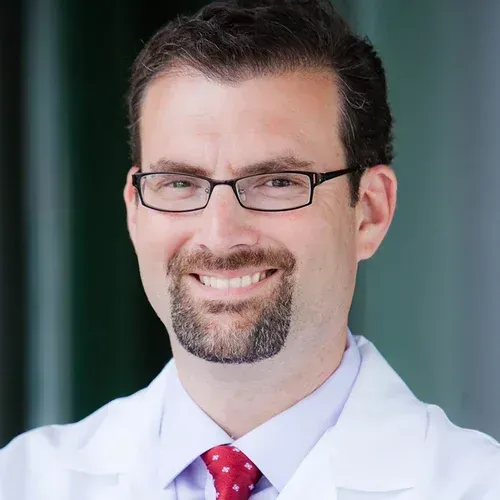
Dr. Bejar talks about genetics in MDS
Dr. Bejar talks about genetics in MDS
Speakers & Moderators
Dalton joined HealthTree in 2024 as the MPNs and MDS Program Manager. He is passionate about helping patients gain a better understanding of their health and treatment and sees it as a way to help empower individuals and their families who are affected by these diseases. Prior to joining HealthTree Dalton earned a Master’s Degree in Oncological Sciences while studying various different blood cancers. When not interacting with patients he is an avid snowboarder and hiker.
Dr. Rafael Bejar, MD, PhD, is board certified in internal medicine, medical oncology, and hematology, with a special interest in hematologic malignancies (blood cancers). He specializes in the care of patients with myelodysplastic syndromes (MDS) and related blood disorders. Dr. Bejar has established a MDS Center of Excellence at UC San Diego Health focused on providing the best diagnostic tools, supportive care, clinical trials, and medical expertise in one center. Dr. Bejar is a physician-scientist who, in addition to caring for patients, runs a research laboratory dedicated to the study of MDS. His focus is to discover disease features that can be used to personalize the care of patients with MDS. He has published key papers in the New England Journal and the Journal of Clinical Oncology examining the genetic changes that drive the development of MDS. His efforts have led to the development of clinic tests for mutations that help predict prognosis and individualize treatment options for patients. Current research involves investigating how acquired mutations in MDS patients are associated with their response to treatment with drugs like azacitidine and decitabine, in hopes to discover genes that physicians can test for mutations in order to select the best treatment options. These studies should also provide insight into the mechanisms of drug resistance and how to overcome them.

Join the Conversation
This event is part of the Newly Diagnosed group in HealthTree Connect, a social media platform for people with blood cancer. If you want to connect with other patients and caregivers and talk about this topic, join HealthTree Connect.
Have Any Questions?
Thank you for your interest in the event. If you have any questions, we would love to help!
Feel free to give us a call or send us a message below.

Get In Touch With Us
1-800-709-1113
Support@healthtree.org

Get the Latest Multiple Myeloma Updates, Delivered to You.
By subscribing to the HealthTree newsletter, you'll receive the latest research, treatment updates, and expert insights to help you navigate your health.
Together we care.
Together we cure.