![[logo] HealthTree Foundation](https://static.healthtree.org/icons/icon_spinner.svg)
![[logo] HealthTree Foundation](https://static.healthtree.org/logo_icon_only.svg)
A New Approach to CAR-T Therapy: Creating Cancer-Fighting Cells Directly Inside the Body
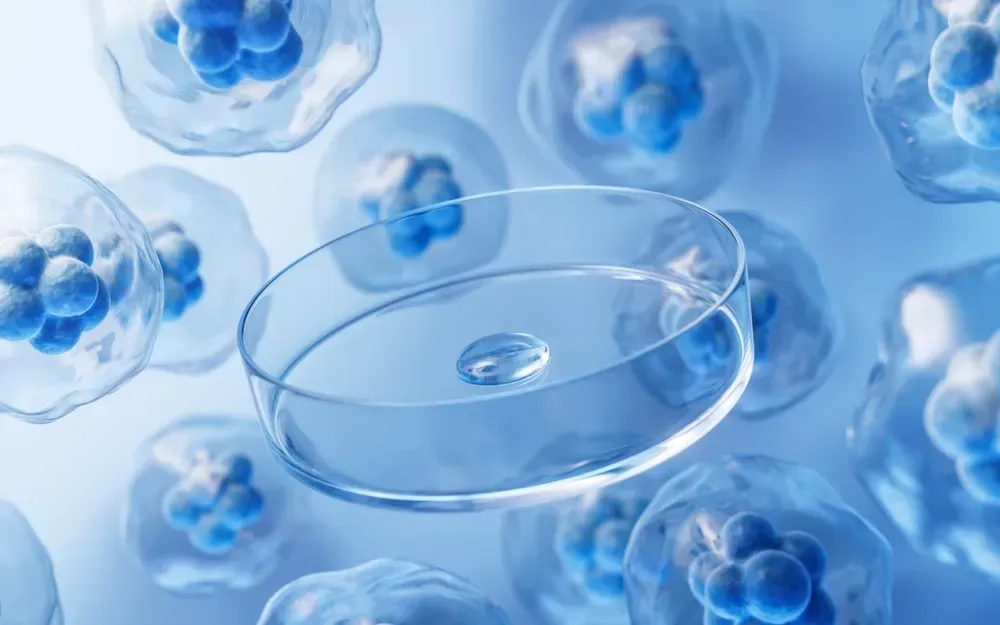


CAR T-cell therapy has changed the outlook for many people with blood cancers. But currently, CAR T cells need to be removed from the body and engineered in a lab. This process can be complex, expensive, and physically demanding. New research presented at the American Society of Hematology (ASH) Annual Meeting explores a different approach: creating CAR T cells directly inside the body.
This early research introduces a therapy called GT801. It is designed to generate anti-CD19 CAR T cells “in vivo,” meaning inside the patient’s body rather than in a laboratory.
What is CAR T-cell therapy?
Chimeric antigen receptor (CAR) T-cell therapy is a treatment that reprograms your own T cells) to recognize and attack cancer. Current CAR-T therapy is usually “autologous.” This means your T cells are collected, genetically modified in a lab, and then infused back into you.
What does “in vivo” CAR T therapy mean?
“In vivo” means “inside the body.” Instead of removing and modifying T cells in a lab, in vivo CAR T therapy aims to deliver genetic instructions directly to your T cells while they are still in your bloodstream. The goal is to make CAR-T therapy more scalable and accessible for more patients.
What is GT801, and how does it work?
GT801 is a new experimental anti-CD19 in vivo CAR-T therapy. It uses tiny fat-based particles to deliver messenger RNA (mRNA) into T cells. Messenger RNA tells cells how to make a specific protein, in this case, a CAR that targets CD19.
The system uses a proprietary technology called CLAMP (Controllable Ligand Attachment Modification and Purification) to attach antibodies to the particle’s surface. This helps guide the treatment directly to T cells, improving precision and reducing off-target effects.
How long does CAR expression last?
Because mRNA does not permanently change DNA, the CAR expression is temporary. For example, in laboratory testing, CAR expression lasts more than 14 days. This may allow for repeat dosing if needed and could offer a different safety profile compared to permanently modified cells.
In mouse models, a single intravenous (IV) dose as low as 0.01 mg/kg led to more than 95% depletion of B cells. Researchers also observed:
- 30 times more expansion of in vivo CAR T cells
- Strong anti-tumor activity
- Effective responses after single or multiple doses
The importance of expanding options and CAR T for B-cell malignancies
B-cell malignancies include cancers such as certain types of leukemia and lymphoma that express CD19. While traditional CAR T therapy has been life-changing for many, not all patients can access it, and some experience serious side effects. Having alternative treatments could help.
An in vivo approach like GT801 could potentially:
- Eliminate the need for complex cell manufacturing
- Shorten the time between diagnosis and treatment
- Reduce the need for intensive pre-treatment chemotherapy
- Allow redosing if the cancer returns
A clinical batch is currently in production, and a first-in-human investigator-initiated trial in B-cell malignancies is anticipated to begin in late 2025. If you’re interested in this trial, you can explore clinical trials like this and use a personalized filter to suit your needs with the HealthTree Clinical Trial Finder.
More research is needed to determine if people will benefit from this therapy
It’s important to remember that this research is still in the preclinical stage. This means it has not yet been tested in people. While the results are promising, more research needs to ensure safety, effectiveness, and long-term outcomes in real people with B-cell malignancies.
Still, innovations like in vivo CAR-T therapy reflect how quickly the field of blood cancer treatment is evolving. Researchers are working to make therapies more practical, safer, and more accessible.
Keep reading more updates on conferences, treatment advances and become a part of our community with HealthTree news.
CAR T-cell therapy has changed the outlook for many people with blood cancers. But currently, CAR T cells need to be removed from the body and engineered in a lab. This process can be complex, expensive, and physically demanding. New research presented at the American Society of Hematology (ASH) Annual Meeting explores a different approach: creating CAR T cells directly inside the body.
This early research introduces a therapy called GT801. It is designed to generate anti-CD19 CAR T cells “in vivo,” meaning inside the patient’s body rather than in a laboratory.
What is CAR T-cell therapy?
Chimeric antigen receptor (CAR) T-cell therapy is a treatment that reprograms your own T cells) to recognize and attack cancer. Current CAR-T therapy is usually “autologous.” This means your T cells are collected, genetically modified in a lab, and then infused back into you.
What does “in vivo” CAR T therapy mean?
“In vivo” means “inside the body.” Instead of removing and modifying T cells in a lab, in vivo CAR T therapy aims to deliver genetic instructions directly to your T cells while they are still in your bloodstream. The goal is to make CAR-T therapy more scalable and accessible for more patients.
What is GT801, and how does it work?
GT801 is a new experimental anti-CD19 in vivo CAR-T therapy. It uses tiny fat-based particles to deliver messenger RNA (mRNA) into T cells. Messenger RNA tells cells how to make a specific protein, in this case, a CAR that targets CD19.
The system uses a proprietary technology called CLAMP (Controllable Ligand Attachment Modification and Purification) to attach antibodies to the particle’s surface. This helps guide the treatment directly to T cells, improving precision and reducing off-target effects.
How long does CAR expression last?
Because mRNA does not permanently change DNA, the CAR expression is temporary. For example, in laboratory testing, CAR expression lasts more than 14 days. This may allow for repeat dosing if needed and could offer a different safety profile compared to permanently modified cells.
In mouse models, a single intravenous (IV) dose as low as 0.01 mg/kg led to more than 95% depletion of B cells. Researchers also observed:
- 30 times more expansion of in vivo CAR T cells
- Strong anti-tumor activity
- Effective responses after single or multiple doses
The importance of expanding options and CAR T for B-cell malignancies
B-cell malignancies include cancers such as certain types of leukemia and lymphoma that express CD19. While traditional CAR T therapy has been life-changing for many, not all patients can access it, and some experience serious side effects. Having alternative treatments could help.
An in vivo approach like GT801 could potentially:
- Eliminate the need for complex cell manufacturing
- Shorten the time between diagnosis and treatment
- Reduce the need for intensive pre-treatment chemotherapy
- Allow redosing if the cancer returns
A clinical batch is currently in production, and a first-in-human investigator-initiated trial in B-cell malignancies is anticipated to begin in late 2025. If you’re interested in this trial, you can explore clinical trials like this and use a personalized filter to suit your needs with the HealthTree Clinical Trial Finder.
More research is needed to determine if people will benefit from this therapy
It’s important to remember that this research is still in the preclinical stage. This means it has not yet been tested in people. While the results are promising, more research needs to ensure safety, effectiveness, and long-term outcomes in real people with B-cell malignancies.
Still, innovations like in vivo CAR-T therapy reflect how quickly the field of blood cancer treatment is evolving. Researchers are working to make therapies more practical, safer, and more accessible.
Keep reading more updates on conferences, treatment advances and become a part of our community with HealthTree news.

about the author
Jimena Vicencio
Jimena is an International Medical Graduate and a member of the HealthTree Writing team. Currently pursuing a bachelor's degree in journalism, she combines her medical background with a storyteller’s heart to make complex healthcare topics accessible to everyone. Driven by a deep belief that understanding health is a universal right, she is committed to translating scientific and medical knowledge into clear, compassionate language that empowers individuals to take control of their well-being.
More on Conferences




Trending Articles








Get the Latest Leukemia Updates, Delivered to You.
By subscribing to the HealthTree newsletter, you'll receive the latest research, treatment updates, and expert insights to help you navigate your health.
Together we care.
Together we cure.