![[logo] HealthTree Foundation](https://static.healthtree.org/icons/icon_spinner.svg)
![[logo] HealthTree Foundation](https://static.healthtree.org/logo_icon_only.svg)
How Cancer Impacts Sexual Health
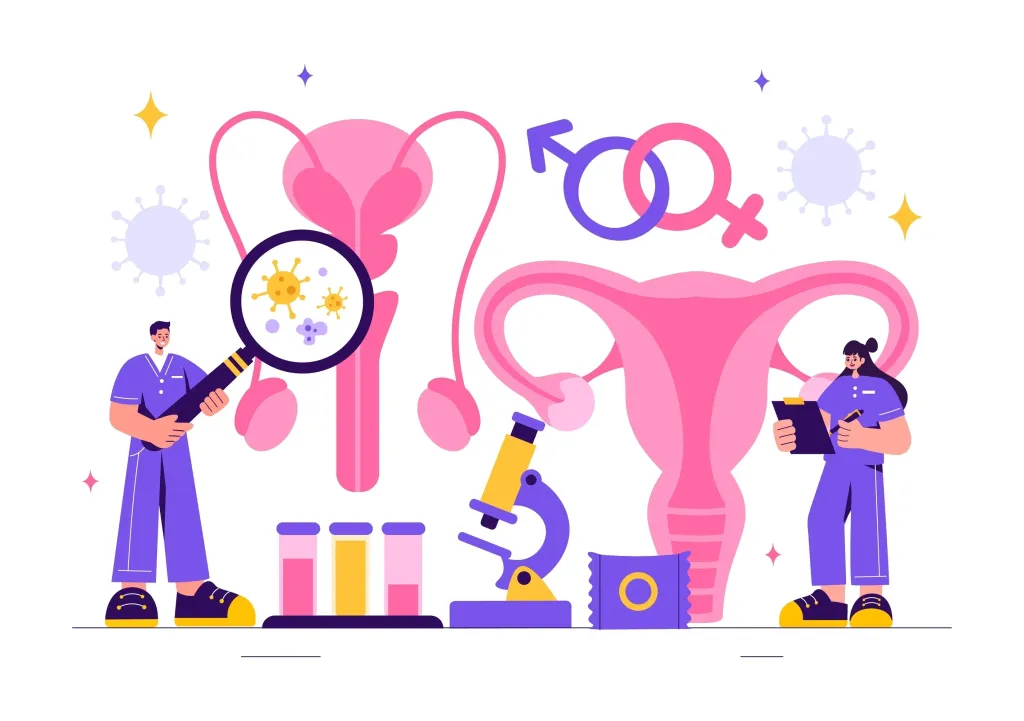


Sexual health changes are very common after cancer treatment, yet they are often overlooked. This article explains why sexual health changes happen after cancer, what symptoms are most common, and what treatment options and supports are available to help survivors reclaim intimacy and quality of life.
What is sexual health?
Sexual health includes several aspects of a person:
- Desire
- Comfort
- Pleasure
- Body image
- Emotional connection.
Cancer treatments such as chemotherapy, surgery, radiation, and other therapies can disrupt the hormones that affect nerves, blood flow, and emotional well-being, all of which play a role in sexuality.
Up to 90% of women and 40% to 85% of men report some form of sexual dysfunction after cancer. These changes can occur at any age and with any cancer type.
Sexual concerns vary, but many people experience:
- Low sexual desire (libido)
- Pain during sex
- Vaginal dryness or irritation
- Erectile dysfunction (ED)
- Fatigue or hormonal changes
- Body image concerns
- Strain on intimate relationships
These symptoms are real, common, and treatable. You are not alone in experiencing them.
More professionals need to address sexual concerns when supporting cancer patients.
Sexual health can be a difficult topic to discuss. Many cancer patients say that their sexual health concerns are never discussed during cancer care. Reasons include limited appointment time, discomfort discussing sex, and lack of training among clinicians.
Many people are hesitant or uncomfortable discussing their sexual health and may not bring it up with their doctors or other healthcare providers. Importantly, it is the healthcare team’s responsibility to bring up sexual health. Survivors should not feel embarrassed or hesitant to ask for help .
How is sexual health assessed after cancer?
When it comes to sexual health, physical, emotional and relationship factors all matter. Clinicians may use:
- Simple screening questions during visits
- Questionnaires such as PROMIS (Patient-Reported Outcomes Measurement Information System)
- Medical and sexual history discussions
These conversations should happen more than once, not just at the end of treatment.
Treatment options for women experiencing sexual health issues
How is vaginal dryness and pain treated?
Many women develop genitourinary syndrome of menopause (GSM) after cancer. Treatments include:
- Regular vaginal moisturizers
- Water- or silicone-based lubricants
- Low-dose vaginal estrogen in selected patients after discussing risks and benefits
- Vaginal DHEA (prasterone) as a non-estrogen option
What helps with pelvic pain or tightness?
Pelvic floor physical therapy and vaginal dilator therapy can reduce pain and improve comfort, especially after pelvic radiation or surgery.
What if desire or body image is affected?
Sex therapy, counseling, couples therapy, mindfulness, and psychological support can help with desire, self-confidence, and relationship stress. Addressing physical discomfort first is often an important step.
Treatment options for men experiencing sexual health issues
How is erectile dysfunction treated?
Erectile dysfunction is common after cancer, especially after pelvic surgery or hormone therapy. Options include:
- Oral medications such as sildenafil or tadalafil (PDE5 inhibitors)
- Vacuum erection devices
- Injections or urethral suppositories
- Penile implants for severe cases
What about low testosterone and libido?
Some men develop testosterone deficiency, leading to low energy, mood changes, and reduced desire. Testosterone therapy may help in selected patients when it is safe and not contraindicated.
Why do relationships and emotions matter so much?
Cancer affects more than the body. Survivors may struggle with feeling less desirable, fear of rejection, or changes in partner roles. These emotional and relationship changes can deeply affect intimacy.
Counseling and couples-based support can help partners reconnect and communicate openly about needs and concerns.
Does sexual health matter at every age?
Yes. Sexuality matters across the lifespan. Being older, single, or not currently sexually active does not mean sexual health is unimportant. Survivors should not be excluded from care or support based on age or relationship status.
What this means for cancer survivors
Sexual health is a basic part of quality of life, not a luxury. Effective treatments, therapies, and supportive care options exist for both physical and emotional sexual concerns after cancer.
If you are experiencing changes, know that help is available.
Final thoughts
Your body has been through a lot, and it deserves compassion, care, and support. Talking about sexual health can feel uncomfortable, but it is an important step toward healing and wholeness. You are allowed to ask questions, seek help, and advocate for your well-being at every stage of survivorship.
You can watch our free webinar recording Maintaining and Communicating your Sexual Wellness for further information.
Visit HealthTree to keep reading more comprehensive articles like this. Get involved and become a part of our community.
You can too participate in surveys that accelerate cures! If you are a blood cancer patient, you can participate in the study Sexual Health of Blood Cancer Patients: Helping the Birds and the Bees!
Source:
Sexual health changes are very common after cancer treatment, yet they are often overlooked. This article explains why sexual health changes happen after cancer, what symptoms are most common, and what treatment options and supports are available to help survivors reclaim intimacy and quality of life.
What is sexual health?
Sexual health includes several aspects of a person:
- Desire
- Comfort
- Pleasure
- Body image
- Emotional connection.
Cancer treatments such as chemotherapy, surgery, radiation, and other therapies can disrupt the hormones that affect nerves, blood flow, and emotional well-being, all of which play a role in sexuality.
Up to 90% of women and 40% to 85% of men report some form of sexual dysfunction after cancer. These changes can occur at any age and with any cancer type.
Sexual concerns vary, but many people experience:
- Low sexual desire (libido)
- Pain during sex
- Vaginal dryness or irritation
- Erectile dysfunction (ED)
- Fatigue or hormonal changes
- Body image concerns
- Strain on intimate relationships
These symptoms are real, common, and treatable. You are not alone in experiencing them.
More professionals need to address sexual concerns when supporting cancer patients.
Sexual health can be a difficult topic to discuss. Many cancer patients say that their sexual health concerns are never discussed during cancer care. Reasons include limited appointment time, discomfort discussing sex, and lack of training among clinicians.
Many people are hesitant or uncomfortable discussing their sexual health and may not bring it up with their doctors or other healthcare providers. Importantly, it is the healthcare team’s responsibility to bring up sexual health. Survivors should not feel embarrassed or hesitant to ask for help .
How is sexual health assessed after cancer?
When it comes to sexual health, physical, emotional and relationship factors all matter. Clinicians may use:
- Simple screening questions during visits
- Questionnaires such as PROMIS (Patient-Reported Outcomes Measurement Information System)
- Medical and sexual history discussions
These conversations should happen more than once, not just at the end of treatment.
Treatment options for women experiencing sexual health issues
How is vaginal dryness and pain treated?
Many women develop genitourinary syndrome of menopause (GSM) after cancer. Treatments include:
- Regular vaginal moisturizers
- Water- or silicone-based lubricants
- Low-dose vaginal estrogen in selected patients after discussing risks and benefits
- Vaginal DHEA (prasterone) as a non-estrogen option
What helps with pelvic pain or tightness?
Pelvic floor physical therapy and vaginal dilator therapy can reduce pain and improve comfort, especially after pelvic radiation or surgery.
What if desire or body image is affected?
Sex therapy, counseling, couples therapy, mindfulness, and psychological support can help with desire, self-confidence, and relationship stress. Addressing physical discomfort first is often an important step.
Treatment options for men experiencing sexual health issues
How is erectile dysfunction treated?
Erectile dysfunction is common after cancer, especially after pelvic surgery or hormone therapy. Options include:
- Oral medications such as sildenafil or tadalafil (PDE5 inhibitors)
- Vacuum erection devices
- Injections or urethral suppositories
- Penile implants for severe cases
What about low testosterone and libido?
Some men develop testosterone deficiency, leading to low energy, mood changes, and reduced desire. Testosterone therapy may help in selected patients when it is safe and not contraindicated.
Why do relationships and emotions matter so much?
Cancer affects more than the body. Survivors may struggle with feeling less desirable, fear of rejection, or changes in partner roles. These emotional and relationship changes can deeply affect intimacy.
Counseling and couples-based support can help partners reconnect and communicate openly about needs and concerns.
Does sexual health matter at every age?
Yes. Sexuality matters across the lifespan. Being older, single, or not currently sexually active does not mean sexual health is unimportant. Survivors should not be excluded from care or support based on age or relationship status.
What this means for cancer survivors
Sexual health is a basic part of quality of life, not a luxury. Effective treatments, therapies, and supportive care options exist for both physical and emotional sexual concerns after cancer.
If you are experiencing changes, know that help is available.
Final thoughts
Your body has been through a lot, and it deserves compassion, care, and support. Talking about sexual health can feel uncomfortable, but it is an important step toward healing and wholeness. You are allowed to ask questions, seek help, and advocate for your well-being at every stage of survivorship.
You can watch our free webinar recording Maintaining and Communicating your Sexual Wellness for further information.
Visit HealthTree to keep reading more comprehensive articles like this. Get involved and become a part of our community.
You can too participate in surveys that accelerate cures! If you are a blood cancer patient, you can participate in the study Sexual Health of Blood Cancer Patients: Helping the Birds and the Bees!
Source:

about the author
Jimena Vicencio
Jimena is an International Medical Graduate and a member of the HealthTree Writing team. Currently pursuing a bachelor's degree in journalism, she combines her medical background with a storyteller’s heart to make complex healthcare topics accessible to everyone. Driven by a deep belief that understanding health is a universal right, she is committed to translating scientific and medical knowledge into clear, compassionate language that empowers individuals to take control of their well-being.
More on Navigating Your Health





Trending Articles



Get the Latest Chronic Lymphocytic Leukemia Updates, Delivered to You.
By subscribing to the HealthTree newsletter, you'll receive the latest research, treatment updates, and expert insights to help you navigate your health.
Together we care.
Together we cure.