![[logo] HealthTree Foundation](https://static.healthtree.org/icons/icon_spinner.svg)
![[logo] HealthTree Foundation](https://static.healthtree.org/logo_icon_only.svg)
ALL in Young Adults: William Yank’s Story
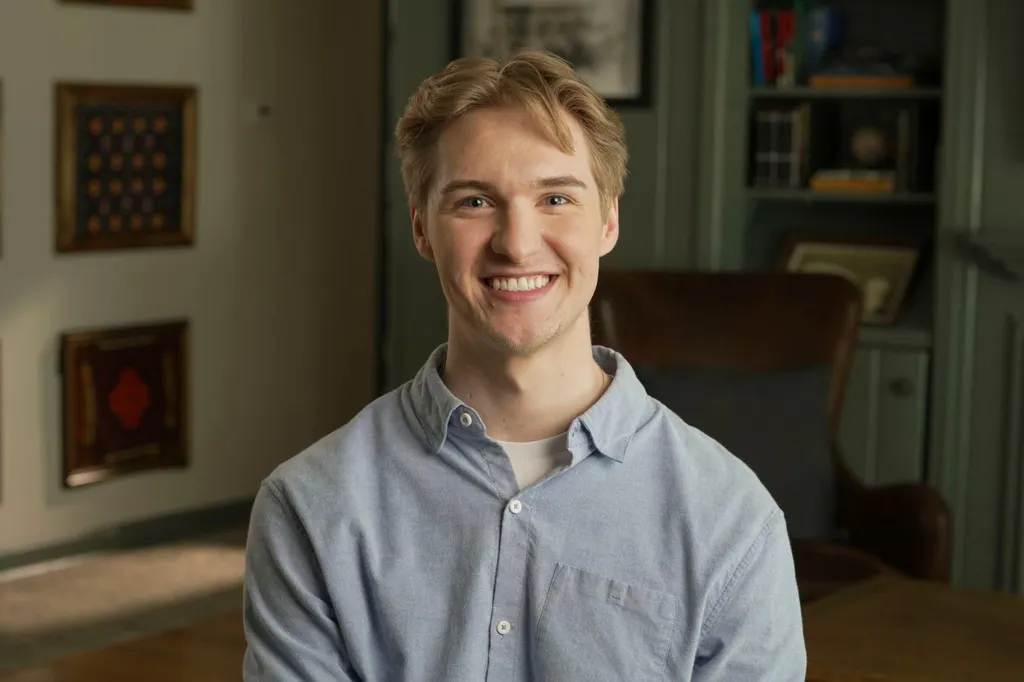


Recently, guest speaker and ALL survivor, William Yank shared his experience as a young adult diagnosed with acute lymphocytic leukemia (ALL) during a HealthTree webinar. These recorded events are designed to bring patients and caregivers together to hear real experiences with cancer.
A cancer diagnosis impacts more than just your health
ALL, like many other blood cancers, is often thought of as a disease that only affects older adults. However, ALL also impacts adolescents and young adults (AYAs). While a cancer diagnosis is always disruptive, for younger people it affects school, early careers, and major life transitions. For many, plans are put on pause, and routines change significantly.
ALL is a fast-growing blood cancer that starts in the bone marrow. It affects how the body makes healthy blood cells. This can lead to symptoms like fatigue, frequent infections, bruising, or pain. In AYA patients, these symptoms may be overlooked at first, especially when they seem similar to common illnesses. This can delay diagnosis and add to the stress of an already difficult experience.
William’s early symptoms were similar to mono
William was a healthy and active student athlete on the track team at his university. During his junior year of college, he began to notice joint pain in his hands and ongoing fatigue. Initially, he was diagnosed with mononucleosis (mono). His condition worsened over time and at one point he became so weak that he could not open the refrigerator door. His roommate took him to the emergency room, and he was diagnosed with leukemia and a staph infection.
His treatment began with chemotherapy, which is often the first step for ALL. For William, the initial chemo did not work as well as expected. He later received CAR T-cell therapy, a type of treatment that uses a person’s own immune cells to target cancer.
ALL treatments led to a lasting remission for William
After treatment, he reached remission. Six months later, the leukemia returned. He went through CAR T-cell therapy again and reached remission once more. During his senior year of college, he faced another relapse. At that point, his care team recommended additional immunotherapies, including blinatumomab (Blincyto) and inotuzumab (Besponsa), followed by a stem cell transplant.
Today, William is six years into remission. His experience highlights how ALL treatment can involve multiple steps and adjustments over time. You can watch the full webinar on our website.
Stories like William’s can play an important role in helping you feel less alone and more informed about what to expect after a cancer diagnosis.
How HealthTree can help you after a cancer diagnosis
Through HealthTree webinars, patients and caregivers can hear directly from others who have been through similar experiences. These sessions often include personal stories, discussions with experts, and time for questions. They create space for open conversations about treatment, side effects, and life during and after cancer.
For AYA patients with ALL, connecting with others who understand the unique challenges of this stage of life can be especially helpful. It can offer practical insight and a sense of community during a time that can feel isolating.
If you are interested in sharing your experience or hearing from others, HealthTree Connect is one place to start. This social media network for people with cancer is designed to bring patients and caregivers together to learn from shared experiences and find support.
Recently, guest speaker and ALL survivor, William Yank shared his experience as a young adult diagnosed with acute lymphocytic leukemia (ALL) during a HealthTree webinar. These recorded events are designed to bring patients and caregivers together to hear real experiences with cancer.
A cancer diagnosis impacts more than just your health
ALL, like many other blood cancers, is often thought of as a disease that only affects older adults. However, ALL also impacts adolescents and young adults (AYAs). While a cancer diagnosis is always disruptive, for younger people it affects school, early careers, and major life transitions. For many, plans are put on pause, and routines change significantly.
ALL is a fast-growing blood cancer that starts in the bone marrow. It affects how the body makes healthy blood cells. This can lead to symptoms like fatigue, frequent infections, bruising, or pain. In AYA patients, these symptoms may be overlooked at first, especially when they seem similar to common illnesses. This can delay diagnosis and add to the stress of an already difficult experience.
William’s early symptoms were similar to mono
William was a healthy and active student athlete on the track team at his university. During his junior year of college, he began to notice joint pain in his hands and ongoing fatigue. Initially, he was diagnosed with mononucleosis (mono). His condition worsened over time and at one point he became so weak that he could not open the refrigerator door. His roommate took him to the emergency room, and he was diagnosed with leukemia and a staph infection.
His treatment began with chemotherapy, which is often the first step for ALL. For William, the initial chemo did not work as well as expected. He later received CAR T-cell therapy, a type of treatment that uses a person’s own immune cells to target cancer.
ALL treatments led to a lasting remission for William
After treatment, he reached remission. Six months later, the leukemia returned. He went through CAR T-cell therapy again and reached remission once more. During his senior year of college, he faced another relapse. At that point, his care team recommended additional immunotherapies, including blinatumomab (Blincyto) and inotuzumab (Besponsa), followed by a stem cell transplant.
Today, William is six years into remission. His experience highlights how ALL treatment can involve multiple steps and adjustments over time. You can watch the full webinar on our website.
Stories like William’s can play an important role in helping you feel less alone and more informed about what to expect after a cancer diagnosis.
How HealthTree can help you after a cancer diagnosis
Through HealthTree webinars, patients and caregivers can hear directly from others who have been through similar experiences. These sessions often include personal stories, discussions with experts, and time for questions. They create space for open conversations about treatment, side effects, and life during and after cancer.
For AYA patients with ALL, connecting with others who understand the unique challenges of this stage of life can be especially helpful. It can offer practical insight and a sense of community during a time that can feel isolating.
If you are interested in sharing your experience or hearing from others, HealthTree Connect is one place to start. This social media network for people with cancer is designed to bring patients and caregivers together to learn from shared experiences and find support.
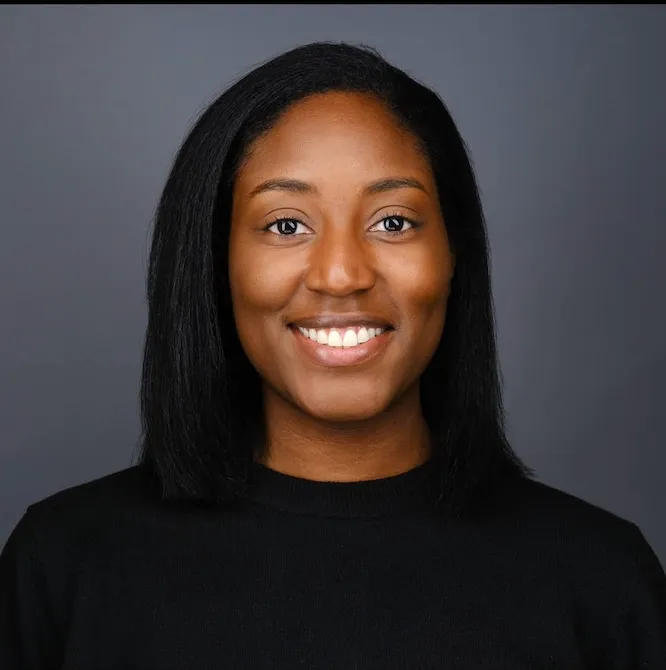
about the author
Bethany Howell
Bethany joined HealthTree in 2025. She is passionate about supporting patients and their care partners and improving access to quality care.
More on Patient Stories
Trending Articles

Upcoming Events

Get the Latest Blood Cancer Updates, Delivered to You.
By subscribing to the HealthTree newsletter, you'll receive the latest research, treatment updates, and expert insights to help you navigate your health.
Together we care.
Together we cure.