![[logo] HealthTree Foundation](https://static.healthtree.org/icons/icon_spinner.svg)
![[logo] HealthTree Foundation](https://static.healthtree.org/logo_icon_only.svg)
How Socioeconomic Status Affects Health Outcomes for People with AML
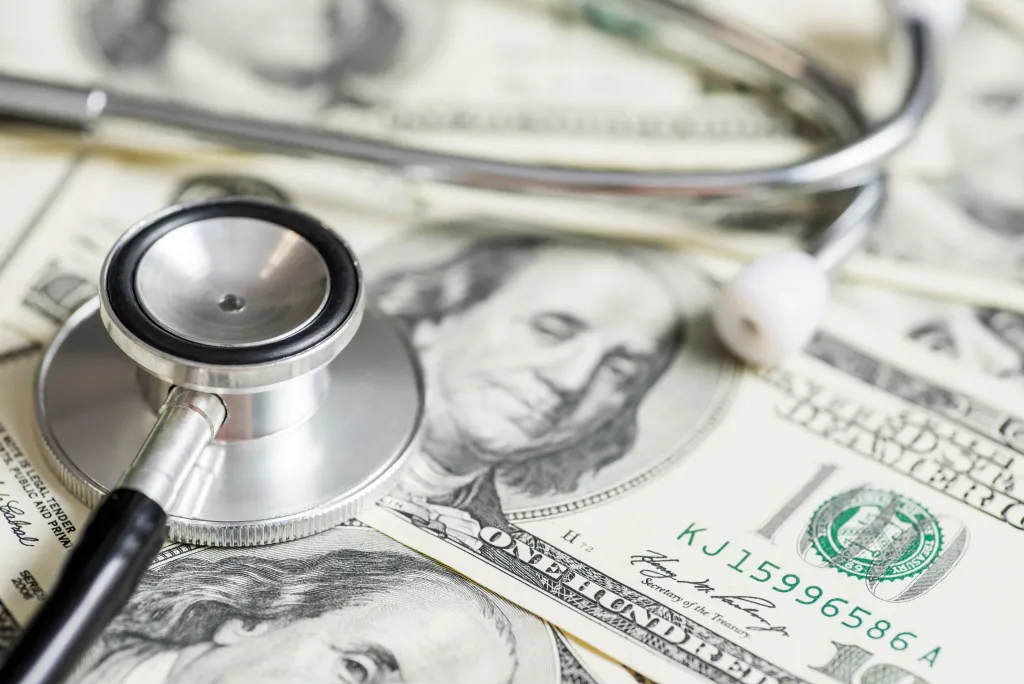


In a recent study of 131,758 patients with acute myeloid leukemia (AML), researchers found that traveling long distances to treatment did not affect patient outcomes. But when patients had two or more factors that affected health outcomes, like financial challenges, travel distance did affect outcomes.
Social determinants of health (SDOH) are nonmedical factors that affect health outcomes. Socioeconomic status (SES) is a part of SDOH. SES measures social status based on education, income, and occupation. People with lower SES tend to have treatment delays and limited access to resources which can lead to worse health outcomes compared to that of people with higher SES.
Researchers found that people with higher SES had better health outcomes, even if they lived far away from large medical centers. These findings suggest that it is not the distance from large medical centers alone that determine outcomes but likely several factors tied to SES that impact care.
How does socioeconomic status affect cancer care?
People with lower SES may face a variety of barriers to care. These can include:
- A lack of insurance coverage: Many people who are uninsured or underinsured cannot afford to pay high out-of-pocket costs. They may have interruptions to their care or go without.
- Indirect expenses required to access care: Even if a person has insurance, cancer care is expensive. There are also additional costs, such as childcare, transportation, parking, and lost income because of time away from work.
Each of these barriers can lead to delays in diagnosis and the start of treatment which can have a significant impact on overall outcomes.
Virtual appointments can change access to care
Advancements in technology have changed the way that medical appointments are offered. Some appointments can now take place online via telehealth, the use of virtual platforms to conduct health care appointments. This way, instead of paying for gas or a hotel and missing more time from work because of travel distance, people are able to speak with their providers online.
Recent telehealth policy changes have also allowed more flexibility around virtual care and many patients are able to see specialists that they would not otherwise have access to.
If you are looking for a specialist, follow the link below to HealthTree’s Specialist Directory.
Community programs can help people get quality care
Many community programs offer services that help improve access to quality care.
These services include:
- Free resources to help you understand your diagnosis and treatment.
- Financial assistance with copays, transportation, food, and lodging.
- Peer programs that help you to connect with others and find support.
HealthTree is committed to providing support to patients who are experiencing challenges to receiving care. HealthTree’s Financial Resources page highlights programs that can help patients with travel, lodging, medication, and other healthcare-related expenses.
Sources:
In a recent study of 131,758 patients with acute myeloid leukemia (AML), researchers found that traveling long distances to treatment did not affect patient outcomes. But when patients had two or more factors that affected health outcomes, like financial challenges, travel distance did affect outcomes.
Social determinants of health (SDOH) are nonmedical factors that affect health outcomes. Socioeconomic status (SES) is a part of SDOH. SES measures social status based on education, income, and occupation. People with lower SES tend to have treatment delays and limited access to resources which can lead to worse health outcomes compared to that of people with higher SES.
Researchers found that people with higher SES had better health outcomes, even if they lived far away from large medical centers. These findings suggest that it is not the distance from large medical centers alone that determine outcomes but likely several factors tied to SES that impact care.
How does socioeconomic status affect cancer care?
People with lower SES may face a variety of barriers to care. These can include:
- A lack of insurance coverage: Many people who are uninsured or underinsured cannot afford to pay high out-of-pocket costs. They may have interruptions to their care or go without.
- Indirect expenses required to access care: Even if a person has insurance, cancer care is expensive. There are also additional costs, such as childcare, transportation, parking, and lost income because of time away from work.
Each of these barriers can lead to delays in diagnosis and the start of treatment which can have a significant impact on overall outcomes.
Virtual appointments can change access to care
Advancements in technology have changed the way that medical appointments are offered. Some appointments can now take place online via telehealth, the use of virtual platforms to conduct health care appointments. This way, instead of paying for gas or a hotel and missing more time from work because of travel distance, people are able to speak with their providers online.
Recent telehealth policy changes have also allowed more flexibility around virtual care and many patients are able to see specialists that they would not otherwise have access to.
If you are looking for a specialist, follow the link below to HealthTree’s Specialist Directory.
Community programs can help people get quality care
Many community programs offer services that help improve access to quality care.
These services include:
- Free resources to help you understand your diagnosis and treatment.
- Financial assistance with copays, transportation, food, and lodging.
- Peer programs that help you to connect with others and find support.
HealthTree is committed to providing support to patients who are experiencing challenges to receiving care. HealthTree’s Financial Resources page highlights programs that can help patients with travel, lodging, medication, and other healthcare-related expenses.
Sources:
about the author
Bethany Howell
Bethany joined HealthTree in 2025. She is passionate about supporting patients and their care partners and improving access to quality care.
More on Navigating Your Health










Get the Latest Acute Lymphoblastic Leukemia Updates, Delivered to You.
By subscribing to the HealthTree newsletter, you'll receive the latest research, treatment updates, and expert insights to help you navigate your health.
Together we care.
Together we cure.