![[logo] HealthTree Foundation](https://static.healthtree.org/icons/icon_spinner.svg)
![[logo] HealthTree Foundation](https://static.healthtree.org/logo_icon_only.svg)
Why Are People Dropping Red Meat?: Lowering Cancer Risk through Dietary Changes
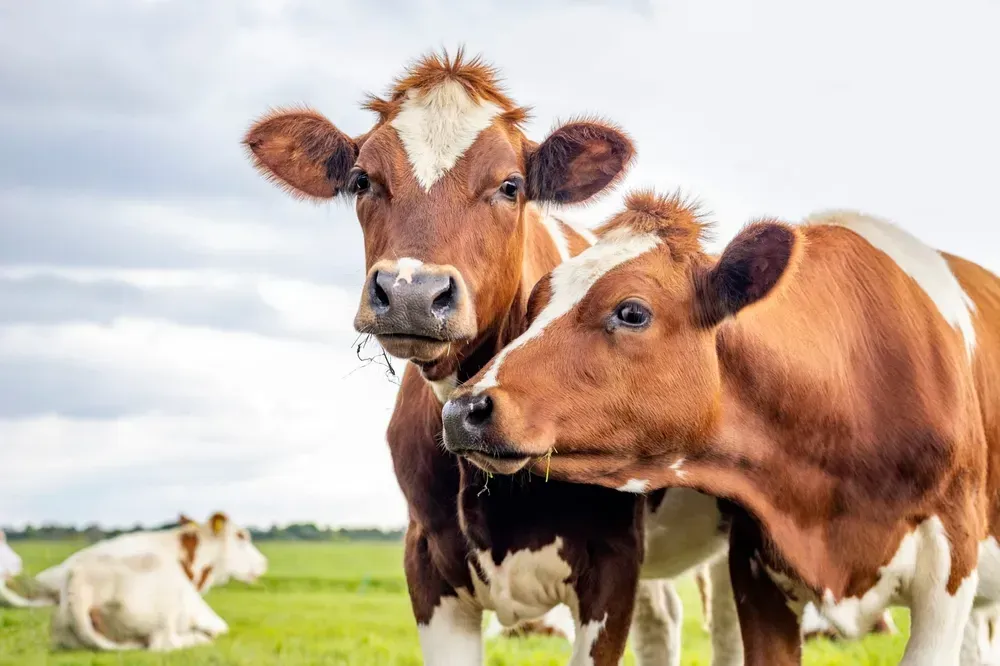


In recent years, the conversation about cutting back on red meat has become trendy in the cancer community. But it’s not just a trend: there is research to back up how red meat impacts your health and cancer risk. Studies have found a correlation between high red meat consumption and the development of several types of cancer, particularly breast and gastrointestinal cancers.
Does having a steak cause more harm than a hot dog?
By itself, no food should be considered harmful. Even red meat has vitamin B12 that can help improve anemia. But, over time, eating too much red meat and processed meats could have negative impacts on your health and increase your risk of certain conditions, including cancer. Red meat includes beef, lamb, and goat. Processed meats refer to foods like hot dogs, sausage, and beef jerky.
Making the distinction between red meat and processed meats is important. The nutritious value is very different. For example a steak, if bought raw, doesn’t have any preservative agents. In contrast, processed meat usually contains more ingredients than just meat, including preservatives that make it last longer in the fridge.
How does red meat cause cancer?
Processed meats are classified as a Category 1 carcinogen by the World Health Organization (WHO). This means there is evidence they can cause cancer if consumed in large quantities over longer periods. Processed meats have been also associated with increased risk for colorectal cancer and stomach cancer.
Does red meat have any health benefits?
In small amounts, red meat does have some health benefits. Red meat is a source of minerals and vitamin B12. It is high in protein, which helps promote muscle growth. Red meat also has zinc and iron.
But red meat isn’t the only source of those nutrients. Poultry, fish, eggs, and nuts are also good sources of these nutrients. For example, clams, salmon, and sardines are a good source of B12. For people who don’t eat meat, nutritional yeast or supplements are an option.
How does too much red meat affect your health when you have cancer?
Heme iron. Found abundantly in red meat, heme iron can trigger oxidative reactions that eventually lead to tumor formation. It also promotes the formation of carcinogenic compounds in the gut. It has also been linked to a higher risk of type 2 diabetes.
High-temperature cooking. Cooking methods such as grilling or barbecuing create chemicals called heterocyclic amines (HCAs) and polycyclic aromatic hydrocarbons (PAHs). These substances can damage DNA, potentially leading to pancreatic and colorectal cancers.
Inflammation. Red meat contains a sugar molecule called N-glycolylneuraminic acid. This molecule may promote chronic inflammation and oxidative stress, both of which are linked to breast cancer risk. A different pathway of inflammation in red meat is through a bacteria known to cause gastritis. Red meat helps a bacteria commonly called H. pylori grow in the stomach, which then triggers a specific gene (CagA) that leads to inflammation.
Bacterial ecosystem. Gut bacteria also known as microbiota is highly influenced by what we eat. This affects how we absorb nutrients. Red meat has proven to reduce microbial diversity and promote bacteria that produce harmful metabolites.
Can you reduce your risk of cancer with diet changes?
Understanding exactly how individual foods affect cancer risk is difficult. This is because people have varied diets and may have many different risk factors. It is possible to eat the healthiest diet in the world and still develop cancer.
But making small changes to your diet could reduce your risk of certain diseases, including cancer. For example, researchers are investigating how a plant-based diet may prevent progression to multiple myeloma in people with precursor disease.
For people concerned about cancer prevention or survivors looking to improve overall health, there are some small dietary changes that may help.
|
Dietary Change |
Actionable Step |
Supporting Evidence |
Prioritize substitutions
Replace red meat with poultry or fish to reduce the intake of mutagenic compounds.
Substituting poultry for red meat is associated with a lower risk of invasive breast cancer.
Adopt the Mediterranean diet
Increase consumption of vegetables, fruits, whole grains, nuts, and olive oil while keeping red meat intake low.
This pattern is linked to lower tumor aggressiveness and improved survival rates for breast cancer survivors.
Modify cooking methods
Choose stewing or pan-frying at lower temperatures rather than high-heat grilling or charring.
Reducing intake of well-done or barbecued meat lowers exposure to DNA-damaging chemicals.
Limit processed meats
Drastically reduce or eliminate sausages and deli meats.
Processed meats are associated with a higher risk of colorectal and localized cancers
Learn more about nutrition and diet’s role in cancer care with HealthTree University
In the free HealthTree University course of Nutrition and Diet as a Biologically-Based Therapy, you’ll learn all about cancer and diet, responding to questions like:
- How may imbalance in the gut microbiome be related to cancer?
- Do probiotics help your microbiome?
- What is a whole food plant based diet?
- What is the link between diet and gut microbiome?
You’ll learn the importance of maintaining a healthy gut through diet and how this can help your overall health.
Opting out of red meat may benefit more than your individual health
While the primary motivation for these changes is often personal health, reducing red meat consumption offers a significant secondary benefits:
- Lowering greenhouse gas emissions: Livestock production is a leading contributor to global emissions.
- Conserving water and land: Reducing the demand for grain-fed beef helps decrease deforestation and freshwater use.
- Reducing antibiotic resistance: Intensive farming practices often rely on antibiotics, contributing to broader public health challenges.
People are dropping red meat for many reasons and research is supporting the benefits of moving to more sustainable choices
The evidence connecting high red meat intake to cancers of the breast, stomach, and colon is substantial, rooted in the way the body processes red meat and processed meats byproducts. By shifting to a Mediterranean-style diet and choosing poultry or fish, you can proactively manage your cancer risk. Continue reading more practical news with HealthTree and subscribe to our newsletter.
Sources:
- Comprehensive Review of Red Meat Consumption and the Risk of Cancer
- Effect of Consumption of Animal Products on the Gut Microbiome Composition and Gut Health
- Who has a beef with reducing red and processed meat consumption? A media framing analysis
- Significant link found between heme iron, found in red meat and other animal products, and type 2 diabetes risk
- How a Mediterranean Diet May Benefit Cancer Survivors
- Half of the world’s habitable land is used for agriculture
In recent years, the conversation about cutting back on red meat has become trendy in the cancer community. But it’s not just a trend: there is research to back up how red meat impacts your health and cancer risk. Studies have found a correlation between high red meat consumption and the development of several types of cancer, particularly breast and gastrointestinal cancers.
Does having a steak cause more harm than a hot dog?
By itself, no food should be considered harmful. Even red meat has vitamin B12 that can help improve anemia. But, over time, eating too much red meat and processed meats could have negative impacts on your health and increase your risk of certain conditions, including cancer. Red meat includes beef, lamb, and goat. Processed meats refer to foods like hot dogs, sausage, and beef jerky.
Making the distinction between red meat and processed meats is important. The nutritious value is very different. For example a steak, if bought raw, doesn’t have any preservative agents. In contrast, processed meat usually contains more ingredients than just meat, including preservatives that make it last longer in the fridge.
How does red meat cause cancer?
Processed meats are classified as a Category 1 carcinogen by the World Health Organization (WHO). This means there is evidence they can cause cancer if consumed in large quantities over longer periods. Processed meats have been also associated with increased risk for colorectal cancer and stomach cancer.
Does red meat have any health benefits?
In small amounts, red meat does have some health benefits. Red meat is a source of minerals and vitamin B12. It is high in protein, which helps promote muscle growth. Red meat also has zinc and iron.
But red meat isn’t the only source of those nutrients. Poultry, fish, eggs, and nuts are also good sources of these nutrients. For example, clams, salmon, and sardines are a good source of B12. For people who don’t eat meat, nutritional yeast or supplements are an option.
How does too much red meat affect your health when you have cancer?
Heme iron. Found abundantly in red meat, heme iron can trigger oxidative reactions that eventually lead to tumor formation. It also promotes the formation of carcinogenic compounds in the gut. It has also been linked to a higher risk of type 2 diabetes.
High-temperature cooking. Cooking methods such as grilling or barbecuing create chemicals called heterocyclic amines (HCAs) and polycyclic aromatic hydrocarbons (PAHs). These substances can damage DNA, potentially leading to pancreatic and colorectal cancers.
Inflammation. Red meat contains a sugar molecule called N-glycolylneuraminic acid. This molecule may promote chronic inflammation and oxidative stress, both of which are linked to breast cancer risk. A different pathway of inflammation in red meat is through a bacteria known to cause gastritis. Red meat helps a bacteria commonly called H. pylori grow in the stomach, which then triggers a specific gene (CagA) that leads to inflammation.
Bacterial ecosystem. Gut bacteria also known as microbiota is highly influenced by what we eat. This affects how we absorb nutrients. Red meat has proven to reduce microbial diversity and promote bacteria that produce harmful metabolites.
Can you reduce your risk of cancer with diet changes?
Understanding exactly how individual foods affect cancer risk is difficult. This is because people have varied diets and may have many different risk factors. It is possible to eat the healthiest diet in the world and still develop cancer.
But making small changes to your diet could reduce your risk of certain diseases, including cancer. For example, researchers are investigating how a plant-based diet may prevent progression to multiple myeloma in people with precursor disease.
For people concerned about cancer prevention or survivors looking to improve overall health, there are some small dietary changes that may help.
|
Dietary Change |
Actionable Step |
Supporting Evidence |
|
Prioritize substitutions |
Replace red meat with poultry or fish to reduce the intake of mutagenic compounds. |
Substituting poultry for red meat is associated with a lower risk of invasive breast cancer. |
|
Adopt the Mediterranean diet |
Increase consumption of vegetables, fruits, whole grains, nuts, and olive oil while keeping red meat intake low. |
This pattern is linked to lower tumor aggressiveness and improved survival rates for breast cancer survivors. |
|
Modify cooking methods |
Choose stewing or pan-frying at lower temperatures rather than high-heat grilling or charring. |
Reducing intake of well-done or barbecued meat lowers exposure to DNA-damaging chemicals. |
|
Limit processed meats |
Drastically reduce or eliminate sausages and deli meats. |
Processed meats are associated with a higher risk of colorectal and localized cancers |
Learn more about nutrition and diet’s role in cancer care with HealthTree University
In the free HealthTree University course of Nutrition and Diet as a Biologically-Based Therapy, you’ll learn all about cancer and diet, responding to questions like:
- How may imbalance in the gut microbiome be related to cancer?
- Do probiotics help your microbiome?
- What is a whole food plant based diet?
- What is the link between diet and gut microbiome?
You’ll learn the importance of maintaining a healthy gut through diet and how this can help your overall health.
Opting out of red meat may benefit more than your individual health
While the primary motivation for these changes is often personal health, reducing red meat consumption offers a significant secondary benefits:
- Lowering greenhouse gas emissions: Livestock production is a leading contributor to global emissions.
- Conserving water and land: Reducing the demand for grain-fed beef helps decrease deforestation and freshwater use.
- Reducing antibiotic resistance: Intensive farming practices often rely on antibiotics, contributing to broader public health challenges.
People are dropping red meat for many reasons and research is supporting the benefits of moving to more sustainable choices
The evidence connecting high red meat intake to cancers of the breast, stomach, and colon is substantial, rooted in the way the body processes red meat and processed meats byproducts. By shifting to a Mediterranean-style diet and choosing poultry or fish, you can proactively manage your cancer risk. Continue reading more practical news with HealthTree and subscribe to our newsletter.
Sources:
- Comprehensive Review of Red Meat Consumption and the Risk of Cancer
- Effect of Consumption of Animal Products on the Gut Microbiome Composition and Gut Health
- Who has a beef with reducing red and processed meat consumption? A media framing analysis
- Significant link found between heme iron, found in red meat and other animal products, and type 2 diabetes risk
- How a Mediterranean Diet May Benefit Cancer Survivors
- Half of the world’s habitable land is used for agriculture

about the author
Jimena Vicencio
Jimena is an International Medical Graduate and a member of the HealthTree Writing team. Currently pursuing a bachelor's degree in journalism, she combines her medical background with a storyteller’s heart to make complex healthcare topics accessible to everyone. Driven by a deep belief that understanding health is a universal right, she is committed to translating scientific and medical knowledge into clear, compassionate language that empowers individuals to take control of their well-being.
More on Navigating Your Health


Trending Articles




Get the Latest Chronic Lymphocytic Leukemia Updates, Delivered to You.
By subscribing to the HealthTree newsletter, you'll receive the latest research, treatment updates, and expert insights to help you navigate your health.
Together we care.
Together we cure.