![[logo] HealthTree Foundation](https://static.healthtree.org/icons/icon_spinner.svg)
![[logo] HealthTree Foundation](https://static.healthtree.org/logo_icon_only.svg)
Is Stem Cell Transplant Used in CLL Care Today?
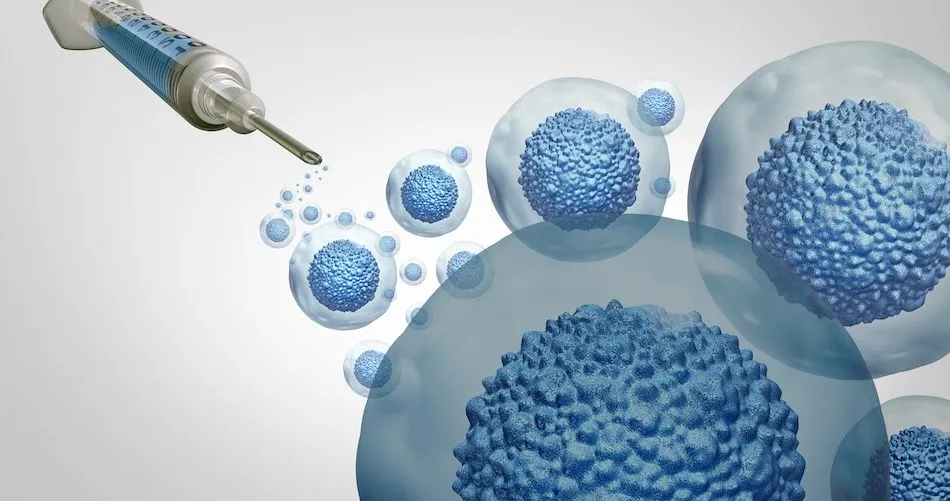


Stem cell transplants (SCT) were once a common treatment for chronic lymphocytic leukemia (CLL) that are used less often today. Learn what treatments are most common, when an SCT may be used for CLL, and what risks to consider.
What is an allogeneic stem cell transplant?
An allogeneic stem cell transplant (allo-SCT) uses healthy blood-forming cells from a donor. These cells replace a person’s bone marrow after a strong treatment, such as chemotherapy, to remove leukemia cells. After this step, the new donor cells are given to rebuild the patient’s immune system.
A key benefit is the “graft-versus-leukemia” effect. This means donor immune cells can find and remove remaining CLL cells. This immune response may help keep CLL under control for a long time.
Why allo-SCT is used less often today for CLL
In recent years, targeted therapies like BTK and BCL-2 inhibitors have changed CLL care. These treatments often control CLL for many years with fewer side effects. Because of this, fewer people with CLL now need an allo-SCT.
Even so, an allo-SCT still has a role in CLL care. It can be used later in treatment, usually when other options stop working.
An allo-SCT is one of the only treatments that may offer a cure for CLL. Other therapies can control the cancer, but they usually do not remove it completely.
Which CLL patients may benefit from an allo-SCT?
An allo-SCT is not for everyone. It is usually reserved for people with higher-risk CLL or when other treatments are no longer working. This includes those who:
- Have CLL that does not respond to multiple therapies
- Have high-risk CLL genetic changes like TP53 mutation or deletion 17p
- Have CLL that has undergone Richter transformation
Doctors also look closely at a person’s overall health and ability to handle the treatment. Because allo-SCT can be intensive, it is more often considered for people who are younger and medically fit.
Several factors help guide the decision:
- Age and overall health
- How well the CLL is controlled
- Prior treatments and how long they worked
- Availability of a matched donor
Timing is also important. Allo-SCT often works best when the CLL is already under control before the procedure. This can help lower the chance of the CLL returning after transplant.
In many cases, patients are referred to a transplant specialist to review the potential benefits and risks in more detail.
What outcomes look like
Studies show that an allo-SCT can lead to long-term remission in about 30% to 50% of people with advanced CLL.
Outcomes after allo-SCT for people with CLL vary based on health, disease status, and donor match. Some key findings include:
- About 60% of patients are alive 2 years after transplant.
- Relapse can still happen in more than 30% of patients.
Even with these risks, some patients achieve long-term remission and may not need further treatment.
Risks and side effects to consider
An allo-SCT can come with serious risks. These include:
- Graft-versus-host disease (GVHD), when donor cells attack the body
- Infections due to a weak immune system
- Non-relapse mortality, meaning death not caused by CLL
GVHD is common and can affect quality of life. Some studies show it occurs in about half of patients. There are medications that can help manage GVHD.
There is also a risk of death related to the procedure, especially in older patients.
However, newer approaches like reduced-intensity conditioning use lower doses of treatment. This can lower risks while still allowing the transplant to work.
These advances have helped make allo-SCT safer for some patients compared to the past.
Questions to ask your doctor
If you are living with CLL, these questions may help guide conversations about an allo-SCT with your doctor:
- Am I considered a candidate for an allo-SCT based on my CLL and overall health?
- Are there other treatment options I should try before considering a transplant?
- What are the possible benefits and risks of allo-SCT in my situation?
- How could an allo-SCT affect my quality of life and long-term health?
Key takeaways
Allogeneic stem cell transplant (allo-SCT) is used less often today but remains important for certain people with CLL. It is usually considered when other treatments stop working, especially in high-risk cases. While it carries serious risks, it may offer long-term remission or even a cure for some patients.
Get the latest CLL updates delivered to you! The HealthTree newsletter shares core education, research advances, and more directly to your inbox.
Sources:
- The role of allogeneic hematopoietic cell transplantation for chronic lymphocytic leukemia: A review
- Outcomes of patients diagnosed with chronic lymphocytic leukemia after allogeneic hematopoietic stem cell transplantation: Results from a tertiary care center
- Does Allogeneic Stem Cell Transplantation Still Have a Role in CLL?
- Stem Cell Transplant for Chronic Lymphocytic Leukemia (CLL)
- How and when I do allogeneic transplant in CLL
Stem cell transplants (SCT) were once a common treatment for chronic lymphocytic leukemia (CLL) that are used less often today. Learn what treatments are most common, when an SCT may be used for CLL, and what risks to consider.
What is an allogeneic stem cell transplant?
An allogeneic stem cell transplant (allo-SCT) uses healthy blood-forming cells from a donor. These cells replace a person’s bone marrow after a strong treatment, such as chemotherapy, to remove leukemia cells. After this step, the new donor cells are given to rebuild the patient’s immune system.
A key benefit is the “graft-versus-leukemia” effect. This means donor immune cells can find and remove remaining CLL cells. This immune response may help keep CLL under control for a long time.
Why allo-SCT is used less often today for CLL
In recent years, targeted therapies like BTK and BCL-2 inhibitors have changed CLL care. These treatments often control CLL for many years with fewer side effects. Because of this, fewer people with CLL now need an allo-SCT.
Even so, an allo-SCT still has a role in CLL care. It can be used later in treatment, usually when other options stop working.
An allo-SCT is one of the only treatments that may offer a cure for CLL. Other therapies can control the cancer, but they usually do not remove it completely.
Which CLL patients may benefit from an allo-SCT?
An allo-SCT is not for everyone. It is usually reserved for people with higher-risk CLL or when other treatments are no longer working. This includes those who:
- Have CLL that does not respond to multiple therapies
- Have high-risk CLL genetic changes like TP53 mutation or deletion 17p
- Have CLL that has undergone Richter transformation
Doctors also look closely at a person’s overall health and ability to handle the treatment. Because allo-SCT can be intensive, it is more often considered for people who are younger and medically fit.
Several factors help guide the decision:
- Age and overall health
- How well the CLL is controlled
- Prior treatments and how long they worked
- Availability of a matched donor
Timing is also important. Allo-SCT often works best when the CLL is already under control before the procedure. This can help lower the chance of the CLL returning after transplant.
In many cases, patients are referred to a transplant specialist to review the potential benefits and risks in more detail.
What outcomes look like
Studies show that an allo-SCT can lead to long-term remission in about 30% to 50% of people with advanced CLL.
Outcomes after allo-SCT for people with CLL vary based on health, disease status, and donor match. Some key findings include:
- About 60% of patients are alive 2 years after transplant.
- Relapse can still happen in more than 30% of patients.
Even with these risks, some patients achieve long-term remission and may not need further treatment.
Risks and side effects to consider
An allo-SCT can come with serious risks. These include:
- Graft-versus-host disease (GVHD), when donor cells attack the body
- Infections due to a weak immune system
- Non-relapse mortality, meaning death not caused by CLL
GVHD is common and can affect quality of life. Some studies show it occurs in about half of patients. There are medications that can help manage GVHD.
There is also a risk of death related to the procedure, especially in older patients.
However, newer approaches like reduced-intensity conditioning use lower doses of treatment. This can lower risks while still allowing the transplant to work.
These advances have helped make allo-SCT safer for some patients compared to the past.
Questions to ask your doctor
If you are living with CLL, these questions may help guide conversations about an allo-SCT with your doctor:
- Am I considered a candidate for an allo-SCT based on my CLL and overall health?
- Are there other treatment options I should try before considering a transplant?
- What are the possible benefits and risks of allo-SCT in my situation?
- How could an allo-SCT affect my quality of life and long-term health?
Key takeaways
Allogeneic stem cell transplant (allo-SCT) is used less often today but remains important for certain people with CLL. It is usually considered when other treatments stop working, especially in high-risk cases. While it carries serious risks, it may offer long-term remission or even a cure for some patients.
Get the latest CLL updates delivered to you! The HealthTree newsletter shares core education, research advances, and more directly to your inbox.
Sources:
- The role of allogeneic hematopoietic cell transplantation for chronic lymphocytic leukemia: A review
- Outcomes of patients diagnosed with chronic lymphocytic leukemia after allogeneic hematopoietic stem cell transplantation: Results from a tertiary care center
- Does Allogeneic Stem Cell Transplantation Still Have a Role in CLL?
- Stem Cell Transplant for Chronic Lymphocytic Leukemia (CLL)
- How and when I do allogeneic transplant in CLL

about the author
Megan Heaps
Megan joined HealthTree in 2022. She enjoys helping patients and their care partners understand the various aspects of the cancer. This understanding enables them to better advocate for themselves and improve their treatment outcomes.
More on Core Education






Trending Articles




Get the Latest Chronic Lymphocytic Leukemia Updates, Delivered to You.
By subscribing to the HealthTree newsletter, you'll receive the latest research, treatment updates, and expert insights to help you navigate your health.
Together we care.
Together we cure.