![[logo] HealthTree Foundation](https://static.healthtree.org/icons/icon_spinner.svg)
![[logo] HealthTree Foundation](https://static.healthtree.org/logo_icon_only.svg)
U.S. FDA Approves Decitabine and Cedazuridine (Inqovi) Plus Venetoclax (Venclexta) for Acute Myeloid Leukemia
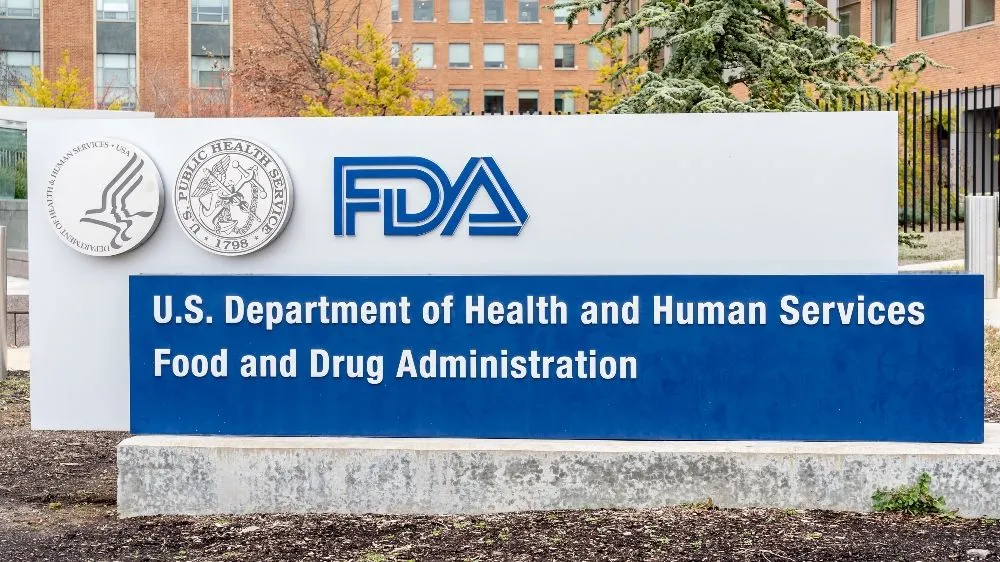


On May 13, 2026, the U.S. Food and Drug Administration (FDA) approved an oral combination of decitabine and cedazuridine (Inqovi, Taiho Oncology) with venetoclax (Venclexta, AbbVie and Genentech) for adults with newly diagnosed acute myeloid leukemia (AML). The combination was approved for people 75 or older and those who are not eligible for intensive induction chemotherapy.
AML is a fast-growing blood cancer that starts in the bone marrow and blood. It is more common in older adults. Some people are not able to tolerate intensive chemotherapy because of their age or overall health. Lower intensity treatments have become a helpful option for people who need therapies but are not good candidates for standard induction therapy.
“This approval marks an important step forward in expanding how treatment can be delivered for this patient population, offering an all‑oral option that can potentially reduce the overall treatment burden associated with receiving treatment in hospitals or infusion centers. We believe this approach has the potential to make a meaningful impact for patients and caregivers,” said Dr. Harold Keer, MD, PhD, Chief Medical Officer of Taiho Oncology in a press release.
How does decitabine/cedazuridine with venetoclax treat AML?
In this combination, decitabine is a hypomethylating agent. It helps slow down the gene activity that controls leukemia cell growth. Cedazuridine helps the body absorb decitabine. Venetoclax is a targeted therapy that is already used in other AML treatment combinations. It targets the protein that helps cancer cells survive. Together, the combination destroys leukemia cells by using a less intensive treatment.
The research that led to the approval of decitabine/cedazuridine with venetoclax for newly diagnosed AML
The FDA approval is based on data from the phase 2 ASCERTAIN-V clinical trial. The study tested this combination in 101 older adults who had recently been diagnosed with AML and could not receive intensive induction therapy. Complete remission was achieved in 46.5% of patients. Most of the patients (75.3%) who achieved a complete remission were still in remission at 12 months.
What are the common side effects of decitabine/cedazuridine with venetoclax?
The most common side effects of the combination therapy for people with AML were:
- Neutropenia
- Anemia
- Thrombocytopenia
- Pneumoia
- Fatigue
- Constipation
- Nausea
Questions to ask your healthcare team
If you are newly diagnosed with AML and have been prescribed this treatment combination, consider asking your healthcare team these questions.
- What side effects should I watch for?
- How often will I need blood tests and monitoring?
- How will this treatment affect my quality of life compared to other treatments?
- Am I eligible for any ongoing clinical trials for my type of AML?
Stay on top of the latest FDA approvals in AML: Get the latest news directly to your email. Sign up for HealthTree’s AML newsletter, which delivers AML FDA approvals, research updates, patient stories, and more directly to your inbox.
Sign Up for the AML Newsletter
Sources:
On May 13, 2026, the U.S. Food and Drug Administration (FDA) approved an oral combination of decitabine and cedazuridine (Inqovi, Taiho Oncology) with venetoclax (Venclexta, AbbVie and Genentech) for adults with newly diagnosed acute myeloid leukemia (AML). The combination was approved for people 75 or older and those who are not eligible for intensive induction chemotherapy.
AML is a fast-growing blood cancer that starts in the bone marrow and blood. It is more common in older adults. Some people are not able to tolerate intensive chemotherapy because of their age or overall health. Lower intensity treatments have become a helpful option for people who need therapies but are not good candidates for standard induction therapy.
“This approval marks an important step forward in expanding how treatment can be delivered for this patient population, offering an all‑oral option that can potentially reduce the overall treatment burden associated with receiving treatment in hospitals or infusion centers. We believe this approach has the potential to make a meaningful impact for patients and caregivers,” said Dr. Harold Keer, MD, PhD, Chief Medical Officer of Taiho Oncology in a press release.
How does decitabine/cedazuridine with venetoclax treat AML?
In this combination, decitabine is a hypomethylating agent. It helps slow down the gene activity that controls leukemia cell growth. Cedazuridine helps the body absorb decitabine. Venetoclax is a targeted therapy that is already used in other AML treatment combinations. It targets the protein that helps cancer cells survive. Together, the combination destroys leukemia cells by using a less intensive treatment.
The research that led to the approval of decitabine/cedazuridine with venetoclax for newly diagnosed AML
The FDA approval is based on data from the phase 2 ASCERTAIN-V clinical trial. The study tested this combination in 101 older adults who had recently been diagnosed with AML and could not receive intensive induction therapy. Complete remission was achieved in 46.5% of patients. Most of the patients (75.3%) who achieved a complete remission were still in remission at 12 months.
What are the common side effects of decitabine/cedazuridine with venetoclax?
The most common side effects of the combination therapy for people with AML were:
- Neutropenia
- Anemia
- Thrombocytopenia
- Pneumoia
- Fatigue
- Constipation
- Nausea
Questions to ask your healthcare team
If you are newly diagnosed with AML and have been prescribed this treatment combination, consider asking your healthcare team these questions.
- What side effects should I watch for?
- How often will I need blood tests and monitoring?
- How will this treatment affect my quality of life compared to other treatments?
- Am I eligible for any ongoing clinical trials for my type of AML?
Stay on top of the latest FDA approvals in AML: Get the latest news directly to your email. Sign up for HealthTree’s AML newsletter, which delivers AML FDA approvals, research updates, patient stories, and more directly to your inbox.
Sign Up for the AML Newsletter
Sources:

about the author
Bethany Howell
Bethany joined HealthTree in 2025. She is passionate about supporting patients and their care partners and improving access to quality care.
More on Treatment Advances




Trending Articles



Upcoming Events




Get the Latest Blood Cancer Updates, Delivered to You.
By subscribing to the HealthTree newsletter, you'll receive the latest research, treatment updates, and expert insights to help you navigate your health.
Together we care.
Together we cure.