![[logo] HealthTree Foundation](https://static.healthtree.org/icons/icon_spinner.svg)
![[logo] HealthTree Foundation](https://static.healthtree.org/logo_icon_only.svg)
Understanding Lung Cancer

Lung Cancer Stages and Classifications
Last updated and reviewed on May 16, 2026.
Understanding Staging
Understanding your lung cancer stage is a major step in taking control of your health. Doctors use "staging" to describe exactly where the cancer is and how much it has grown. This helps them decide which treatments, like surgery or medicine, will work best for you.
What are the lung cancer stages and classifications?
-
Non-Small Cell Lung Cancer (NSCLC) is the most common type and is staged using a number system from 0 to 4.
-
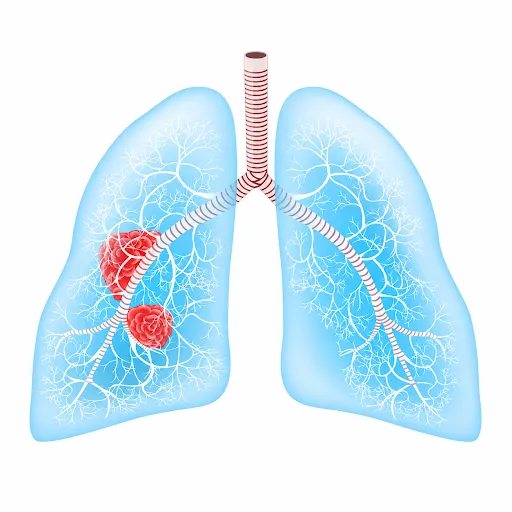
Stage 0 is "in situ," meaning the cancer is only on the very top layer of the lung lining.
Stages 1 and 2 mean the cancer is still mostly in the lung or nearby lymph nodes.
Stages 3 and 4 mean it has spread further into the chest or to other parts of the body, like the bones or liver.
Small Cell Lung Cancer (SCLC) Doctors use a special "code" called the TNM system to figure out the stage.
-
The T stands for Tumor (how big is it?)
The N stands for Node (has it reached the lymph nodes?)
The M stands for Metastasis (has it moved to other organs?)
By 2026, doctors will be using even more precise versions of this system to make sure they catch small differences, such as whether the cancer is in just one lymph node or several.
-
For small-cell lung cancer, doctors often use a simpler two-stage system.
-
The Limited Stage means the cancer is only on one side of the chest.
-
The Extensive Stage means the cancer has spread more widely across the lungs or to other areas.
Because SCLC grows very fast, doctors want to start treatment quickly, no matter which stage it is in.
|
NOTE: No matter the stage, it is important to remember that these classifications are just tools for the medical team. A stage 4 diagnosis today is very different from it was ten years ago because of new "smart" medicines. Your stage helps your doctor build your personal roadmap, but it doesn't define who you are or what your future holds. |
Questions to ask your doctor
One of the most powerful things you can do is come prepared with questions for your doctor. Research has shown that patients who actively participate in their own care tend to feel better about their treatment experience and often make decisions that line up with their own values and goals. Do not be afraid to ask questions, take notes during your appointments, or bring a trusted friend or family member along to help you remember what was said.
|
First, it is completely appropriate to seek a second opinion. Even doctors get second opinions! A second opinion does not mean you distrust your doctor; it means you are being thorough about your own health. Major cancer centers often have multidisciplinary lung cancer teams where specialists in surgery, radiation, medical oncology, and pathology all review your case together. If you are not already being seen at an academic center or by a lung specialist, it is worth asking your doctor about a referral. The more expertise involved in your care, the more confidence you can have in the plan that is put together for you. |
What do you need to know
-
The single most important question to start with is: "What type and stage of lung cancer do I have, and what does that mean for my treatment?" The answer to this question sets the foundation for everything else.
-
It helps to ask whether your cancer has been tested for specific gene mutations, such as EGFR, ALK, ROS1, or KRAS. Molecular diagnostics now play a pivotal role in guiding treatment strategies, with actionable genomic changes informing the use of targeted therapies in both early and advanced disease settings. Knowing your cancer's genetic profile can open the door to targeted therapies that may work much better than standard treatments.
-
Next, ask about your treatment options and what each one involves.
-
Since 2024, the NSCLC treatment landscape has undergone a transformative shift driven by 11 FDA approvals and advances in molecular profiling, targeted therapies, and immunotherapies, providing personalized treatment with improved patient outcomes. New options are becoming available regularly, and a clinical trial might give you access to a treatment that is not yet widely available.
-
What are my treatment choices?
What are the goals of each treatment
What side effects might I experience?
Which treatment do you recommend for me, and why?
Is there a clinical trial I might be eligible for?
Do not forget to ask about your support team and your quality of life.
-
Palliative care, which focuses on comfort and quality of life, can be helpful at any stage of cancer, not just at the end of life. Ask your doctor whether a palliative care team is available and when it might make sense to involve them.
-
Who else will be involved in my care?
What support services are available to my family and me?
You might also ask about what to watch for at home and who to call if you have a new or worsening symptom.
|
What’s Next: The next page in this guide is How is Lung Cancer Treated? If you would like to read another page in this guide, return to the Lung Cancer 101 Guides page and choose another topic. |
Lung Cancer Stages and Classifications
Last updated and reviewed on May 16, 2026.
Understanding Staging
Understanding your lung cancer stage is a major step in taking control of your health. Doctors use "staging" to describe exactly where the cancer is and how much it has grown. This helps them decide which treatments, like surgery or medicine, will work best for you.
What are the lung cancer stages and classifications?
-
Non-Small Cell Lung Cancer (NSCLC) is the most common type and is staged using a number system from 0 to 4.
-
Stage 0 is "in situ," meaning the cancer is only on the very top layer of the lung lining.
-
Stages 1 and 2 mean the cancer is still mostly in the lung or nearby lymph nodes.
-
Stages 3 and 4 mean it has spread further into the chest or to other parts of the body, like the bones or liver.
-
Small Cell Lung Cancer (SCLC) Doctors use a special "code" called the TNM system to figure out the stage.
-
The T stands for Tumor (how big is it?)
-
The N stands for Node (has it reached the lymph nodes?)
-
The M stands for Metastasis (has it moved to other organs?)
By 2026, doctors will be using even more precise versions of this system to make sure they catch small differences, such as whether the cancer is in just one lymph node or several.
-
For small-cell lung cancer, doctors often use a simpler two-stage system.
-
The Limited Stage means the cancer is only on one side of the chest.
-
The Extensive Stage means the cancer has spread more widely across the lungs or to other areas.
Because SCLC grows very fast, doctors want to start treatment quickly, no matter which stage it is in.
|
NOTE: No matter the stage, it is important to remember that these classifications are just tools for the medical team. A stage 4 diagnosis today is very different from it was ten years ago because of new "smart" medicines. Your stage helps your doctor build your personal roadmap, but it doesn't define who you are or what your future holds. |
Questions to ask your doctor
One of the most powerful things you can do is come prepared with questions for your doctor. Research has shown that patients who actively participate in their own care tend to feel better about their treatment experience and often make decisions that line up with their own values and goals. Do not be afraid to ask questions, take notes during your appointments, or bring a trusted friend or family member along to help you remember what was said.
|
First, it is completely appropriate to seek a second opinion. Even doctors get second opinions! A second opinion does not mean you distrust your doctor; it means you are being thorough about your own health. Major cancer centers often have multidisciplinary lung cancer teams where specialists in surgery, radiation, medical oncology, and pathology all review your case together. If you are not already being seen at an academic center or by a lung specialist, it is worth asking your doctor about a referral. The more expertise involved in your care, the more confidence you can have in the plan that is put together for you. |
What do you need to know
-
The single most important question to start with is: "What type and stage of lung cancer do I have, and what does that mean for my treatment?" The answer to this question sets the foundation for everything else.
-
It helps to ask whether your cancer has been tested for specific gene mutations, such as EGFR, ALK, ROS1, or KRAS. Molecular diagnostics now play a pivotal role in guiding treatment strategies, with actionable genomic changes informing the use of targeted therapies in both early and advanced disease settings. Knowing your cancer's genetic profile can open the door to targeted therapies that may work much better than standard treatments.
-
Next, ask about your treatment options and what each one involves.
-
Since 2024, the NSCLC treatment landscape has undergone a transformative shift driven by 11 FDA approvals and advances in molecular profiling, targeted therapies, and immunotherapies, providing personalized treatment with improved patient outcomes. New options are becoming available regularly, and a clinical trial might give you access to a treatment that is not yet widely available.
-
What are my treatment choices?
-
What are the goals of each treatment
-
What side effects might I experience?
-
Which treatment do you recommend for me, and why?
-
Is there a clinical trial I might be eligible for?
-
-
Do not forget to ask about your support team and your quality of life.
-
Palliative care, which focuses on comfort and quality of life, can be helpful at any stage of cancer, not just at the end of life. Ask your doctor whether a palliative care team is available and when it might make sense to involve them.
-
Who else will be involved in my care?
-
What support services are available to my family and me?
-
-
You might also ask about what to watch for at home and who to call if you have a new or worsening symptom.
|
What’s Next: The next page in this guide is How is Lung Cancer Treated? If you would like to read another page in this guide, return to the Lung Cancer 101 Guides page and choose another topic. |

Get the Latest Lung Cancer Updates, Delivered to You.
By subscribing to the HealthTree newsletter, you'll receive the latest research, treatment updates, and expert insights to help you navigate your health.
Together we care.
Together we cure.