![[logo] HealthTree Foundation](https://static.healthtree.org/icons/icon_spinner.svg)
![[logo] HealthTree Foundation](https://static.healthtree.org/logo_icon_only.svg)
Why People with Cancer Should Know Their Blood Type
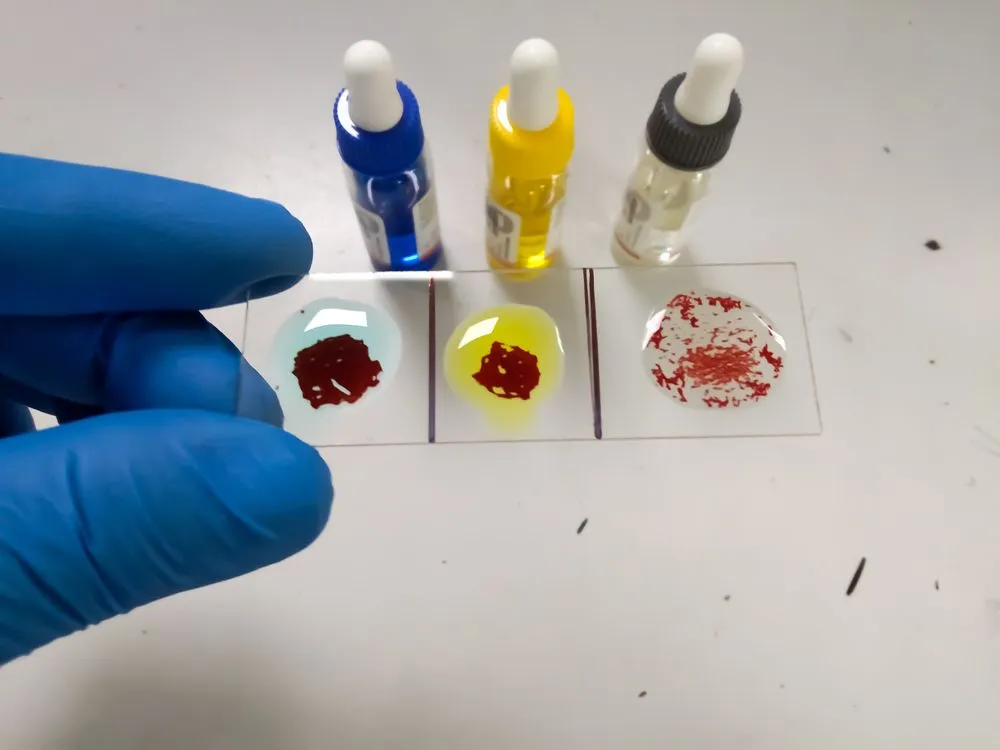


In cancer care, no matter what type of cancer you have, knowing your blood type is a key part of your health.
Even if you don’t have cancer, knowing your blood type is an important part of your health. If you need to donate blood, receive a transfusion, or in pregnancy, knowing your blood type is crucial.
ABO groups and Rh factor: How are blood types classified?
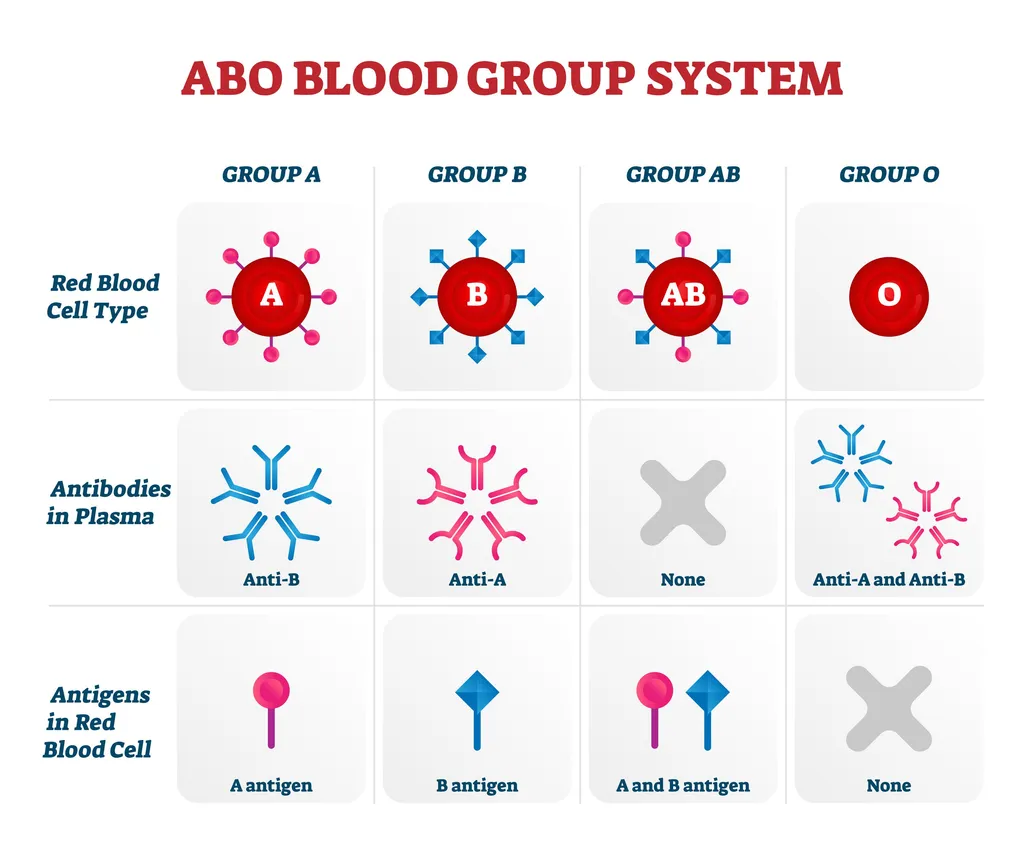
Blood types are determined by the presence or absence of specific proteins in red blood cells, called antigens. There are two main systems used to classify blood:
-
ABO System: This classifies blood into four major groups: A, B, AB, and O. Your type depends on which antigens you inherited from your parents.
Rh Factor: This is a separate classification system that works alongside the ABO system. It refers to a specific protein (the D antigen) found on the surface of red blood cells. If you have the protein, you are Rh positive; if you don't, you are Rh negative. Unlike the ABO system, where antibodies are usually present from birth, an Rh-negative person typically develops antibodies against Rh-positive blood only after exposure through a transfusion or pregnancy.
When these two systems are combined, they create the eight common blood types we recognize today, such as A+ or O-.
How to know your blood type?
You usually get tested to know your blood type at birth, and whenever you donate blood or receive a transfusion. In pregnancy, there is also a routine blood test to prevent immune reactions if the baby is Rh positive and the mother is Rh negative. You can find this information in your medical records, or ask your health team in your next appointment.
Knowing your blood type is vital because your immune system naturally produces antibodies against the antigens you don't have. For example, if you have Type A blood, your body has anti-B antibodies. If Type B blood enters your system, your antibodies will recognize it as "foreign" and attack it, leading to a dangerous transfusion reaction.
|
Blood Type |
Antigens Present |
Can give to |
Can receive from
O Negative
None
Everyone (Universal Donor)
O- only
O Positive
Rh
O+, A+, B+, AB+
O-, O+
A Negative
A
A-, A+, AB-, AB+
O-, A-
A Positive
A, Rh
A+, AB+
O-, O+, A-, A+
B Negative
B
B-, B+, AB-, AB+
O-, B-
B Positive
B, Rh
B+, AB+
O-, O+, B-, B+
AB Negative
A, B
AB-, AB+
O-, A-, B-, AB-
AB Positive
A, B, Rh
AB+ only
Everyone (Universal Recipient)
Why knowing your blood type is crucial during cancer treatment
During cancer treatment, it's common for some people to experience low blood cell counts. To restore blood cell counts, in some cases, people will need a transfusion.
If you receive a transfusion, the donated blood must be compatible with your own. If the blood types do not match, your immune system may see the new blood as an infection. This is because the blood cells that have antigens that don’t match the rest of your body’s antigens. This makes a very intense immune reaction inside the body called a transfusion reaction. Transfusion reactions can be very dangerous. Knowing your type helps the lab provide the safest match for your body every time.
In an emergency, doctors need to act quickly. While hospitals carry "universal donor" blood (type O negative) for crises, having your specific type on file allows the medical team to provide the exact match you need more efficiently.
Blood type changes after a stem cell transplant
One of the most unique aspects of blood type in cancer care happens during a stem cell or bone marrow transplant. If your donor has a different blood type than you, your blood type will actually change over time to match the donor's. The conversion often takes 3 to 6 months
This happens because the new stem cells take over and start producing blood in your bone marrow. Doctors closely monitor this shift to ensure the transplant is successful and the new immune system is working properly.
Tips to remember your blood type
Having your blood type at hand can be life-saving in emergencies, and vital to accelerate some processes in cancer care.
- Use your smartphone: Most modern smartphones have a "Medical ID" or "Emergency Information" feature. You can list your blood type here so that first responders can see it even if your phone is locked.
- The wallet card: Carry a small card in your wallet next to your insurance information that clearly lists your blood type and any known allergies.
- Use medical alert jewelry: A simple bracelet or necklace can speak for you in an emergency if you are unable to communicate.
- Check your records: You can usually find your blood type in your latest lab results or ask your hematologist during your next visit.
Stay informed. Read more news like this and stay tuned for our community events and programs with the HealthTree newsletter.
Sources:
In cancer care, no matter what type of cancer you have, knowing your blood type is a key part of your health.
Even if you don’t have cancer, knowing your blood type is an important part of your health. If you need to donate blood, receive a transfusion, or in pregnancy, knowing your blood type is crucial.
ABO groups and Rh factor: How are blood types classified?
Blood types are determined by the presence or absence of specific proteins in red blood cells, called antigens. There are two main systems used to classify blood:
-
ABO System: This classifies blood into four major groups: A, B, AB, and O. Your type depends on which antigens you inherited from your parents.
-
Rh Factor: This is a separate classification system that works alongside the ABO system. It refers to a specific protein (the D antigen) found on the surface of red blood cells. If you have the protein, you are Rh positive; if you don't, you are Rh negative. Unlike the ABO system, where antibodies are usually present from birth, an Rh-negative person typically develops antibodies against Rh-positive blood only after exposure through a transfusion or pregnancy.
When these two systems are combined, they create the eight common blood types we recognize today, such as A+ or O-.
How to know your blood type?
You usually get tested to know your blood type at birth, and whenever you donate blood or receive a transfusion. In pregnancy, there is also a routine blood test to prevent immune reactions if the baby is Rh positive and the mother is Rh negative. You can find this information in your medical records, or ask your health team in your next appointment.
Knowing your blood type is vital because your immune system naturally produces antibodies against the antigens you don't have. For example, if you have Type A blood, your body has anti-B antibodies. If Type B blood enters your system, your antibodies will recognize it as "foreign" and attack it, leading to a dangerous transfusion reaction.
|
Blood Type |
Antigens Present |
Can give to |
Can receive from |
|
O Negative |
None |
Everyone (Universal Donor) |
O- only |
|
O Positive |
Rh |
O+, A+, B+, AB+ |
O-, O+ |
|
A Negative |
A |
A-, A+, AB-, AB+ |
O-, A- |
|
A Positive |
A, Rh |
A+, AB+ |
O-, O+, A-, A+ |
|
B Negative |
B |
B-, B+, AB-, AB+ |
O-, B- |
|
B Positive |
B, Rh |
B+, AB+ |
O-, O+, B-, B+ |
|
AB Negative |
A, B |
AB-, AB+ |
O-, A-, B-, AB- |
|
AB Positive |
A, B, Rh |
AB+ only |
Everyone (Universal Recipient) |
Why knowing your blood type is crucial during cancer treatment
During cancer treatment, it's common for some people to experience low blood cell counts. To restore blood cell counts, in some cases, people will need a transfusion.
If you receive a transfusion, the donated blood must be compatible with your own. If the blood types do not match, your immune system may see the new blood as an infection. This is because the blood cells that have antigens that don’t match the rest of your body’s antigens. This makes a very intense immune reaction inside the body called a transfusion reaction. Transfusion reactions can be very dangerous. Knowing your type helps the lab provide the safest match for your body every time.
In an emergency, doctors need to act quickly. While hospitals carry "universal donor" blood (type O negative) for crises, having your specific type on file allows the medical team to provide the exact match you need more efficiently.
Blood type changes after a stem cell transplant
One of the most unique aspects of blood type in cancer care happens during a stem cell or bone marrow transplant. If your donor has a different blood type than you, your blood type will actually change over time to match the donor's. The conversion often takes 3 to 6 months
This happens because the new stem cells take over and start producing blood in your bone marrow. Doctors closely monitor this shift to ensure the transplant is successful and the new immune system is working properly.
Tips to remember your blood type
Having your blood type at hand can be life-saving in emergencies, and vital to accelerate some processes in cancer care.
- Use your smartphone: Most modern smartphones have a "Medical ID" or "Emergency Information" feature. You can list your blood type here so that first responders can see it even if your phone is locked.
- The wallet card: Carry a small card in your wallet next to your insurance information that clearly lists your blood type and any known allergies.
- Use medical alert jewelry: A simple bracelet or necklace can speak for you in an emergency if you are unable to communicate.
- Check your records: You can usually find your blood type in your latest lab results or ask your hematologist during your next visit.
Stay informed. Read more news like this and stay tuned for our community events and programs with the HealthTree newsletter.
Sources:

about the author
Jimena Vicencio
Jimena is an International Medical Graduate and a member of the HealthTree Writing team. Currently pursuing a bachelor's degree in journalism, she combines her medical background with a storyteller’s heart to make complex healthcare topics accessible to everyone. Driven by a deep belief that understanding health is a universal right, she is committed to translating scientific and medical knowledge into clear, compassionate language that empowers individuals to take control of their well-being.
More on Navigating Your Health










Get the Latest Leukemia Updates, Delivered to You.
By subscribing to the HealthTree newsletter, you'll receive the latest research, treatment updates, and expert insights to help you navigate your health.
Together we care.
Together we cure.