![[logo] HealthTree Foundation](https://static.healthtree.org/icons/icon_spinner.svg)
![[logo] HealthTree Foundation](https://static.healthtree.org/logo_icon_only.svg)
5 Early Signs and Symptoms of Kidney Disease (CKD)
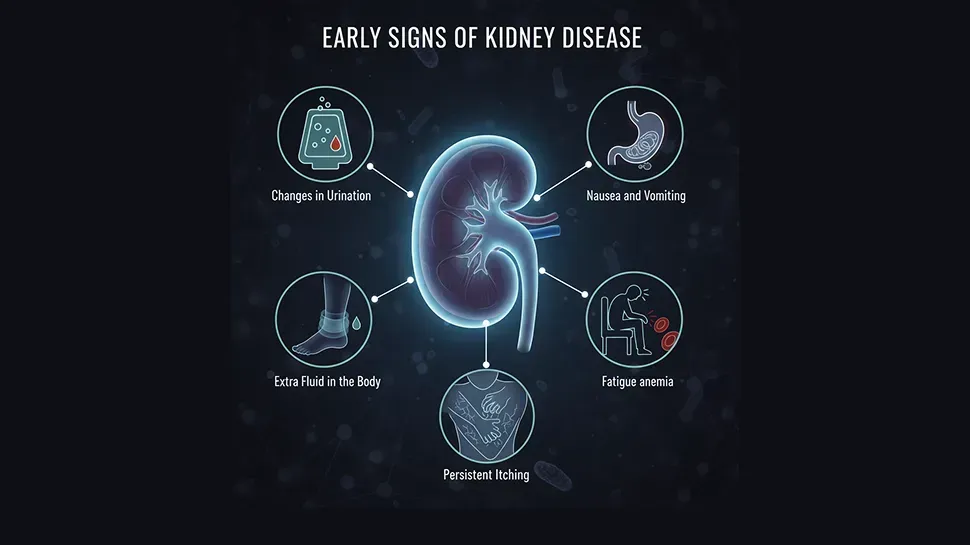


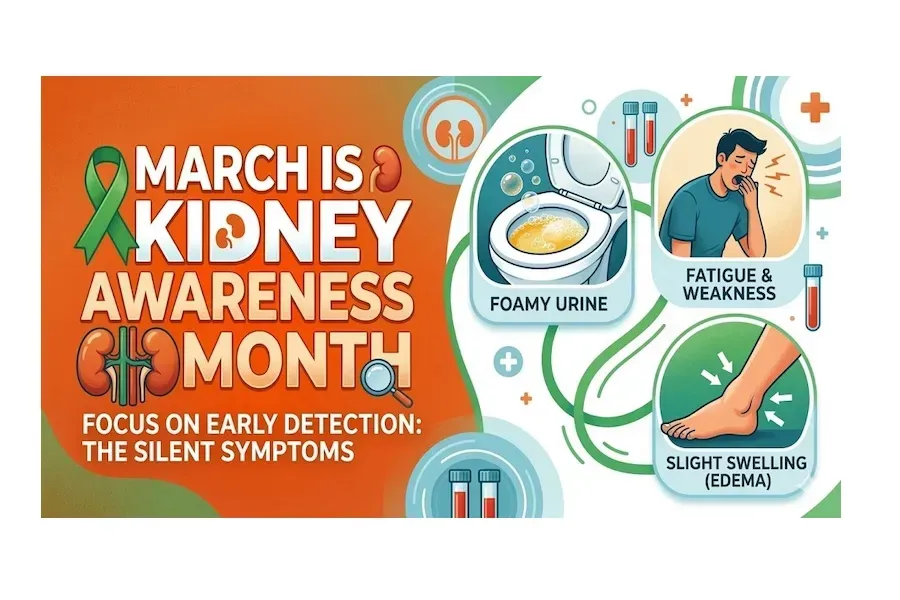
Early-stage kidney disease often has no symptoms, so it’s crucial to be aware of any subtle signs you should not ignore. “Identifying the early signs of kidney disease can lead to effective treatment and better health outcomes.” Early detection can make a significant difference in how kidney disease advances and any direct complications.
Top 5 Early Symptoms of Chronic Kidney Disease (CKD)
URINARY CHANGES: FOAMY URINE & FREQUENCY
-
Increased Frequency: You may have the need to urinate more often, especially at night.
-
Foamy Or Bubbly Urine: This can indicate that protein is leaking from the kidneys into the urine.
Blood In Your Urine: Healthy kidneys keep blood cells in the body. So, any blood in the urine indicates that there is damage to the kidneys.
Reduced Urine Output: You may have a noticeable change in the amount of urine you pass.
FLUID RETENTION & SWELLING (EDEMA)
-
Puffiness: Kidneys help remove extra fluid from your body. When the kidneys are damaged, there is fluid retention, which can cause swelling in the hands, feet, ankles, or around the eyes.
Shortness Of Breath: This can happen when extra fluid builds up in the lungs.
PERSISTENT ITCHING (PRURITUS) AND DRY SKIN
-
Itching can be mild or severe and is caused by waste buildup in the bloodstream.
-
The itching can be intense, like it’s coming from deep within the body, and it is not relieved by scratching.
Dry Skin: Shrinking sweat glands can cause very dry skin, which contributes to the itching.
Electrolyte Imbalance: Extra phosphorus in the blood (healthy kidneys filter the proper amount of phosphorus in the blood) can lead to itching. Your doctor may recommend changes to your diet to manage a phosphorus imbalance.
It can feel like a crawling, prickling, or stinging sensation. Check your medications. Some drugs, like morphine-based painkillers, can make itching worse.
EXTREME FATIGUE AND ANEMIA
-
Buildup Of Toxins: When the kidneys don’t work properly, they can’t filter out waste and toxins from the blood. This leads to feeling unwell and exhausted.
-
Anemia: Healthy kidneys produce a hormone called erythropoietin that signals the body to create red blood cells. With kidney disease, this hormone decreases, which leads to a shortage of red blood cells. This is the cause of anemia and extreme tiredness that does not improve with rest.
-
Low Oxygen: Without enough red blood cells, the body’s muscles and brain don’t receive adequate oxygen. This leads to weakness, fatigue, and difficulty concentrating.
-
Sleep Disturbances: Many people with kidney disease experience sleep problems (the buildup of toxins can make it difficult to sleep), like insomnia, sleep apnea, and restless leg syndrome. This makes fatigue even worse.
NAUSEA AND VOMITING FROM TOXIN BUILDUP
-
When kidneys start to fail, there is a buildup of waste in the blood. These toxins trigger the part of the brain that controls vomiting.
-
Medications: Some medicines used to treat kidney disease can cause nausea. Ask your doctor if changing your drugs may help. Or, your doctor may be able to prescribe anti-nausea medication, such as Zofran.
-
Infections: These may cause nausea and vomiting (with other symptoms like a fever and back pain). Try to eat smaller and more frequent meals to help with this symptom.
Dialysis: Patients may experience nausea because dialysis does not clear out all of the toxins in the blood. Your doctor may be able to adjust your dialysis to completely clear the toxins from your body.
Learn More About Kidney Disease (CKD) From HealthTree
Kidney Disease Signs And Symptoms
Treatment Options For Kidney Disease
Early-stage kidney disease often has no symptoms, so it’s crucial to be aware of any subtle signs you should not ignore. “Identifying the early signs of kidney disease can lead to effective treatment and better health outcomes.” Early detection can make a significant difference in how kidney disease advances and any direct complications.
Top 5 Early Symptoms of Chronic Kidney Disease (CKD)
URINARY CHANGES: FOAMY URINE & FREQUENCY
-
Increased Frequency: You may have the need to urinate more often, especially at night.
-
Foamy Or Bubbly Urine: This can indicate that protein is leaking from the kidneys into the urine.
-
Blood In Your Urine: Healthy kidneys keep blood cells in the body. So, any blood in the urine indicates that there is damage to the kidneys.
-
Reduced Urine Output: You may have a noticeable change in the amount of urine you pass.
FLUID RETENTION & SWELLING (EDEMA)
-
Puffiness: Kidneys help remove extra fluid from your body. When the kidneys are damaged, there is fluid retention, which can cause swelling in the hands, feet, ankles, or around the eyes.
-
Shortness Of Breath: This can happen when extra fluid builds up in the lungs.
PERSISTENT ITCHING (PRURITUS) AND DRY SKIN
-
Itching can be mild or severe and is caused by waste buildup in the bloodstream.
-
The itching can be intense, like it’s coming from deep within the body, and it is not relieved by scratching.
-
Dry Skin: Shrinking sweat glands can cause very dry skin, which contributes to the itching.
-
Electrolyte Imbalance: Extra phosphorus in the blood (healthy kidneys filter the proper amount of phosphorus in the blood) can lead to itching. Your doctor may recommend changes to your diet to manage a phosphorus imbalance.
-
It can feel like a crawling, prickling, or stinging sensation. Check your medications. Some drugs, like morphine-based painkillers, can make itching worse.
EXTREME FATIGUE AND ANEMIA
-
Buildup Of Toxins: When the kidneys don’t work properly, they can’t filter out waste and toxins from the blood. This leads to feeling unwell and exhausted.
-
Anemia: Healthy kidneys produce a hormone called erythropoietin that signals the body to create red blood cells. With kidney disease, this hormone decreases, which leads to a shortage of red blood cells. This is the cause of anemia and extreme tiredness that does not improve with rest.
-
Low Oxygen: Without enough red blood cells, the body’s muscles and brain don’t receive adequate oxygen. This leads to weakness, fatigue, and difficulty concentrating.
-
Sleep Disturbances: Many people with kidney disease experience sleep problems (the buildup of toxins can make it difficult to sleep), like insomnia, sleep apnea, and restless leg syndrome. This makes fatigue even worse.
NAUSEA AND VOMITING FROM TOXIN BUILDUP
-
When kidneys start to fail, there is a buildup of waste in the blood. These toxins trigger the part of the brain that controls vomiting.
-
Medications: Some medicines used to treat kidney disease can cause nausea. Ask your doctor if changing your drugs may help. Or, your doctor may be able to prescribe anti-nausea medication, such as Zofran.
-
Infections: These may cause nausea and vomiting (with other symptoms like a fever and back pain). Try to eat smaller and more frequent meals to help with this symptom.
-
Dialysis: Patients may experience nausea because dialysis does not clear out all of the toxins in the blood. Your doctor may be able to adjust your dialysis to completely clear the toxins from your body.
Learn More About Kidney Disease (CKD) From HealthTree
Kidney Disease Signs And Symptoms
Treatment Options For Kidney Disease

about the author
Lisa Foster
Lisa Foster is a mom of 3 daughters and 1 perfect grandchild, a puzzle lover, writer and HealthTree advocate. She believes in the mission of the foundation and the team that builds it forward. She calls Houston, Texas home.
More on Core Education


Trending Articles




Get the Latest Kidney Cancer Updates, Delivered to You.
By subscribing to the HealthTree newsletter, you'll receive the latest research, treatment updates, and expert insights to help you navigate your health.
Together we care.
Together we cure.