![[logo] HealthTree Foundation](https://static.healthtree.org/icons/icon_spinner.svg)
![[logo] HealthTree Foundation](https://static.healthtree.org/logo_icon_only.svg)
Improving Chronic Inflammation and Gut Health for People with MPNs: Latest Research
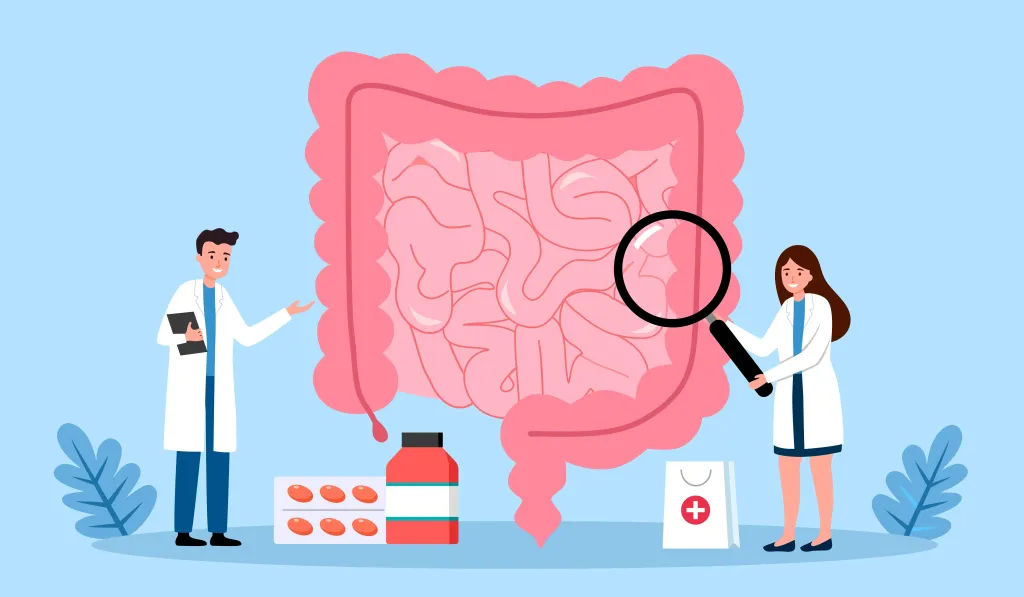


Chronic inflammation plays a central role in myeloproliferative neoplasms (MPNs). It contributes to disease progression and blood clot risk. Recent research from the American Society of Hematology (ASH) Annual Meeting suggests that the health of your microbiome, which is bacteria living in the digestive tract, may be an important and previously overlooked driver of this inflammation.
Gut health and its connection to MPN inflammation may open a new path for improving quality of life and reducing complications for people with MPNs.
What causes inflammation in MPN?
Inflammation is the body’s response to harmful substances or stimuli, such as injuries or stress. It is characterized by visible symptoms such as: redness, heat, swelling, pain, and lost function. It can also occur inside the body without us realizing it, and increase the risk of complications such as blood clots and organ damage.
MPNs are often driven by genetic mutations, most commonly the JAK2 V617F mutation. This mutation causes the bone marrow to overproduce inflammatory blood cells, which release high levels of cytokines. These act as messengers for the immune system, and coordinate cell communication.
Cytokines, under normal conditions help the body heal after injuries or infections. But too many defective cells releasing cytokines creates inflammation.
What is the gut microbiome, and why does it matter in MPN?
The gut microbiome is the bacterial ecosystem in the intestines. It helps break down nutrients to be better absorbed, regulate the immune system, and control inflammation throughout the body.
When this balance is disrupted, a condition called dysbiosis occurs. It can be due to chronic antibiotic use, malnutrition, or dietary habits. Other conditions that result from disbiosis are SIBO (small intestinal bacterial overgrowth), when “good bacteria” are overruled by the “bad bacteria” causing symptoms like bloating, gas, diarrhea, abdominal pain, and poor nutrient absorption.
People with MPNs often experience gut dysbiosis and are 40% more likely to have inflammatory bowel disease, suggesting a weakened intestinal barrier. This allows bacterial components to leak into the bloodstream, triggering immune activation.
How is gut dysfunction linked to blood clots in MPN?
Blood clots in the abdominal veins, known as splanchnic vein thrombosis (SVT), occur more frequently in MPN patients. Researchers in this study believe that bacterial signals passing from the gut to the liver may promote clot formation.
Higher levels of lipopolysaccharide-binding protein (LBP), a marker of bacterial activity, were found in MPN patients who experienced SVT, supporting a connection between gut health and clot risk.
So far, studies in mice have revealed increased intestinal inflammation is linked to clotting events.
In mice with the JAK2 V617F mutation, researchers observed clear gut dysbiosis, increased intestinal inflammation, and more frequent clotting events. These mice were also more vulnerable to intestinal injury, losing weight rapidly and experiencing higher mortality when gut inflammation was induced.
These findings suggest that beyond affecting blood cell production, the JAK2 mutation can weaken the gut barrier.
Can changing gut bacteria reduce inflammation and clot risk?
When JAK2 V617F mice were treated with the antibiotic vancomycin, researchers observed the following:
- Lower white blood cell and monocyte counts
- Reduced inflammatory signals in the bone marrow and liver
- Fewer abnormal megakaryocytes
- Improved heart structure and reduced cardiac thickening
- Decreased expression of adhesion molecules linked to clot formation
Together, these changes pointed to reduced systemic inflammation and improved cardiovascular health.
Does this mean antibiotics are a treatment for MPN?
Using long-term antibiotics is not safe or practical for people with MPNs. However, these findings provide proof of concept that targeting the gut–immune connection can meaningfully reduce inflammation.
This opens up possibilities for more accessible and supportive therapies, such as the use of probiotics, dietary adjustments, and other approaches that help maintain a healthy gut microbiome.
Why is this research important for people living with MPN?
This study highlights the gut as a powerful regulator of inflammation in MPN. By improving gut health, it may be possible to reduce chronic inflammation, lower the risk of blood clots, and support overall well-being.
Living with MPN is about more than managing blood counts, it’s about supporting your whole body. By paying attention to gut health and inflammation, patients and caregivers may gain new tools to improve long-term outcomes and quality of life.
Watch our free educational webinar with expert speaker Dr. Casey O’Connell MD
Navigating Nutrition: Vitamins, Supplements & MPNs
Read more comprehensive articles about nutrition and MPN:
- Curcumin for MPN: Exploring a Natural Compound’s Potential
- How To Safely Incorporate Complementary Medicine in Cancer Care
- Could Papaya Leaf Extract Help Treat Chemotherapy-Induced Thrombocytopenia?
Sources:
Chronic inflammation plays a central role in myeloproliferative neoplasms (MPNs). It contributes to disease progression and blood clot risk. Recent research from the American Society of Hematology (ASH) Annual Meeting suggests that the health of your microbiome, which is bacteria living in the digestive tract, may be an important and previously overlooked driver of this inflammation.
Gut health and its connection to MPN inflammation may open a new path for improving quality of life and reducing complications for people with MPNs.
What causes inflammation in MPN?
Inflammation is the body’s response to harmful substances or stimuli, such as injuries or stress. It is characterized by visible symptoms such as: redness, heat, swelling, pain, and lost function. It can also occur inside the body without us realizing it, and increase the risk of complications such as blood clots and organ damage.
MPNs are often driven by genetic mutations, most commonly the JAK2 V617F mutation. This mutation causes the bone marrow to overproduce inflammatory blood cells, which release high levels of cytokines. These act as messengers for the immune system, and coordinate cell communication.
Cytokines, under normal conditions help the body heal after injuries or infections. But too many defective cells releasing cytokines creates inflammation.
What is the gut microbiome, and why does it matter in MPN?
The gut microbiome is the bacterial ecosystem in the intestines. It helps break down nutrients to be better absorbed, regulate the immune system, and control inflammation throughout the body.
When this balance is disrupted, a condition called dysbiosis occurs. It can be due to chronic antibiotic use, malnutrition, or dietary habits. Other conditions that result from disbiosis are SIBO (small intestinal bacterial overgrowth), when “good bacteria” are overruled by the “bad bacteria” causing symptoms like bloating, gas, diarrhea, abdominal pain, and poor nutrient absorption.
People with MPNs often experience gut dysbiosis and are 40% more likely to have inflammatory bowel disease, suggesting a weakened intestinal barrier. This allows bacterial components to leak into the bloodstream, triggering immune activation.
How is gut dysfunction linked to blood clots in MPN?
Blood clots in the abdominal veins, known as splanchnic vein thrombosis (SVT), occur more frequently in MPN patients. Researchers in this study believe that bacterial signals passing from the gut to the liver may promote clot formation.
Higher levels of lipopolysaccharide-binding protein (LBP), a marker of bacterial activity, were found in MPN patients who experienced SVT, supporting a connection between gut health and clot risk.
So far, studies in mice have revealed increased intestinal inflammation is linked to clotting events.
In mice with the JAK2 V617F mutation, researchers observed clear gut dysbiosis, increased intestinal inflammation, and more frequent clotting events. These mice were also more vulnerable to intestinal injury, losing weight rapidly and experiencing higher mortality when gut inflammation was induced.
These findings suggest that beyond affecting blood cell production, the JAK2 mutation can weaken the gut barrier.
Can changing gut bacteria reduce inflammation and clot risk?
When JAK2 V617F mice were treated with the antibiotic vancomycin, researchers observed the following:
- Lower white blood cell and monocyte counts
- Reduced inflammatory signals in the bone marrow and liver
- Fewer abnormal megakaryocytes
- Improved heart structure and reduced cardiac thickening
- Decreased expression of adhesion molecules linked to clot formation
Together, these changes pointed to reduced systemic inflammation and improved cardiovascular health.
Does this mean antibiotics are a treatment for MPN?
Using long-term antibiotics is not safe or practical for people with MPNs. However, these findings provide proof of concept that targeting the gut–immune connection can meaningfully reduce inflammation.
This opens up possibilities for more accessible and supportive therapies, such as the use of probiotics, dietary adjustments, and other approaches that help maintain a healthy gut microbiome.
Why is this research important for people living with MPN?
This study highlights the gut as a powerful regulator of inflammation in MPN. By improving gut health, it may be possible to reduce chronic inflammation, lower the risk of blood clots, and support overall well-being.
Living with MPN is about more than managing blood counts, it’s about supporting your whole body. By paying attention to gut health and inflammation, patients and caregivers may gain new tools to improve long-term outcomes and quality of life.
Watch our free educational webinar with expert speaker Dr. Casey O’Connell MD
Navigating Nutrition: Vitamins, Supplements & MPNs
Read more comprehensive articles about nutrition and MPN:
- Curcumin for MPN: Exploring a Natural Compound’s Potential
- How To Safely Incorporate Complementary Medicine in Cancer Care
- Could Papaya Leaf Extract Help Treat Chemotherapy-Induced Thrombocytopenia?
Sources:

about the author
Jimena Vicencio
Jimena is an International Medical Graduate and a member of the HealthTree Writing team. Currently pursuing a bachelor's degree in journalism, she combines her medical background with a storyteller’s heart to make complex healthcare topics accessible to everyone. Driven by a deep belief that understanding health is a universal right, she is committed to translating scientific and medical knowledge into clear, compassionate language that empowers individuals to take control of their well-being.
More on Navigating Your Health






Trending Articles


Get the Latest Essential Thrombocythemia Updates, Delivered to You.
By subscribing to the HealthTree newsletter, you'll receive the latest research, treatment updates, and expert insights to help you navigate your health.
Together we care.
Together we cure.