![[logo] HealthTree Foundation](https://static.healthtree.org/icons/icon_spinner.svg)
![[logo] HealthTree Foundation](https://static.healthtree.org/logo_icon_only.svg)
How Should CLL Treatments Be Sequenced?
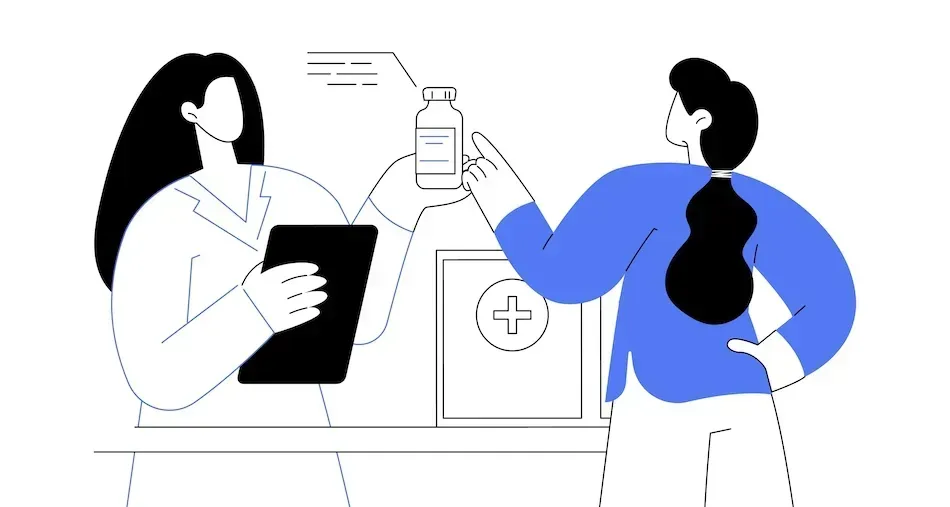


In this article, you’ll learn when treatment for chronic lymphocytic leukemia (CLL) usually starts, which therapies are often used first, what happens when one treatment stops working, and how specialists think about the order - or “sequence” - of therapies over time.
Want to learn more from CLL specialists about this topic? Watch a HealthTree roundtable here, featuring CLL experts Nicole Lamanna, MD, Bita Fakhri, MD, MPH, and Deborah Stephens, DO.
Why treatment order matters in CLL
Many people with CLL will need more than one treatment. Today, there are several effective options. Having a variety to choose from can be helpful, but it can also make decisions feel confusing.
Treatment sequencing means choosing which therapy to use first, what to switch to next, and how to plan future options. Understanding this can help you talk with your care team, weigh trade-offs, and feel more prepared for what may come later.
When to start treatment for CLL
Not everyone with CLL needs treatment right away. Many people are safely monitored for years in a watch-and-wait or active monitoring period.
Doctors usually recommend starting treatment when there are clear signs of active CLL, such as:
- Dropping red blood cells (anemia), which can cause tiredness or shortness of breath
- Low platelets, which can lead to easy bruising or bleeding
- Lymph nodes or spleen getting large enough to cause pain or pressure
- Unplanned weight loss, drenching night sweats, or fevers without infection
- Rapidly rising white blood cell counts
- Frequent or serious infections
These signs matter because they show that CLL is affecting your overall health. Treating too early can expose you to side effects without clear benefit, so specialists aim to start therapy when it is truly needed.
How doctors choose your first CLL treatment
Once treatment is needed, your care team looks at several factors:
- Age and other health conditions
- Genetic test results, such as TP53 changes or IGHV mutation status
- Your preferences about treatment length and visits
- Possible side effects and heart health
Common first treatments for CLL include:
BTK inhibitors. These daily pills include ibrutinib (Imbruvica), acalabrutinib (Calquence), or zanubrutinib (Brukinsa). BTK inhibitors block the BTK protein that CLL cells use to grow and survive.
BCL-2 inhibitor. Venetoclax (Venclexta) is a BCL-2 inhibitor that is often combined with an antibody such as obinutuzumab (Gazyva). This medicine helps CLL cells self-destruct.
Anti-CD20 monoclonal antibodies. These medications, which include obinutuzumab (Gazyva) or rituximab (Rituxan), are usually given by intravenous (IV) infusion. They target the CD20 protein found on B cells.
These options often manage CLL for years with fewer long-term side effects than older chemotherapy regimens.
What happens after the first treatment for CLL?
If CLL becomes active again or side effects outweigh the benefits of treatment, your doctor will plan the next step based on what you have already received:
- After a BTK inhibitor, many people switch to venetoclax plus an antibody.
- After a time-limited venetoclax–antibody course, if your CLL stayed under control for a year or more, you might be able to repeat that approach or move to a BTK inhibitor.
- If you stopped a BTK inhibitor due to side effects (not CLL growth), another BTK inhibitor may work better and be easier to tolerate.
Later treatment options, including CAR T-cell therapy, for CLL
For people who have already had several CLL therapies, specialists may consider:
- Next-generation BTK inhibitors, such as pirtobrutinib (Jaypirca), which can work even when other BTK inhibitors no longer help.
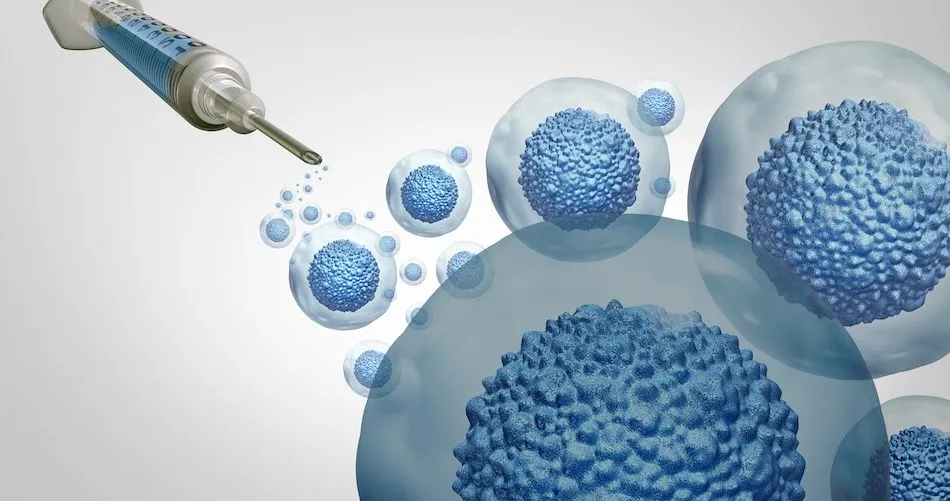
- CAR T-cell therapy liso-cel (Breyanzi), which involves collecting your own immune cells, training them in a lab to recognize CLL, and giving them back through an IV.
- New therapies and treatment combinations in clinical trials.
Knowing these options exist can help you plan ahead and ask informed questions if your CLL returns.
Daily steps that may support your health if you have CLL
During the roundtable, CLL specialists also discussed everyday actions that may help you stay as healthy as possible:
- Regular physical activity, adjusted to your energy level
- Checking and correcting low vitamin D levels with a registered dietitian
- Staying up to date on recommended (non-live) vaccines
- Talking with your doctor before starting any vitamins or supplements
- Managing stress and getting support from family, friends, support groups, and licensed therapists
These steps do not replace treatment, but they can support your body and improve your quality of life while living with CLL.
Key takeaways for people with CLL
A CLL specialist can help you identify when you need to start treatment and how to sequence therapies based on your health, test results, and preferences. Staying informed and asking about clinical trials can help you navigate current options and future choices with more clarity.
In this article, you’ll learn when treatment for chronic lymphocytic leukemia (CLL) usually starts, which therapies are often used first, what happens when one treatment stops working, and how specialists think about the order - or “sequence” - of therapies over time.
Want to learn more from CLL specialists about this topic? Watch a HealthTree roundtable here, featuring CLL experts Nicole Lamanna, MD, Bita Fakhri, MD, MPH, and Deborah Stephens, DO.
Why treatment order matters in CLL
Many people with CLL will need more than one treatment. Today, there are several effective options. Having a variety to choose from can be helpful, but it can also make decisions feel confusing.
Treatment sequencing means choosing which therapy to use first, what to switch to next, and how to plan future options. Understanding this can help you talk with your care team, weigh trade-offs, and feel more prepared for what may come later.
When to start treatment for CLL
Not everyone with CLL needs treatment right away. Many people are safely monitored for years in a watch-and-wait or active monitoring period.
Doctors usually recommend starting treatment when there are clear signs of active CLL, such as:
- Dropping red blood cells (anemia), which can cause tiredness or shortness of breath
- Low platelets, which can lead to easy bruising or bleeding
- Lymph nodes or spleen getting large enough to cause pain or pressure
- Unplanned weight loss, drenching night sweats, or fevers without infection
- Rapidly rising white blood cell counts
- Frequent or serious infections
These signs matter because they show that CLL is affecting your overall health. Treating too early can expose you to side effects without clear benefit, so specialists aim to start therapy when it is truly needed.
How doctors choose your first CLL treatment
Once treatment is needed, your care team looks at several factors:
- Age and other health conditions
- Genetic test results, such as TP53 changes or IGHV mutation status
- Your preferences about treatment length and visits
- Possible side effects and heart health
Common first treatments for CLL include:
BTK inhibitors. These daily pills include ibrutinib (Imbruvica), acalabrutinib (Calquence), or zanubrutinib (Brukinsa). BTK inhibitors block the BTK protein that CLL cells use to grow and survive.
BCL-2 inhibitor. Venetoclax (Venclexta) is a BCL-2 inhibitor that is often combined with an antibody such as obinutuzumab (Gazyva). This medicine helps CLL cells self-destruct.
Anti-CD20 monoclonal antibodies. These medications, which include obinutuzumab (Gazyva) or rituximab (Rituxan), are usually given by intravenous (IV) infusion. They target the CD20 protein found on B cells.
These options often manage CLL for years with fewer long-term side effects than older chemotherapy regimens.
What happens after the first treatment for CLL?
If CLL becomes active again or side effects outweigh the benefits of treatment, your doctor will plan the next step based on what you have already received:
- After a BTK inhibitor, many people switch to venetoclax plus an antibody.
- After a time-limited venetoclax–antibody course, if your CLL stayed under control for a year or more, you might be able to repeat that approach or move to a BTK inhibitor.
- If you stopped a BTK inhibitor due to side effects (not CLL growth), another BTK inhibitor may work better and be easier to tolerate.
Later treatment options, including CAR T-cell therapy, for CLL
For people who have already had several CLL therapies, specialists may consider:
- Next-generation BTK inhibitors, such as pirtobrutinib (Jaypirca), which can work even when other BTK inhibitors no longer help.
- CAR T-cell therapy liso-cel (Breyanzi), which involves collecting your own immune cells, training them in a lab to recognize CLL, and giving them back through an IV.
- New therapies and treatment combinations in clinical trials.
Knowing these options exist can help you plan ahead and ask informed questions if your CLL returns.
Daily steps that may support your health if you have CLL
During the roundtable, CLL specialists also discussed everyday actions that may help you stay as healthy as possible:
- Regular physical activity, adjusted to your energy level
- Checking and correcting low vitamin D levels with a registered dietitian
- Staying up to date on recommended (non-live) vaccines
- Talking with your doctor before starting any vitamins or supplements
- Managing stress and getting support from family, friends, support groups, and licensed therapists
These steps do not replace treatment, but they can support your body and improve your quality of life while living with CLL.
Key takeaways for people with CLL
A CLL specialist can help you identify when you need to start treatment and how to sequence therapies based on your health, test results, and preferences. Staying informed and asking about clinical trials can help you navigate current options and future choices with more clarity.

about the author
Megan Heaps
Megan joined HealthTree in 2022. She enjoys helping patients and their care partners understand the various aspects of the cancer. This understanding enables them to better advocate for themselves and improve their treatment outcomes.
More on Core Education





Trending Articles





Get the Latest Chronic Lymphocytic Leukemia Updates, Delivered to You.
By subscribing to the HealthTree newsletter, you'll receive the latest research, treatment updates, and expert insights to help you navigate your health.
Together we care.
Together we cure.