![[logo] HealthTree Foundation](https://static.healthtree.org/icons/icon_spinner.svg)
![[logo] HealthTree Foundation](https://static.healthtree.org/logo_icon_only.svg)
Can mRNA Vaccines Improve Outcomes for People Who Receive CAR T-cell Therapy?
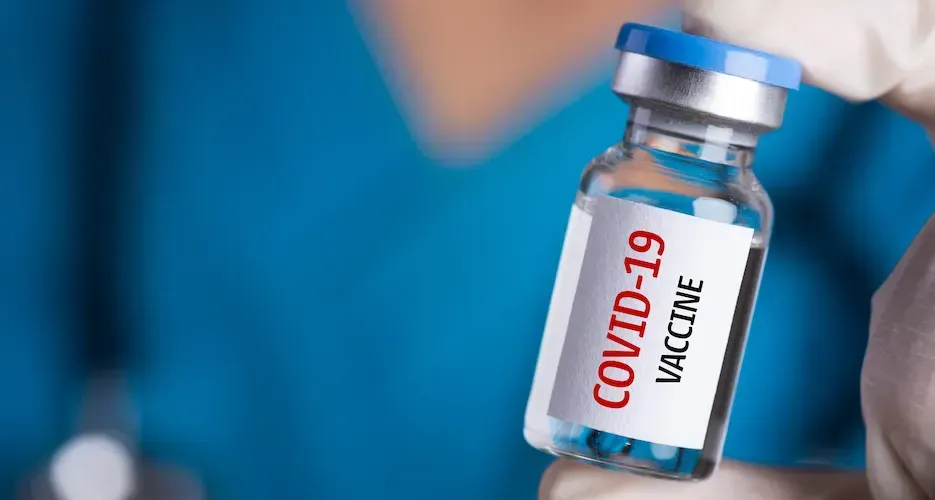


Research presented at the American Society of Clinical Oncology (ASCO) Annual Meeting showed that chimeric antigen receptor (CAR) T-cell therapy recipients who had a COVID-19 vaccine lived longer than patients who did not receive a vaccine.
How CAR T-cell therapy and mRNA vaccines work
CAR T-cell therapy is a type of immunotherapy. It works by using a person’s own genetically modified cells to target cancer cells. This therapy has changed the treatment landscape for people with blood cancer. A doctor may recommend CAR T-cell therapy when a cancer does not respond well to other treatments or keeps coming back.
Several CAR T-cell therapies have been approved by the U.S. Food and Drug Administration (FDA) to treat blood cancers, including leukemia, lymphoma, and multiple myeloma.
Messenger RNA (mRNA) vaccines help the body learn to fight off certain infections. They work by introducing a molecule to the body that activates your immune system and teaches it to recognize and fight a specific virus in the future.
Recent research has suggested that mRNA vaccines may boost the effects of CAR T-cell therapy. This study was designed to better understand why.
How the study was designed
Researchers conducted a retrospective study to learn more about the association between the COVID-19 vaccine and inflammatory responses. A retrospective study compares two similar groups of people. In this study, it compared people with blood cancer who had received COVID-19 vaccines and those who had not.
They collected data from the TriNetX Global Federated Health Research Network (TriNetX). TriNetX is a database that uses real-world health data and artificial intelligence (AI) to support healthcare innovation.
Patients treated with CAR-T who received the COVID-19 mRNA vaccine had better outcomes
People who were vaccinated against COVID-19 had better long-term survival than people who were unvaccinated. Researchers adjusted for age, sex, cancer type, and other health conditions. They found that those who were vaccinated had a lower risk of death over three years than those who were not vaccinated.
Cytokine release syndrome (CRS) is an immune response that occurs when an excess of cytokines (proteins) are released into the bloodstream. This leads to inflammation that can damage organs and tissues. CRS is classified by grades that range from one (more mild) to four (more severe). People who had received vaccines had more cases of low grade CRS (1-2) than those who were not vaccinated.
Immune effector cell-associated neurotoxicity syndrome (ICANS) is a neurological response that occurs when immune cells fight healthy nerves and cause inflammation. ICANS can cause brain damage and in some cases can lead to death. There was not a significant difference in neurotoxicity between vaccinated and unvaccinated patients.
More research is needed
This study is an important finding for understanding the relationship between mRNA vaccines and CAR-T, but more research is needed. Other factors that may cause better long-term survival could include:
- Overall health
- Access to care
- Treatment history
Getting a COVID-19 vaccine after CAR-T can help protect you against serious illness
Though more research is needed to better understand the findings of this study, we do know that getting a COVID vaccine is an important way to protect yourself and others from serious illness. COVID-19 vaccines reduce the risk of hospitalization and complications.
When you get your COVID-19 vaccine after CAR-T therapy matters. People who have had CAR-T therapy are at a higher risk of complications from COVID-19 than the average person. Recent research suggests that getting a COVID-19 vaccine 3 to 4 months after your transplant is the best time.
If you have questions about getting a COVID vaccine, speak with your healthcare provider to learn more about your options and make an informed decision.
Contribute to research, contribute to a cure
HealthTree offers short surveys about diagnosis, treatments, and side effects to help researchers learn more about cancer. Your answers can move research forward. Click the link below to access simple surveys that can help researchers better understand how people are affected by cancer and respond to treatment.
Sources:
Research presented at the American Society of Clinical Oncology (ASCO) Annual Meeting showed that chimeric antigen receptor (CAR) T-cell therapy recipients who had a COVID-19 vaccine lived longer than patients who did not receive a vaccine.
How CAR T-cell therapy and mRNA vaccines work
CAR T-cell therapy is a type of immunotherapy. It works by using a person’s own genetically modified cells to target cancer cells. This therapy has changed the treatment landscape for people with blood cancer. A doctor may recommend CAR T-cell therapy when a cancer does not respond well to other treatments or keeps coming back.
Several CAR T-cell therapies have been approved by the U.S. Food and Drug Administration (FDA) to treat blood cancers, including leukemia, lymphoma, and multiple myeloma.
Messenger RNA (mRNA) vaccines help the body learn to fight off certain infections. They work by introducing a molecule to the body that activates your immune system and teaches it to recognize and fight a specific virus in the future.
Recent research has suggested that mRNA vaccines may boost the effects of CAR T-cell therapy. This study was designed to better understand why.
How the study was designed
Researchers conducted a retrospective study to learn more about the association between the COVID-19 vaccine and inflammatory responses. A retrospective study compares two similar groups of people. In this study, it compared people with blood cancer who had received COVID-19 vaccines and those who had not.
They collected data from the TriNetX Global Federated Health Research Network (TriNetX). TriNetX is a database that uses real-world health data and artificial intelligence (AI) to support healthcare innovation.
Patients treated with CAR-T who received the COVID-19 mRNA vaccine had better outcomes
People who were vaccinated against COVID-19 had better long-term survival than people who were unvaccinated. Researchers adjusted for age, sex, cancer type, and other health conditions. They found that those who were vaccinated had a lower risk of death over three years than those who were not vaccinated.
Cytokine release syndrome (CRS) is an immune response that occurs when an excess of cytokines (proteins) are released into the bloodstream. This leads to inflammation that can damage organs and tissues. CRS is classified by grades that range from one (more mild) to four (more severe). People who had received vaccines had more cases of low grade CRS (1-2) than those who were not vaccinated.
Immune effector cell-associated neurotoxicity syndrome (ICANS) is a neurological response that occurs when immune cells fight healthy nerves and cause inflammation. ICANS can cause brain damage and in some cases can lead to death. There was not a significant difference in neurotoxicity between vaccinated and unvaccinated patients.
More research is needed
This study is an important finding for understanding the relationship between mRNA vaccines and CAR-T, but more research is needed. Other factors that may cause better long-term survival could include:
- Overall health
- Access to care
- Treatment history
Getting a COVID-19 vaccine after CAR-T can help protect you against serious illness
Though more research is needed to better understand the findings of this study, we do know that getting a COVID vaccine is an important way to protect yourself and others from serious illness. COVID-19 vaccines reduce the risk of hospitalization and complications.
When you get your COVID-19 vaccine after CAR-T therapy matters. People who have had CAR-T therapy are at a higher risk of complications from COVID-19 than the average person. Recent research suggests that getting a COVID-19 vaccine 3 to 4 months after your transplant is the best time.
If you have questions about getting a COVID vaccine, speak with your healthcare provider to learn more about your options and make an informed decision.
Contribute to research, contribute to a cure
HealthTree offers short surveys about diagnosis, treatments, and side effects to help researchers learn more about cancer. Your answers can move research forward. Click the link below to access simple surveys that can help researchers better understand how people are affected by cancer and respond to treatment.
Sources:

about the author
Bethany Howell
Bethany joined HealthTree in 2025. She is passionate about supporting patients and their care partners and improving access to quality care.
More on Conferences





Trending Articles





Get the Latest Burkitt Lymphoma Updates, Delivered to You.
By subscribing to the HealthTree newsletter, you'll receive the latest research, treatment updates, and expert insights to help you navigate your health.
Together we care.
Together we cure.