![[logo] HealthTree Foundation](https://static.healthtree.org/icons/icon_spinner.svg)
![[logo] HealthTree Foundation](https://static.healthtree.org/logo_icon_only.svg)
What People with Cancer Need to Know About Blood Clotting Disorders
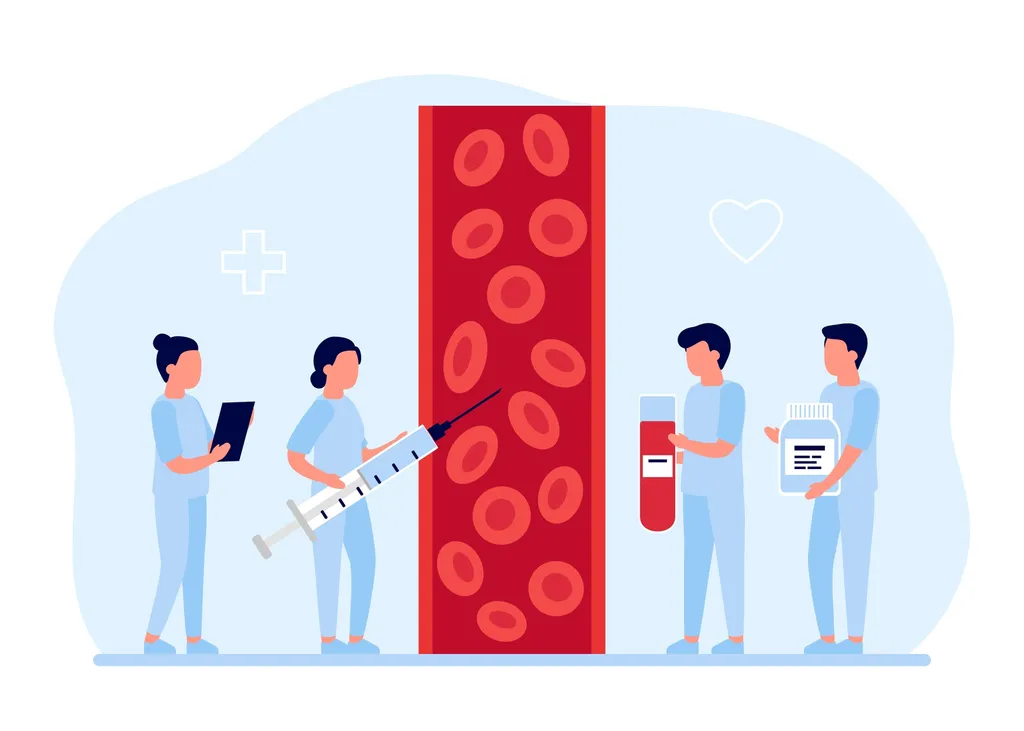


Many people with cancer may encounter clotting problems during and after treatment. This is because cancer cells may also alter the clotting system. Clotting problems can cause bleeding and blood clots, which can lead to problems like stroke or leg thrombosis. Detecting early symptoms and taking preventive measures can reduce blood clotting complications.
What are coagulation disorders?
Coagulation disorders occur when the body’s natural process for stopping bleeding is disrupted. This natural process is called hemostasis. If you have cancer, this system may not work the way it should.
Tumor cells can activate the clotting system, creating a hypercoagulable state. This means blood clots form too easily. It can lead to an inability to clot, resulting in bleeding and easy bruising.
The coagulation cascade: how clots form
The "coagulation cascade" is a series of chemical reactions where clotting factors activate one another in a specific order. This forms a stable fibrin mesh to stop bleeding.
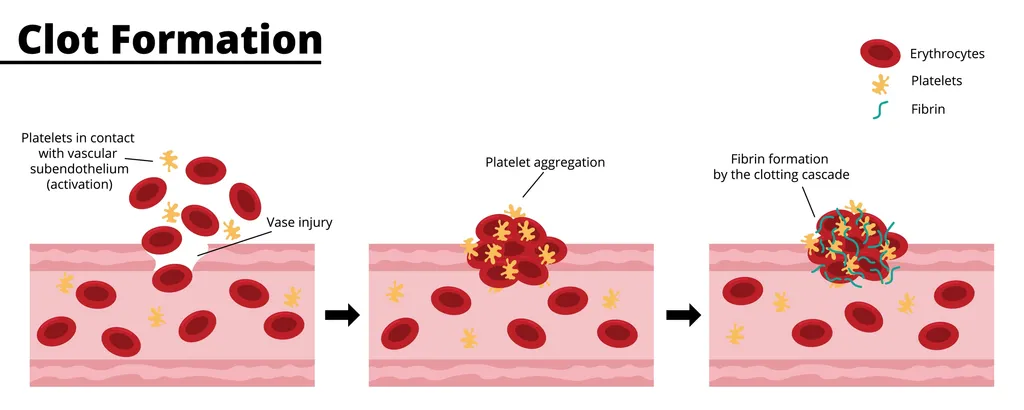
In cancer, this cascade is often altered by the cancer cells through several ways:
- Tissue Factor (TF): Many tumor cells express high levels of Tissue Factor, the primary "trigger" that starts the clotting cascade.
- Cancer Procoagulant (CP): Some tumors produce a unique protein called CP that directly activates the cascade, bypassing normal regulatory steps.
- Microparticles (MP): Tumor cells release tiny "bubbles" or vesicles into the blood that are loaded with pro-clotting proteins, acting as mobile platforms for clot formation.
What are the types of coagulation disorders
Coagulation disorders generally fall into two categories: thrombotic (clotting) disorders and hemorrhagic (bleeding) disorders
Clotting disorders (thrombotic)
During clotting disorders, the blood becomes more dense, forming blood clots. It can happen in any blood vessel. They are usually treated with anticoagulants, blood thinners, or aspirin which stops platelets from forming clots.
- Venous Thromboembolism (VTE): VTE is the most frequent clotting complication in people with cancer. While the overall incidence ranges from less than 1% to almost 8%, this varies significantly depending on the type and stage of the cancer.
- Deep Vein Thrombosis (DVT): DVT primarily affects veins in the lower limbs. But it can also happen in veins in the upper limbs, sinuses, or even liver and GI tract. It is especially common in people with myeloproliferative neoplasms. Some symptoms include redness, warmth, cramping, intense sudden pain or swelling.
- Pulmonary Embolism (PE): PE happens when a DVT breaks loose and travels to the lungs. This blocks blood flow. PE is a medical emergency. Seek medical attention right away if you have the following symptoms:
-
-
Sudden shortness of breath
-
Sharp chest pain that worsens with deep breaths
-
Rapid heart rate
Coughing up blood.
Bleeding disorders (hemorrhagic)
Bleeding disorders are a significant complications for people with solid tumor cancers. They are also a common appearance in blood cancers.
Some medications can also increase the risk of bleeding. The most common symptom of bleeding disorders is easy bruising. It is important to know the cause of bleeding, and the vessels affected to prevent complications.
In blood cancer patients and people who take chemotherapy medications, the cause of bleeding is more commonly due to low platelet levels.
Liver failure can also decrease the production of clotting factors, which are essential to the coagulation cascade. Some tumors can directly affect blood vessels, causing bleeding.
- Disseminated intravascular coagulation (DIC): A complex syndrome where the body uses up all its clotting factors to make tiny clots throughout the vessels, paradoxically leaving no factors left to stop actual bleeding.
- Acquired hemophilia: A rare condition where the body develops antibodies against its own clotting factors (like Factor VIII).
What are the symptoms of a bleeding or clotting disorder?
Recognizing the signs of a clotting or bleeding issue can be life-saving. Many early signs can be seen in the skin, such as bruising (ecchymoses), tiny red dots (petechiae), or livedo reticularis (a purplish, net-like pattern on the skin.
What are treatments for bleeding and clotting disorders?
Treating these disorders requires a delicate balance to stop clots without causing excessive bleeding.
- Low-molecular-weight heparin (LMWH): This is the "gold standard" for treating venous thrombosis in people with cancer. It is considered superior to traditional oral thinners like warfarin for long-term therapy.
- Aspirin: Often used in specific blood cancers (myeloproliferative neoplasms) to reduce cardiovascular risks. It prevents platelets from grouping together and forming clots.
- Warfarin (vitamin K antagonists): A traditional blood thinner, though its use is declining in cancer care because it is harder to manage than LMWH. Since it blocks vitamin K, it can interact with many medications and lose potency if combined with certain foods rich in vitamin K.
- Transfusions: This is a supportive treatment, the main cause may not be addressed or cured with transfusions, however they can be lifesaving. Depending on each individual case, transfusions can help restore clotting factors in plasma.
How to prevent blood coagulation disorders?
Some conditions can be prevented with simple measures. If you take blood thinners always make sure you ask your doctor before you incorporate any alternative or over-the-counter medications. This will lower the risk of interactions that can worsen blood coagulation disorders.
Other supportive measures that can reduce the risk are:
- Maintain mobility with gentle exercise or walking. This helps keep blood moving. Long periods of immobility and bed rest are major risk factors for venous thrombosis.
- Use compression tights or socks: These are often used in hospital or before surgeries to prevent blood from pooling in the lower limbs. They can also be used during long flights or when people remain seated for long periods of time.
- Stay hydrated: Dehydration can contribute to "thicker" blood.
- Regular monitoring by your health team: Your care team is trained to identify early signs like livedo reticularis and petechiae, and to help you review your current medications and supplements for possible medication interactions.
Stay updated with more news, events near you and webinars with the HealthTree Newsletter.
Sources:
Many people with cancer may encounter clotting problems during and after treatment. This is because cancer cells may also alter the clotting system. Clotting problems can cause bleeding and blood clots, which can lead to problems like stroke or leg thrombosis. Detecting early symptoms and taking preventive measures can reduce blood clotting complications.
What are coagulation disorders?
Coagulation disorders occur when the body’s natural process for stopping bleeding is disrupted. This natural process is called hemostasis. If you have cancer, this system may not work the way it should.
Tumor cells can activate the clotting system, creating a hypercoagulable state. This means blood clots form too easily. It can lead to an inability to clot, resulting in bleeding and easy bruising.
The coagulation cascade: how clots form
The "coagulation cascade" is a series of chemical reactions where clotting factors activate one another in a specific order. This forms a stable fibrin mesh to stop bleeding.
In cancer, this cascade is often altered by the cancer cells through several ways:
- Tissue Factor (TF): Many tumor cells express high levels of Tissue Factor, the primary "trigger" that starts the clotting cascade.
- Cancer Procoagulant (CP): Some tumors produce a unique protein called CP that directly activates the cascade, bypassing normal regulatory steps.
- Microparticles (MP): Tumor cells release tiny "bubbles" or vesicles into the blood that are loaded with pro-clotting proteins, acting as mobile platforms for clot formation.
What are the types of coagulation disorders
Coagulation disorders generally fall into two categories: thrombotic (clotting) disorders and hemorrhagic (bleeding) disorders
Clotting disorders (thrombotic)
During clotting disorders, the blood becomes more dense, forming blood clots. It can happen in any blood vessel. They are usually treated with anticoagulants, blood thinners, or aspirin which stops platelets from forming clots.
- Venous Thromboembolism (VTE): VTE is the most frequent clotting complication in people with cancer. While the overall incidence ranges from less than 1% to almost 8%, this varies significantly depending on the type and stage of the cancer.
- Deep Vein Thrombosis (DVT): DVT primarily affects veins in the lower limbs. But it can also happen in veins in the upper limbs, sinuses, or even liver and GI tract. It is especially common in people with myeloproliferative neoplasms. Some symptoms include redness, warmth, cramping, intense sudden pain or swelling.
- Pulmonary Embolism (PE): PE happens when a DVT breaks loose and travels to the lungs. This blocks blood flow. PE is a medical emergency. Seek medical attention right away if you have the following symptoms:
-
-
Sudden shortness of breath
-
Sharp chest pain that worsens with deep breaths
-
Rapid heart rate
-
Coughing up blood.
-
- Arterial Thromboembolism (ATE). ATE is less common than VTE, accounting for roughly 10% to 30% of total clotting problems. However, it is equally serious because. It affects the delivery of oxygenated blood to vital organs. In certain blood cancers, ATE accounts for up to 70% of all major thrombotic events.ATE most commonly involves the cerebral vessels (leading to stroke) and the peripheral circulation of the arms and legs. It can also affect the mesenteric (gut), kidney, and liver vessels. Symptoms of ATE may be:
- Stroke: sudden numbness or weakness (especially on one side), confusion, trouble speaking, or loss of balance.
- Heart attack: Intense chest pressure, pain radiating to the jaw or arm, and cold sweats.
- Acute limb ischemia: Sudden, severe pain in a limb accompanied by coldness, paleness, or a lack of pulse.
Bleeding disorders (hemorrhagic)
Bleeding disorders are a significant complications for people with solid tumor cancers. They are also a common appearance in blood cancers.
Some medications can also increase the risk of bleeding. The most common symptom of bleeding disorders is easy bruising. It is important to know the cause of bleeding, and the vessels affected to prevent complications.
In blood cancer patients and people who take chemotherapy medications, the cause of bleeding is more commonly due to low platelet levels.
Liver failure can also decrease the production of clotting factors, which are essential to the coagulation cascade. Some tumors can directly affect blood vessels, causing bleeding.
- Disseminated intravascular coagulation (DIC): A complex syndrome where the body uses up all its clotting factors to make tiny clots throughout the vessels, paradoxically leaving no factors left to stop actual bleeding.
- Acquired hemophilia: A rare condition where the body develops antibodies against its own clotting factors (like Factor VIII).
What are the symptoms of a bleeding or clotting disorder?
Recognizing the signs of a clotting or bleeding issue can be life-saving. Many early signs can be seen in the skin, such as bruising (ecchymoses), tiny red dots (petechiae), or livedo reticularis (a purplish, net-like pattern on the skin.
What are treatments for bleeding and clotting disorders?
Treating these disorders requires a delicate balance to stop clots without causing excessive bleeding.
- Low-molecular-weight heparin (LMWH): This is the "gold standard" for treating venous thrombosis in people with cancer. It is considered superior to traditional oral thinners like warfarin for long-term therapy.
- Aspirin: Often used in specific blood cancers (myeloproliferative neoplasms) to reduce cardiovascular risks. It prevents platelets from grouping together and forming clots.
- Warfarin (vitamin K antagonists): A traditional blood thinner, though its use is declining in cancer care because it is harder to manage than LMWH. Since it blocks vitamin K, it can interact with many medications and lose potency if combined with certain foods rich in vitamin K.
- Transfusions: This is a supportive treatment, the main cause may not be addressed or cured with transfusions, however they can be lifesaving. Depending on each individual case, transfusions can help restore clotting factors in plasma.
How to prevent blood coagulation disorders?
Some conditions can be prevented with simple measures. If you take blood thinners always make sure you ask your doctor before you incorporate any alternative or over-the-counter medications. This will lower the risk of interactions that can worsen blood coagulation disorders.
Other supportive measures that can reduce the risk are:
- Maintain mobility with gentle exercise or walking. This helps keep blood moving. Long periods of immobility and bed rest are major risk factors for venous thrombosis.
- Use compression tights or socks: These are often used in hospital or before surgeries to prevent blood from pooling in the lower limbs. They can also be used during long flights or when people remain seated for long periods of time.
- Stay hydrated: Dehydration can contribute to "thicker" blood.
- Regular monitoring by your health team: Your care team is trained to identify early signs like livedo reticularis and petechiae, and to help you review your current medications and supplements for possible medication interactions.
Stay updated with more news, events near you and webinars with the HealthTree Newsletter.
Sources:

about the author
Jimena Vicencio
Jimena is an International Medical Graduate and a member of the HealthTree Writing team. Currently pursuing a bachelor's degree in journalism, she combines her medical background with a storyteller’s heart to make complex healthcare topics accessible to everyone. Driven by a deep belief that understanding health is a universal right, she is committed to translating scientific and medical knowledge into clear, compassionate language that empowers individuals to take control of their well-being.
More on Navigating Your Health



Trending Articles



Get the Latest Burkitt Lymphoma Updates, Delivered to You.
By subscribing to the HealthTree newsletter, you'll receive the latest research, treatment updates, and expert insights to help you navigate your health.
Together we care.
Together we cure.