![[logo] HealthTree Foundation](https://static.healthtree.org/icons/icon_spinner.svg)
![[logo] HealthTree Foundation](https://static.healthtree.org/logo_icon_only.svg)
The Future of Prostate Cancer Treatment: PSMA PET Imaging And Pluvicto Radioligand Therapy


The Future Of Prostate Cancer
Researchers are working to advance our understanding of prostate cancer and how to find it, prevent it, and understand it better. Prostate cancer will affect the lives of 1 in 8 men. Most men will live a long time. But there is an unmet need for those patients with advanced disease. New research is providing hope through precision therapy and imaging.
How Does Prostate Cancer Work And Metastasize?
The prostate gland is approximately the size of a walnut. Cancer begins when DNA mutations cause cells to multiply uncontrollably. These abnormal cells then create tumors, which can often stay within the prostate or spread to other parts of the body, like nearby tissue, organs, bones, and lymph nodes.
Metastatic cancer is when the cells break away from the tumor and invade the lymphatic system or bloodstream. The most common places for prostate cancer to metastasize are in the bones (spine, pelvis, ribs), followed by the lungs, liver, and brain.
Prostate cancer feeds on male hormones, especially testosterone. Many treatments work by starving the cancer cells of these hormones to slow or shrink their growth. New research is offering imaging that locates tumor cells and treatments that precisely enter the tumor cells and destroy them from within.
Prostate-Specific Membrane Antigen (PSMA)
This is a protein found on the surface of prostate cells. PSMA shows up in significantly higher amounts on cancerous cells, up to 1,000 times more. Thus, PSMA can act as an important marker for the location of prostate cancer tumors.
A new breakthrough is PSMA-Based Positron Emission Tomography (PET) imaging. This scan uses targeted radiation to locate prostate-specific membrane antigens and find where the prostate cancer cells are in the body.
Doctors inject a safe, radioactive tracer that seeks out and binds to the PSMA protein on the cancer cells. On a PET scan, these cells will light up and show where cancerous cells are specifically located. This provides direction for better targeted therapy. This new PET testing sees tiny deposits of prostate cancer that are not seen on regular imaging.
What is Pluvicto: A New Groundbreaking Radioligand Therapy (RLT)
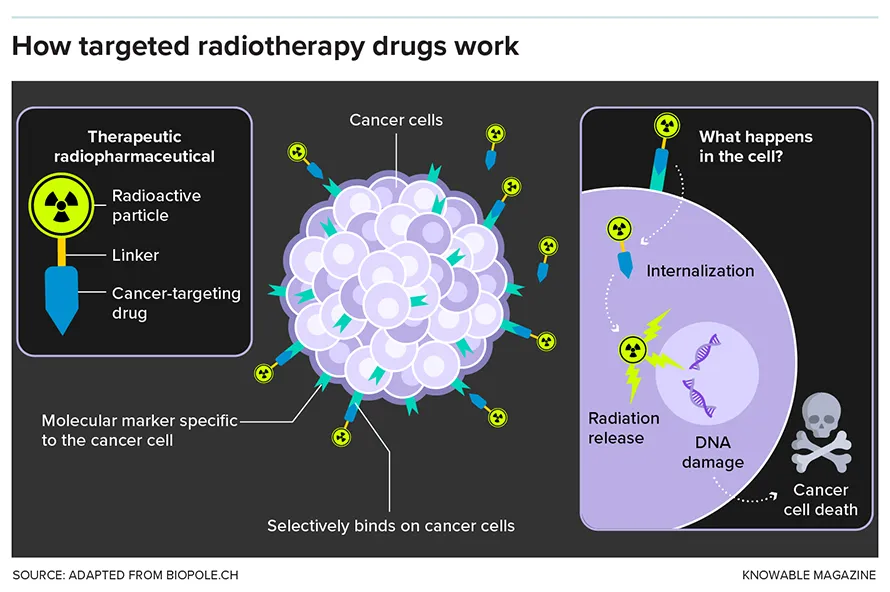
Pluvicto is a cancer treatment used for prostate cancer that has spread to other parts of the body and is no longer responding to standard hormone therapy or chemotherapy. Pluvicto is not chemotherapy; it is a targeted treatment called radioligand therapy (RLT).
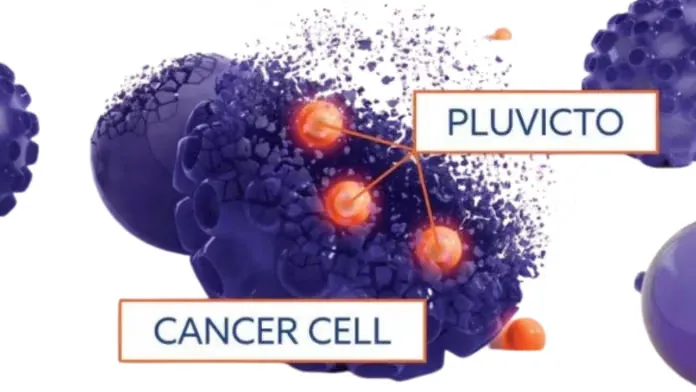
How it works: Prostate cancer cells have a protein on their surface called PSMA. Pluvicto is essentially a "guided missile"; it's a molecule that seeks out and attaches to the PSMA protein. Once attached, it delivers a small dose of radiation directly to the cancer cell, killing it. Because it targets cancer cells specifically, it causes less damage to healthy tissue than traditional radiation.
Who can get it: It's approved for patients with advanced prostate cancer who have already tried hormone-blocking therapy and chemotherapy. This drug has been found to be effective for many patients whose overall health does not make them good candidates for chemotherapy.
How it's given: It's given as an IV infusion (about 20-60 minutes) once every 6 weeks, for up to 6 rounds.
Does it work? In a large clinical trial, patients who received Pluvicto lived significantly longer and had slower disease progression compared to those who did not receive it.
Side effects of Pluvicto (Radioligand Therapy - RLT)
The most common side effects are dry mouth and dry eyes. This is because the PSMA protein also exists in small amounts in the salivary and tear glands. It can also affect blood counts, so regular lab monitoring is needed. Pluvicto is well tolerated and has few side effects.
In 2022, the FDA permitted doctors to use Pluvicto, but only for patients who had already tried two other treatments: one that blocks male hormones and one called chemotherapy.
Then in 2025, the FDA said doctors could use Pluvicto earlier, before patients even need chemotherapy, as long as the cancer has a specific target on it called PSMA. This was a big deal because it means some patients can potentially hold off on the harsher chemotherapy treatment for longer.
Combination Therapies With Pluvicto
There are several combination therapies involving Pluvicto for PSMA-positive prostate cancer. These treatments aim to enhance the anti-tumor effect and increase the radiation expression. Combinations with Pluvicto and other agents can profoundly expand and improve treatment options.
-
Hormone Therapy: Pluvicto and androgen deprivation therapy (ADT) combined with androgen receptor pathway inhibitors (enzalutamide or abiraterone) are currently one of the most studied approaches to prostate cancer.
-
The ENZA-p trial showed that enzalutamide added to Pluvicto significantly improved overall survival compared to enzalutamide alone.
-
The PSMAddition trial showed that combining Pluvicto with standard-of-care hormone therapy significantly delayed the progression of metastatic prostate cancer.
Immunotherapy: Pluvicto and pembrolizumab are currently being tested (NCT05766371), which may help the body’s immune system target cancer cells that survive radiation therapy.
Chemotherapy: Patients are being treated with Pluvicto first, followed by the administration of docetaxel (which freezes the cells in a state where they cannot divide or grow). This sequence is proving to be highly effective at shrinking tumors early on.
Create a HealthTree Account and Search for Prostate Cancer Clinical Trials
Conclusion
As research continues to advance, the future of prostate cancer care is becoming more personalized and effective. New technologies such as PSMA PET imaging and targeted treatments like Pluvicto are helping doctors find cancer earlier, treat it more precisely, and improve outcomes for many patients.
Ongoing studies of combination therapies may lead to even better results in the years ahead. While challenges remain, these breakthroughs offer hope for patients with advanced prostate cancer and their overall quality of life.
The Future Of Prostate Cancer
Researchers are working to advance our understanding of prostate cancer and how to find it, prevent it, and understand it better. Prostate cancer will affect the lives of 1 in 8 men. Most men will live a long time. But there is an unmet need for those patients with advanced disease. New research is providing hope through precision therapy and imaging.
How Does Prostate Cancer Work And Metastasize?
The prostate gland is approximately the size of a walnut. Cancer begins when DNA mutations cause cells to multiply uncontrollably. These abnormal cells then create tumors, which can often stay within the prostate or spread to other parts of the body, like nearby tissue, organs, bones, and lymph nodes.
Metastatic cancer is when the cells break away from the tumor and invade the lymphatic system or bloodstream. The most common places for prostate cancer to metastasize are in the bones (spine, pelvis, ribs), followed by the lungs, liver, and brain.
Prostate cancer feeds on male hormones, especially testosterone. Many treatments work by starving the cancer cells of these hormones to slow or shrink their growth. New research is offering imaging that locates tumor cells and treatments that precisely enter the tumor cells and destroy them from within.
Prostate-Specific Membrane Antigen (PSMA)
This is a protein found on the surface of prostate cells. PSMA shows up in significantly higher amounts on cancerous cells, up to 1,000 times more. Thus, PSMA can act as an important marker for the location of prostate cancer tumors.
A new breakthrough is PSMA-Based Positron Emission Tomography (PET) imaging. This scan uses targeted radiation to locate prostate-specific membrane antigens and find where the prostate cancer cells are in the body.
Doctors inject a safe, radioactive tracer that seeks out and binds to the PSMA protein on the cancer cells. On a PET scan, these cells will light up and show where cancerous cells are specifically located. This provides direction for better targeted therapy. This new PET testing sees tiny deposits of prostate cancer that are not seen on regular imaging.
What is Pluvicto: A New Groundbreaking Radioligand Therapy (RLT)
Pluvicto is a cancer treatment used for prostate cancer that has spread to other parts of the body and is no longer responding to standard hormone therapy or chemotherapy. Pluvicto is not chemotherapy; it is a targeted treatment called radioligand therapy (RLT).
How it works: Prostate cancer cells have a protein on their surface called PSMA. Pluvicto is essentially a "guided missile"; it's a molecule that seeks out and attaches to the PSMA protein. Once attached, it delivers a small dose of radiation directly to the cancer cell, killing it. Because it targets cancer cells specifically, it causes less damage to healthy tissue than traditional radiation.
Who can get it: It's approved for patients with advanced prostate cancer who have already tried hormone-blocking therapy and chemotherapy. This drug has been found to be effective for many patients whose overall health does not make them good candidates for chemotherapy.
How it's given: It's given as an IV infusion (about 20-60 minutes) once every 6 weeks, for up to 6 rounds.
Does it work? In a large clinical trial, patients who received Pluvicto lived significantly longer and had slower disease progression compared to those who did not receive it.
Side effects of Pluvicto (Radioligand Therapy - RLT)
The most common side effects are dry mouth and dry eyes. This is because the PSMA protein also exists in small amounts in the salivary and tear glands. It can also affect blood counts, so regular lab monitoring is needed. Pluvicto is well tolerated and has few side effects.
In 2022, the FDA permitted doctors to use Pluvicto, but only for patients who had already tried two other treatments: one that blocks male hormones and one called chemotherapy.
Then in 2025, the FDA said doctors could use Pluvicto earlier, before patients even need chemotherapy, as long as the cancer has a specific target on it called PSMA. This was a big deal because it means some patients can potentially hold off on the harsher chemotherapy treatment for longer.
Combination Therapies With Pluvicto
There are several combination therapies involving Pluvicto for PSMA-positive prostate cancer. These treatments aim to enhance the anti-tumor effect and increase the radiation expression. Combinations with Pluvicto and other agents can profoundly expand and improve treatment options.
-
Hormone Therapy: Pluvicto and androgen deprivation therapy (ADT) combined with androgen receptor pathway inhibitors (enzalutamide or abiraterone) are currently one of the most studied approaches to prostate cancer.
-
The ENZA-p trial showed that enzalutamide added to Pluvicto significantly improved overall survival compared to enzalutamide alone.
-
The PSMAddition trial showed that combining Pluvicto with standard-of-care hormone therapy significantly delayed the progression of metastatic prostate cancer.
-
Immunotherapy: Pluvicto and pembrolizumab are currently being tested (NCT05766371), which may help the body’s immune system target cancer cells that survive radiation therapy.
-
Chemotherapy: Patients are being treated with Pluvicto first, followed by the administration of docetaxel (which freezes the cells in a state where they cannot divide or grow). This sequence is proving to be highly effective at shrinking tumors early on.
Create a HealthTree Account and Search for Prostate Cancer Clinical Trials
Conclusion
As research continues to advance, the future of prostate cancer care is becoming more personalized and effective. New technologies such as PSMA PET imaging and targeted treatments like Pluvicto are helping doctors find cancer earlier, treat it more precisely, and improve outcomes for many patients.
Ongoing studies of combination therapies may lead to even better results in the years ahead. While challenges remain, these breakthroughs offer hope for patients with advanced prostate cancer and their overall quality of life.

about the author
Lisa Foster
Lisa Foster is a mom of 3 daughters and 1 perfect grandchild, a puzzle lover, writer and HealthTree advocate. She believes in the mission of the foundation and the team that builds it forward. She calls Houston, Texas home.
More on Treatment Advances


Trending Articles


Get the Latest Prostate Cancer Updates, Delivered to You.
By subscribing to the HealthTree newsletter, you'll receive the latest research, treatment updates, and expert insights to help you navigate your health.
Together we care.
Together we cure.