![[logo] HealthTree Foundation](https://static.healthtree.org/icons/icon_spinner.svg)
![[logo] HealthTree Foundation](https://static.healthtree.org/logo_icon_only.svg)
ASH 2025: Rusfertide Shows Lasting Control of Polycythemia Vera
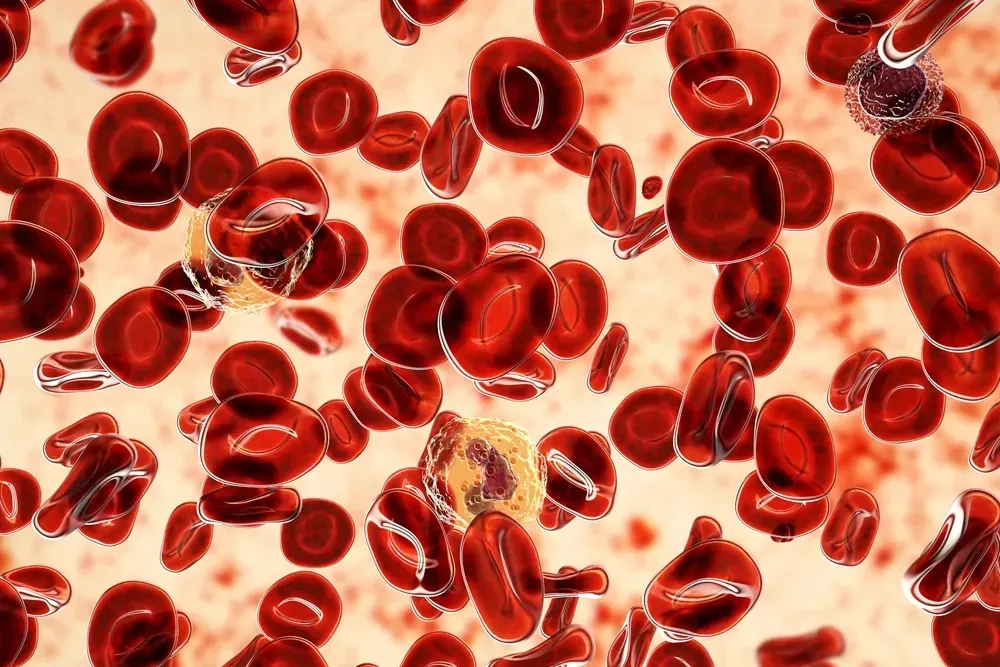


New data shared shows that rusfertide, an investigational therapy for polycythemia vera (PV), continues to control hematocrit levels and reduce the need for phlebotomies over a full year of treatment. These updated results of the phase 3 VERIFY clinical trial were shared at the American Society of Hematology (ASH) Annual Meeting in December.
Rusfertide is a first-in-class hepcidin mimetic. This type of medication mimics a natural hormone that regulates iron levels in the body. In PV, excess red blood cell production leads to high hematocrit levels, increasing the risk of blood clots.
The current standard of care treatment for PV is a combination of phlebotomy (removing blood from the body), low-dose aspirin, medications to lower red blood cell counts, and heart medications. By limiting iron availability, rusfertide helps reduce red blood cell overproduction, addressing a key driver of PV rather than just managing its consequences.
How does rusfertide fit into current PV treatment?
Most people with PV rely on phlebotomy and medications such as cytoreductive therapy (CRT) to control hematocrit. Frequent phlebotomies can be physically draining and disruptive to daily life.
In the VERIFY study, rusfertide was added to each patient’s existing standard-of-care treatment rather than replacing it. This allowed researchers to evaluate whether it could provide additional, sustained benefit.
The VERIFY phase 3 study
The VERIFY study enrolled 293 patients with polycythemia vera who required frequent phlebotomies. Patients were randomized to receive either rusfertide or placebo for the first 32 weeks, followed by an open-label period where all participants could receive rusfertide.
Key outcomes included:
- Ongoing freedom from phlebotomy eligibility
- Time to hematocrit rising to 45% or higher
- Patient-reported symptoms such as fatigue
After one full year of treatment, results showed durable and meaningful benefits:
- About 62% of patients who started rusfertide remained free from phlebotomy eligibility through week 52
- Patients who switched from placebo to rusfertide also achieved high rates of phlebotomy independence later in treatment
- Average hematocrit levels stayed below 43%, well under the recommended safety threshold
- Improvements in fatigue and PV-related symptoms were maintained over time
These benefits were consistent across age groups, PV risk categories, and ongoing background therapies.
How safe was rusfertide in this study?
Rusfertide was generally well tolerated. The most common side effects included mild injection-site reactions, anemia, and fatigue. Most side effects were low grade (mild to moderate).
Serious adverse events were uncommon, and rates of blood clots and secondary cancers remained low and consistent with prior observations.
Why is durable hematocrit control so important in PV?
Keeping hematocrit below 45% is one of the most important goals in PV care. Poor control increases the risk of blood clots, strokes, and heart attacks.
A treatment that can reduce or eliminate frequent phlebotomies while maintaining safe hematocrit levels may significantly improve quality of life for many patients.
These results suggest rusfertide may offer a new, disease-targeted approach that works alongside existing therapies. For patients who struggle with frequent phlebotomies or persistent symptoms, this could represent a meaningful advance in care.
What’s next for rusfertide
Takeda and Protagonist Therapeutics have submitted a New Drug Application (NDA) to the U.S. Food and Drug Administration (FDA) for rusfertide. The NDA is supported by data from the Phase 3 VERIFY study. Rusfertide has received Breakthrough Therapy, Fast Track, and Orphan Drug designations from the FDA, highlighting its potential to change the current treatment paradigm for this rare blood cancer and address important unmet patient needs.
If you are living with PV, ongoing research like the VERIFY study shows that treatment options continue to evolve. Talk with your healthcare team about emerging therapies and whether clinical trials may be right for you.
Read the past rusfertide update we covered at ASCO 2025 here.
Sources:
- Rusfertide or placebo plus current standard-of-care therapy for polycythemia vera
- Durability of response and safety results through week 52 from the randomized controlled phase 3 VERIFY study
New data shared shows that rusfertide, an investigational therapy for polycythemia vera (PV), continues to control hematocrit levels and reduce the need for phlebotomies over a full year of treatment. These updated results of the phase 3 VERIFY clinical trial were shared at the American Society of Hematology (ASH) Annual Meeting in December.
Rusfertide is a first-in-class hepcidin mimetic. This type of medication mimics a natural hormone that regulates iron levels in the body. In PV, excess red blood cell production leads to high hematocrit levels, increasing the risk of blood clots.
The current standard of care treatment for PV is a combination of phlebotomy (removing blood from the body), low-dose aspirin, medications to lower red blood cell counts, and heart medications. By limiting iron availability, rusfertide helps reduce red blood cell overproduction, addressing a key driver of PV rather than just managing its consequences.
How does rusfertide fit into current PV treatment?
Most people with PV rely on phlebotomy and medications such as cytoreductive therapy (CRT) to control hematocrit. Frequent phlebotomies can be physically draining and disruptive to daily life.
In the VERIFY study, rusfertide was added to each patient’s existing standard-of-care treatment rather than replacing it. This allowed researchers to evaluate whether it could provide additional, sustained benefit.
The VERIFY phase 3 study
The VERIFY study enrolled 293 patients with polycythemia vera who required frequent phlebotomies. Patients were randomized to receive either rusfertide or placebo for the first 32 weeks, followed by an open-label period where all participants could receive rusfertide.
Key outcomes included:
- Ongoing freedom from phlebotomy eligibility
- Time to hematocrit rising to 45% or higher
- Patient-reported symptoms such as fatigue
After one full year of treatment, results showed durable and meaningful benefits:
- About 62% of patients who started rusfertide remained free from phlebotomy eligibility through week 52
- Patients who switched from placebo to rusfertide also achieved high rates of phlebotomy independence later in treatment
- Average hematocrit levels stayed below 43%, well under the recommended safety threshold
- Improvements in fatigue and PV-related symptoms were maintained over time
These benefits were consistent across age groups, PV risk categories, and ongoing background therapies.
How safe was rusfertide in this study?
Rusfertide was generally well tolerated. The most common side effects included mild injection-site reactions, anemia, and fatigue. Most side effects were low grade (mild to moderate).
Serious adverse events were uncommon, and rates of blood clots and secondary cancers remained low and consistent with prior observations.
Why is durable hematocrit control so important in PV?
Keeping hematocrit below 45% is one of the most important goals in PV care. Poor control increases the risk of blood clots, strokes, and heart attacks.
A treatment that can reduce or eliminate frequent phlebotomies while maintaining safe hematocrit levels may significantly improve quality of life for many patients.
These results suggest rusfertide may offer a new, disease-targeted approach that works alongside existing therapies. For patients who struggle with frequent phlebotomies or persistent symptoms, this could represent a meaningful advance in care.
What’s next for rusfertide
Takeda and Protagonist Therapeutics have submitted a New Drug Application (NDA) to the U.S. Food and Drug Administration (FDA) for rusfertide. The NDA is supported by data from the Phase 3 VERIFY study. Rusfertide has received Breakthrough Therapy, Fast Track, and Orphan Drug designations from the FDA, highlighting its potential to change the current treatment paradigm for this rare blood cancer and address important unmet patient needs.
If you are living with PV, ongoing research like the VERIFY study shows that treatment options continue to evolve. Talk with your healthcare team about emerging therapies and whether clinical trials may be right for you.
Read the past rusfertide update we covered at ASCO 2025 here.
Sources:
- Rusfertide or placebo plus current standard-of-care therapy for polycythemia vera
- Durability of response and safety results through week 52 from the randomized controlled phase 3 VERIFY study

about the author
Jimena Vicencio
Jimena is an International Medical Graduate and a member of the HealthTree Writing team. Currently pursuing a bachelor's degree in journalism, she combines her medical background with a storyteller’s heart to make complex healthcare topics accessible to everyone. Driven by a deep belief that understanding health is a universal right, she is committed to translating scientific and medical knowledge into clear, compassionate language that empowers individuals to take control of their well-being.
More on Clinical Trials












Get the Latest Myeloproliferative Neoplasm Updates, Delivered to You.
By subscribing to the HealthTree newsletter, you'll receive the latest research, treatment updates, and expert insights to help you navigate your health.
Together we care.
Together we cure.