![[logo] HealthTree Foundation](https://static.healthtree.org/icons/icon_spinner.svg)
![[logo] HealthTree Foundation](https://static.healthtree.org/logo_icon_only.svg)
Coping With a Rare Cancer Diagnosis



Any cancer diagnosis can lead to feelings of overwhelm and uncertainty. But a rare cancer diagnosis has unique challenges. Learn practical suggestions for coping with and managing a rare cancer diagnosis.
Challenges for people with rare cancer
A cancer is considered rare when it affects fewer than 40,000 people in the United States each year. While any cancer diagnosis comes with challenges, there are unique challenges that affect people with rare cancers. These include:
Delayed diagnosis and treatment. When a cancer is rare, it often takes longer to get a diagnosis. Studies have shown that rare cancers are diagnosed at later stages compared to more common cancers. Treatment can also be delayed. More than 1 in 3 patients with rare cancers did not start treatment within 30 days.
Limited treatment options. Because it is more difficult to study rare cancers, there may be more limited treatment options. For some rare cancers, there are no standard of care treatment options and a clinical trial may be the only option. For others, there are limited clinical trials available.
Lack of resources for education and support. For people with rare cancers, it can be difficult to find information and resources for support. You may have a harder time connecting with others who have similar experiences and there are less options for support groups. This can lead to feelings of isolation.
How to cope with a rare cancer diagnosis
There is not one singular approach to coping with a rare cancer diagnosis. However, there are many strategies that can help you better navigate your diagnosis and treatment.
Finding a care team/specialist
A care team consists of multiple different medical professionals that will work together to give you the best care. Finding a specialist can make a meaningful difference. A specialist typically has specific experience or works in a center where they may see a higher volume of similar cancers. You can ask your primary care provider to help you find a specialist and put in a referral for you.
HealthTree has developed a directory to help you find the right specialist.
Seek mental health support
A rare cancer diagnosis can impact your mental health. You may experience feelings of anxiety or depression. Working with a mental health professional can help you manage difficult emotions and symptoms effectively.
Stick to a daily routine
Having a daily routing can also help provide stability and help you feel more grounded. Eating balanced meals, getting plenty of rest, and gentle exercise can help support your energy levels and boost your mood.
Find community
It may be challenging to find someone with the same diagnosis you have. Even so, online platforms, patient organizations, and support groups can help you connect with others who understand parts of your experience.
Join Healthtree Connect, a social media platform for patients and caregivers to learn more from others with cancer.
The future of rare cancer research and innovation
Researchers are constantly working to better understand rare cancers through clinical trials and collaborations across institutions. By participating in research, patients play an important role in helping advance treatments and ultimately find cures.
Sharing your insights and experience with cancer leads to a deeper understanding of the patient experience, improved treatments, earlier diagnoses, and a better understanding of how the disease affects different people. Follow the link below to participate in real-world data studies through short surveys that can lead to better outcomes for the entire community.
Sources:
Any cancer diagnosis can lead to feelings of overwhelm and uncertainty. But a rare cancer diagnosis has unique challenges. Learn practical suggestions for coping with and managing a rare cancer diagnosis.
Challenges for people with rare cancer
A cancer is considered rare when it affects fewer than 40,000 people in the United States each year. While any cancer diagnosis comes with challenges, there are unique challenges that affect people with rare cancers. These include:
Delayed diagnosis and treatment. When a cancer is rare, it often takes longer to get a diagnosis. Studies have shown that rare cancers are diagnosed at later stages compared to more common cancers. Treatment can also be delayed. More than 1 in 3 patients with rare cancers did not start treatment within 30 days.
Limited treatment options. Because it is more difficult to study rare cancers, there may be more limited treatment options. For some rare cancers, there are no standard of care treatment options and a clinical trial may be the only option. For others, there are limited clinical trials available.
Lack of resources for education and support. For people with rare cancers, it can be difficult to find information and resources for support. You may have a harder time connecting with others who have similar experiences and there are less options for support groups. This can lead to feelings of isolation.
How to cope with a rare cancer diagnosis
There is not one singular approach to coping with a rare cancer diagnosis. However, there are many strategies that can help you better navigate your diagnosis and treatment.
Finding a care team/specialist
A care team consists of multiple different medical professionals that will work together to give you the best care. Finding a specialist can make a meaningful difference. A specialist typically has specific experience or works in a center where they may see a higher volume of similar cancers. You can ask your primary care provider to help you find a specialist and put in a referral for you.
HealthTree has developed a directory to help you find the right specialist.
Seek mental health support
A rare cancer diagnosis can impact your mental health. You may experience feelings of anxiety or depression. Working with a mental health professional can help you manage difficult emotions and symptoms effectively.
Stick to a daily routine
Having a daily routing can also help provide stability and help you feel more grounded. Eating balanced meals, getting plenty of rest, and gentle exercise can help support your energy levels and boost your mood.
Find community
It may be challenging to find someone with the same diagnosis you have. Even so, online platforms, patient organizations, and support groups can help you connect with others who understand parts of your experience.
Join Healthtree Connect, a social media platform for patients and caregivers to learn more from others with cancer.
The future of rare cancer research and innovation
Researchers are constantly working to better understand rare cancers through clinical trials and collaborations across institutions. By participating in research, patients play an important role in helping advance treatments and ultimately find cures.
Sharing your insights and experience with cancer leads to a deeper understanding of the patient experience, improved treatments, earlier diagnoses, and a better understanding of how the disease affects different people. Follow the link below to participate in real-world data studies through short surveys that can lead to better outcomes for the entire community.
Sources:
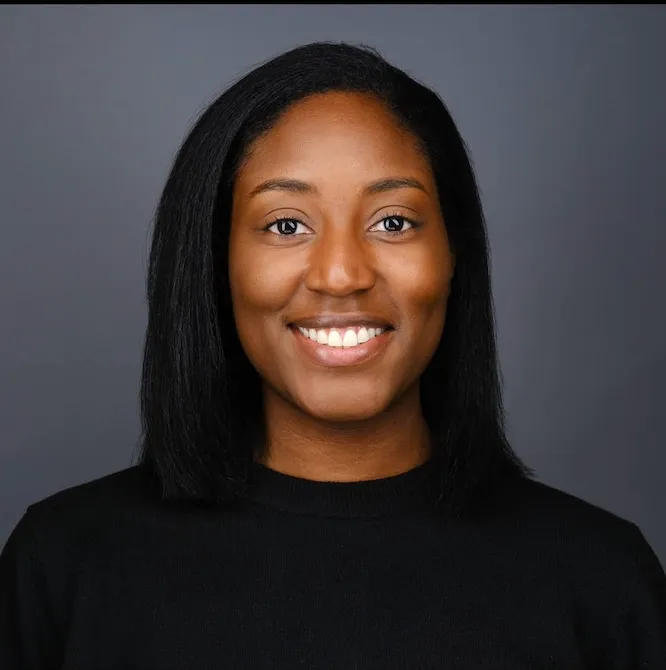
about the author
Bethany Howell
Bethany joined HealthTree in 2025. She is passionate about supporting patients and their care partners and improving access to quality care.
More on Navigating Your Health



Trending Articles



Get the Latest Myelofibrosis Updates, Delivered to You.
By subscribing to the HealthTree newsletter, you'll receive the latest research, treatment updates, and expert insights to help you navigate your health.
Together we care.
Together we cure.