![[logo] HealthTree Foundation](https://static.healthtree.org/icons/icon_spinner.svg)
![[logo] HealthTree Foundation](https://static.healthtree.org/logo_icon_only.svg)
Clinical Trial Tests Vitamin C to Improve MDS Therapy


Myelodysplastic syndromes (MDS) are a type of blood cancer. When you have MDS, the bone marrow does not produce enough healthy blood cells. One of the standard treatments for people with higher-risk MDS is azacitidine. It is type of chemotherapy that acts directly on MDS cells’ DNA. Azacitidine helps stop the growth of cancer cells.
There is a new clinical trial (NCT07283900) exploring ways to make azacitidine’s effects more durable while reducing side effects. With that in mind, they are exploring vitamin C as a complement.
What is vitamin C?
Vitamin C (also called ascorbic acid) is a powerful antioxidant. It is also a main component of wound healing and immune function. Vitamin C also helps the body produce collagen. Collagen is a protein found in many tissues that helps give them structure, strength and elasticity.
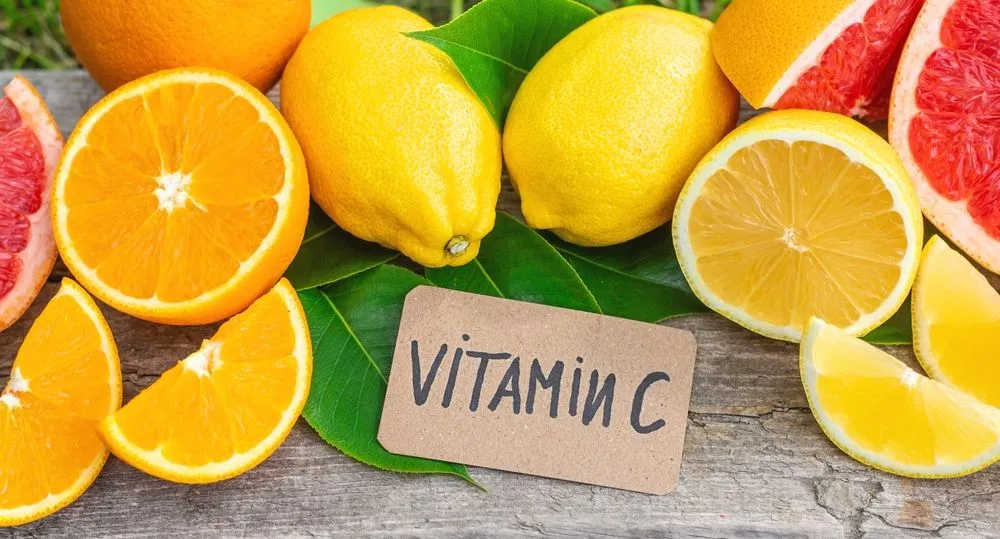
Vitamin C can be found naturally in many foods. The best sources of vitamin C are citrus fruits, red and green peppers, kiwifruit, broccoli, strawberries, and Brussels sprouts. Orange juice, grapefruit juice, and tomato juice also contain large amounts of vitamin C, and vitamin C is added to some breakfast cereals. Vitamin C is water soluble and susceptible to heat, so cooking can reduce the vitamin C content of food. If you do not get enough vitamin C from your diet, it can be taken as a supplement.
If you have cancer, always talk to your doctor before making changes to your diet or starting new supplements. Some foods, such as grapefruit, can interfere with the absorption of some medications. Supplements can also affect the other medications you take.
How can vitamin c help treat mds?
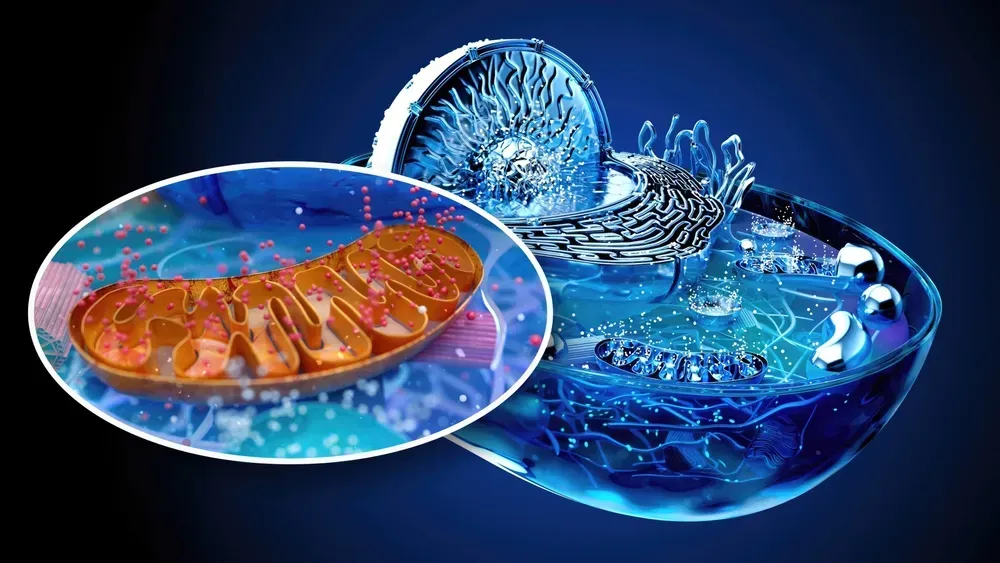
Researchers believe that high doses of vitamin C might help treatments like azacitidine work better because of how it interacts with our genetic instructions. Vitamin C acts as a helper for special proteins called TET enzymes. These enzymes help keep our DNA healthy. In certain blood conditions, these enzymes are often damaged or mutated, which allows diseased cells to grow.
Research suggests that providing extra vitamin C could jump-start these enzymes. This may help standard medicines like azacitidine do a more effective job of managing the sick cells. Beyond this genetic help, high-dose vitamin C can also create a substance called hydrogen peroxide that specifically targets cancer cells while leaving healthy ones alone. By lowering inflammation and improving the body's internal environment, vitamin C may provide the perfect boost to help standard therapies reach their full potential
How are researchers testing vitamin C for MDS?
In this study, vitamin C is referred to by its scientific name: high-dose ascorbate. Instead of taking a regular vitamin pill, patients receive a very high dose of it directly into their blood through an IV. Researchers believe that this high dose might help azacitidine do a better job of managing the diseased cells. The goal of the clinical trial is to see if this combination can safely enhance the treatment without causing extra stress on the body.
This is a Phase 2 clinical trial, which means it is designed to test safety and efficacy. The study begins with a "safety run-in." This is a close monitoring to make sure the combination of medicines is safe to use. After that, the study will also evaluate if the vitamin C actually helps the treatment work better. This study officially started on March 11, 2026 and is currently recruiting. Researchers expect to have all the final results by early 2029.
The value of exploring new treatment combinations
This trial shows how medical research is evolving to find more uses to well-known supplements such as vitamin C. While the study is still in its early stages, it represents a step forward in understanding how different therapies can work together.
As the trial progresses over the next few years, the medical community will learn more about the potential of high-dose vitamin C to support blood health. Staying informed about these clinical trials helps patients and families feel empowered as they look for the best possible care options.
Subscribe to HealthTree’s MDS newsletter and don’t miss treatment advances news, community events featuring blood cancer experts.
Sources:
Myelodysplastic syndromes (MDS) are a type of blood cancer. When you have MDS, the bone marrow does not produce enough healthy blood cells. One of the standard treatments for people with higher-risk MDS is azacitidine. It is type of chemotherapy that acts directly on MDS cells’ DNA. Azacitidine helps stop the growth of cancer cells.
There is a new clinical trial (NCT07283900) exploring ways to make azacitidine’s effects more durable while reducing side effects. With that in mind, they are exploring vitamin C as a complement.
What is vitamin C?
Vitamin C (also called ascorbic acid) is a powerful antioxidant. It is also a main component of wound healing and immune function. Vitamin C also helps the body produce collagen. Collagen is a protein found in many tissues that helps give them structure, strength and elasticity.
Vitamin C can be found naturally in many foods. The best sources of vitamin C are citrus fruits, red and green peppers, kiwifruit, broccoli, strawberries, and Brussels sprouts. Orange juice, grapefruit juice, and tomato juice also contain large amounts of vitamin C, and vitamin C is added to some breakfast cereals. Vitamin C is water soluble and susceptible to heat, so cooking can reduce the vitamin C content of food. If you do not get enough vitamin C from your diet, it can be taken as a supplement.
If you have cancer, always talk to your doctor before making changes to your diet or starting new supplements. Some foods, such as grapefruit, can interfere with the absorption of some medications. Supplements can also affect the other medications you take.
How can vitamin c help treat mds?
Researchers believe that high doses of vitamin C might help treatments like azacitidine work better because of how it interacts with our genetic instructions. Vitamin C acts as a helper for special proteins called TET enzymes. These enzymes help keep our DNA healthy. In certain blood conditions, these enzymes are often damaged or mutated, which allows diseased cells to grow.
Research suggests that providing extra vitamin C could jump-start these enzymes. This may help standard medicines like azacitidine do a more effective job of managing the sick cells. Beyond this genetic help, high-dose vitamin C can also create a substance called hydrogen peroxide that specifically targets cancer cells while leaving healthy ones alone. By lowering inflammation and improving the body's internal environment, vitamin C may provide the perfect boost to help standard therapies reach their full potential
How are researchers testing vitamin C for MDS?
In this study, vitamin C is referred to by its scientific name: high-dose ascorbate. Instead of taking a regular vitamin pill, patients receive a very high dose of it directly into their blood through an IV. Researchers believe that this high dose might help azacitidine do a better job of managing the diseased cells. The goal of the clinical trial is to see if this combination can safely enhance the treatment without causing extra stress on the body.
This is a Phase 2 clinical trial, which means it is designed to test safety and efficacy. The study begins with a "safety run-in." This is a close monitoring to make sure the combination of medicines is safe to use. After that, the study will also evaluate if the vitamin C actually helps the treatment work better. This study officially started on March 11, 2026 and is currently recruiting. Researchers expect to have all the final results by early 2029.
The value of exploring new treatment combinations
This trial shows how medical research is evolving to find more uses to well-known supplements such as vitamin C. While the study is still in its early stages, it represents a step forward in understanding how different therapies can work together.
As the trial progresses over the next few years, the medical community will learn more about the potential of high-dose vitamin C to support blood health. Staying informed about these clinical trials helps patients and families feel empowered as they look for the best possible care options.
Subscribe to HealthTree’s MDS newsletter and don’t miss treatment advances news, community events featuring blood cancer experts.
Sources:

about the author
Jimena Vicencio
Jimena is an International Medical Graduate and a member of the HealthTree Writing team. Currently pursuing a bachelor's degree in journalism, she combines her medical background with a storyteller’s heart to make complex healthcare topics accessible to everyone. Driven by a deep belief that understanding health is a universal right, she is committed to translating scientific and medical knowledge into clear, compassionate language that empowers individuals to take control of their well-being.
More on Clinical Trials




Trending Articles




Get the Latest Myelodysplastic Syndromes Updates, Delivered to You.
By subscribing to the HealthTree newsletter, you'll receive the latest research, treatment updates, and expert insights to help you navigate your health.
Together we care.
Together we cure.