![[logo] HealthTree Foundation](https://static.healthtree.org/icons/icon_spinner.svg)
![[logo] HealthTree Foundation](https://static.healthtree.org/logo_icon_only.svg)
U.S. FDA Approves Nivolumab (Opdivo) with AVD for Classical Hodgkin Lymphoma
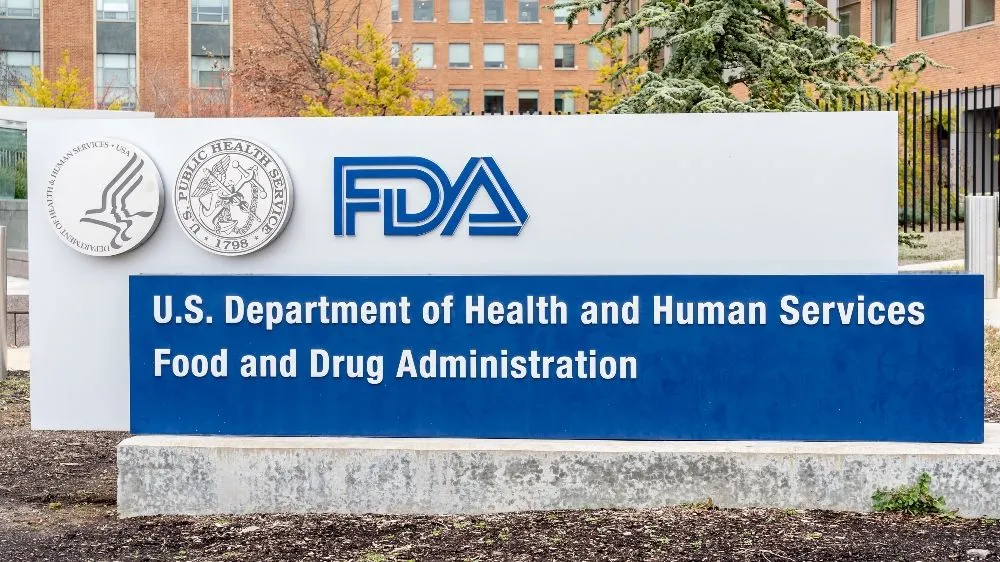


On March 20, 2026, the U.S. Food and Drug Administration (FDA) approved nivolumab (Opdivo, Bristol Myers Squibb) with the chemotherapy combination AVD. This combination includes doxorubicin, vinblastine, and dacarbazine. Nivolumab with AVD can now be used as a first treatment for people age 12 and older who have stage III or IV classical Hodgkin lymphoma.
Hodgkin lymphoma is a cancer of white blood cells. These are cells that help fight infection. Stage III and IV is advanced cancer that has spread. In these stages, doctors often use combination chemotherapy. Some people also receive immunotherapy. Immunotherapy is cancer treatment that uses the body’s immune system to destroy cancer.
Nivolumab is an immunotherapy. It was previously approved for Hodgkin lymphoma that had returned or stopped responding to past treatments. When nivolumab was studied earlier in care alongside AVD, it improved outcomes. This approval adds a new first treatment option for patients.
“For decades, treatment approaches in classical Hodgkin Lymphoma have presented significant challenges, both for newly diagnosed patients and those facing relapse. In the U.S., the nivolumab-based combination for patients with previously untreated Stage III or IV cHL demonstrated improved progression-free survival compared with standard of care, BV-AVD. The SWOG 1826 study provides data for frontline use of this immunotherapy-based regimen.” - Alex Herrera, M.D., Chief of Division of Lymphoma, Department of Hematology & Hematopoietic Cell Transplantation, City of Hope National Medical Center, in a press release.
How does nivolumab with chemotherapy treat Hodgkin lymphoma?
Nivolumab is a PD-1 inhibitor. PD-1 is a “checkpoint protein” on immune cells. It is meant to stop immune cells from attacking healthy cells. It also stops them from attacking cancer cells. Nivolumab blocks this signal. This helps immune cells remove cancer cells. Chemotherapy kills fast-growing cancer cells. Combining chemotherapy with nivolumab helps target cancer cells in different ways.
Nivolumab and AVD are given by IV infusion. This means it goes into a vein. Patients receive treatment on days 1 and 15 per cycle. Treatment lasts up to 6 cycles that are each 28 days.
The study that led to nivolumab with AVD’s approval
The S1826 study included 994 people. All were age 12 or older. Patients received one of two treatments:
- Nivolumab with AVD
- Brentuximab vedotin (Adcetris, Pfizer) with AVD
The percentage of patients who were alive without cancer progression at three years after treatment was:
- 91% of patients who received nivolumab with AVD
- 82% of patients who received brentuximab vedotin with AVD
What are the common side effects of nivolumab with AVD?
The most common side effects of nivolumab with AVD for people with Hodgkin lymphoma were:
- Nausea
- Low white blood cells
- Fatigue
- Anemia (low red blood cells)
- Constipation
- Muscle/bone pain
- Nerve sensitivity in hands or feet
- Liver inflammation
- Vomiting
- Mouth sores
During the clinical trial, fewer than 4% of patients stopped treatment due to side effects.
Next steps for people living with Hodgkin lymphoma
If you or a loved one has Hodgkin lymphoma, ask your healthcare team about how your current treatment is working for you and if nivolumab with AVD or ongoing studies may be right for you.
Questions to ask your care team about nivolumab with AVD
Consider asking your care team the following questions about nivolumab with AVD:
- How does this treatment compare to my current plan?
- How are side effects managed?
- Will I need more treatment later?
- How often will I need checkups?
Get the latest lymphoma updates, delivered to you! The HealthTree newsletter delivers lymphoma research updates, FDA approvals, and more directly to your inbox.
Sources:
- Bristol Myers Squibb Transforms the Classical Hodgkin Lymphoma Treatment Paradigm with Expanded U.S. and EMA Approvals for Opdivo® (nivolumab)
- FDA approves nivolumab with chemotherapy for previously untreated Hodgkin lymphoma
- 3-year follow-up of the S1826 study confirms improved progression-free survival with nivolumab-AVD compared to brentuximab vedotin-AVD in advanced stage classic Hodgkin lymphoma
- OPDIVO U.S. Prescribing Information
On March 20, 2026, the U.S. Food and Drug Administration (FDA) approved nivolumab (Opdivo, Bristol Myers Squibb) with the chemotherapy combination AVD. This combination includes doxorubicin, vinblastine, and dacarbazine. Nivolumab with AVD can now be used as a first treatment for people age 12 and older who have stage III or IV classical Hodgkin lymphoma.
Hodgkin lymphoma is a cancer of white blood cells. These are cells that help fight infection. Stage III and IV is advanced cancer that has spread. In these stages, doctors often use combination chemotherapy. Some people also receive immunotherapy. Immunotherapy is cancer treatment that uses the body’s immune system to destroy cancer.
Nivolumab is an immunotherapy. It was previously approved for Hodgkin lymphoma that had returned or stopped responding to past treatments. When nivolumab was studied earlier in care alongside AVD, it improved outcomes. This approval adds a new first treatment option for patients.
“For decades, treatment approaches in classical Hodgkin Lymphoma have presented significant challenges, both for newly diagnosed patients and those facing relapse. In the U.S., the nivolumab-based combination for patients with previously untreated Stage III or IV cHL demonstrated improved progression-free survival compared with standard of care, BV-AVD. The SWOG 1826 study provides data for frontline use of this immunotherapy-based regimen.” - Alex Herrera, M.D., Chief of Division of Lymphoma, Department of Hematology & Hematopoietic Cell Transplantation, City of Hope National Medical Center, in a press release.
How does nivolumab with chemotherapy treat Hodgkin lymphoma?
Nivolumab is a PD-1 inhibitor. PD-1 is a “checkpoint protein” on immune cells. It is meant to stop immune cells from attacking healthy cells. It also stops them from attacking cancer cells. Nivolumab blocks this signal. This helps immune cells remove cancer cells. Chemotherapy kills fast-growing cancer cells. Combining chemotherapy with nivolumab helps target cancer cells in different ways.
Nivolumab and AVD are given by IV infusion. This means it goes into a vein. Patients receive treatment on days 1 and 15 per cycle. Treatment lasts up to 6 cycles that are each 28 days.
The study that led to nivolumab with AVD’s approval
The S1826 study included 994 people. All were age 12 or older. Patients received one of two treatments:
- Nivolumab with AVD
- Brentuximab vedotin (Adcetris, Pfizer) with AVD
The percentage of patients who were alive without cancer progression at three years after treatment was:
- 91% of patients who received nivolumab with AVD
- 82% of patients who received brentuximab vedotin with AVD
What are the common side effects of nivolumab with AVD?
The most common side effects of nivolumab with AVD for people with Hodgkin lymphoma were:
- Nausea
- Low white blood cells
- Fatigue
- Anemia (low red blood cells)
- Constipation
- Muscle/bone pain
- Nerve sensitivity in hands or feet
- Liver inflammation
- Vomiting
- Mouth sores
During the clinical trial, fewer than 4% of patients stopped treatment due to side effects.
Next steps for people living with Hodgkin lymphoma
If you or a loved one has Hodgkin lymphoma, ask your healthcare team about how your current treatment is working for you and if nivolumab with AVD or ongoing studies may be right for you.
Questions to ask your care team about nivolumab with AVD
Consider asking your care team the following questions about nivolumab with AVD:
- How does this treatment compare to my current plan?
- How are side effects managed?
- Will I need more treatment later?
- How often will I need checkups?
Get the latest lymphoma updates, delivered to you! The HealthTree newsletter delivers lymphoma research updates, FDA approvals, and more directly to your inbox.
Sources:
- Bristol Myers Squibb Transforms the Classical Hodgkin Lymphoma Treatment Paradigm with Expanded U.S. and EMA Approvals for Opdivo® (nivolumab)
- FDA approves nivolumab with chemotherapy for previously untreated Hodgkin lymphoma
- 3-year follow-up of the S1826 study confirms improved progression-free survival with nivolumab-AVD compared to brentuximab vedotin-AVD in advanced stage classic Hodgkin lymphoma
- OPDIVO U.S. Prescribing Information

about the author
Megan Heaps
Megan joined HealthTree in 2022. She enjoys helping patients and their care partners understand the various aspects of the cancer. This understanding enables them to better advocate for themselves and improve their treatment outcomes.
More on Treatment Advances







Get the Latest Lymphoma Updates, Delivered to You.
By subscribing to the HealthTree newsletter, you'll receive the latest research, treatment updates, and expert insights to help you navigate your health.
Together we care.
Together we cure.