![[logo] HealthTree Foundation](https://static.healthtree.org/icons/icon_spinner.svg)
![[logo] HealthTree Foundation](https://static.healthtree.org/logo_icon_only.svg)
Bladder Cancer And Nutrition: The Best Foods To Support Your Body
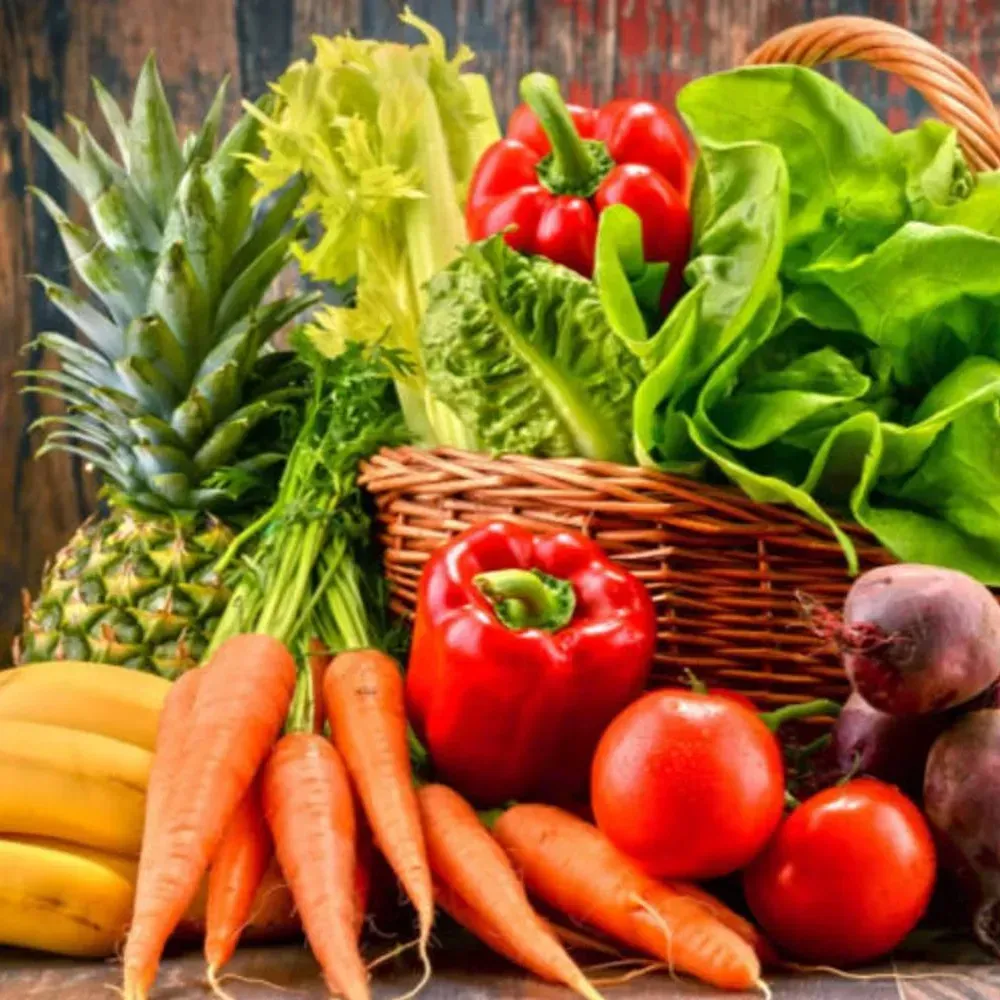


Bladder Cancer and Nutrition: The Best Foods To Support Your Body
Living with bladder cancer brings challenges that affect your entire life, but focusing on nutrition is a powerful way to take active control of your care. Whether you are navigating Non-Muscle-Invasive Bladder Cancer (NMIBC) or Muscle-Invasive Bladder Cancer (MIBC), making smart, intentional choices about what you eat can help you manage treatment side effects, protect your immune system, and improve your overall quality of life.
There is no one-size-fits-all "cancer diet." Your unique cancer stage, your current treatment plan, and your general health all dictate what your body needs. By collaborating closely with your urologist, medical oncologist, and a specialized oncology dietitian, you can build a personalized nutrition roadmap. You may find that specific dietary adjustments can dramatically ease your symptoms and support your body as it heals.
Why Nutrition Matters During Treatment
While diet alone cannot cure or prevent bladder cancer, proper nutrition acts as a critical support system for your medical therapies. Standard treatments—including surgery (like a TURBT or radical cystectomy), chemotherapy, radiation, and newer immunotherapy combinations—can take a heavy toll on your digestive system, making it difficult to maintain your weight and absorb essential nutrients. Eating the right foods ensures your body has the strength to fight. What matters most is how your unique body responds to these foods and what your healthcare team recommends.
4 Focus Areas for Your Daily Meals
The connection between bladder cancer and your diet can help you feel your best. If your goals are to support your immune system, lower systemic inflammation, or improve your hydration, here are four core food groups to consider adding to your grocery list:
Cruciferous Vegetables
These veggies are packed with phytochemicals (like glucosinolates) that break down into compounds researchers are studying for their unique ability to help protect the bladder lining.
|
Lean Proteins
Protein provides the essential building blocks your body needs to repair tissues, heal surgical incisions, and rebuild muscle mass that might be stressed by chemotherapy or radiation.
|
Hydrating Fluids
Drinking plenty of fluids keeps your body functioning optimally and continuously flushes out your bladder, ensuring that cellular waste and treatment byproducts don't sit against your bladder wall.
|
Anti-Inflammatory Whole Foods
Aggressive cancer therapies can create cellular stress and inflammation. These foods contain natural antioxidants and healthy fats to help soothe the body and support cellular health.
 |
|
Bladder Cancer and Nutrition: The Best Foods To Support Your Body
Living with bladder cancer brings challenges that affect your entire life, but focusing on nutrition is a powerful way to take active control of your care. Whether you are navigating Non-Muscle-Invasive Bladder Cancer (NMIBC) or Muscle-Invasive Bladder Cancer (MIBC), making smart, intentional choices about what you eat can help you manage treatment side effects, protect your immune system, and improve your overall quality of life.
There is no one-size-fits-all "cancer diet." Your unique cancer stage, your current treatment plan, and your general health all dictate what your body needs. By collaborating closely with your urologist, medical oncologist, and a specialized oncology dietitian, you can build a personalized nutrition roadmap. You may find that specific dietary adjustments can dramatically ease your symptoms and support your body as it heals.
Why Nutrition Matters During Treatment
While diet alone cannot cure or prevent bladder cancer, proper nutrition acts as a critical support system for your medical therapies. Standard treatments—including surgery (like a TURBT or radical cystectomy), chemotherapy, radiation, and newer immunotherapy combinations—can take a heavy toll on your digestive system, making it difficult to maintain your weight and absorb essential nutrients. Eating the right foods ensures your body has the strength to fight. What matters most is how your unique body responds to these foods and what your healthcare team recommends.
4 Focus Areas for Your Daily Meals
The connection between bladder cancer and your diet can help you feel your best. If your goals are to support your immune system, lower systemic inflammation, or improve your hydration, here are four core food groups to consider adding to your grocery list:
Cruciferous Vegetables
These veggies are packed with phytochemicals (like glucosinolates) that break down into compounds researchers are studying for their unique ability to help protect the bladder lining.
|
Lean Proteins
Protein provides the essential building blocks your body needs to repair tissues, heal surgical incisions, and rebuild muscle mass that might be stressed by chemotherapy or radiation.
|
Hydrating Fluids
Drinking plenty of fluids keeps your body functioning optimally and continuously flushes out your bladder, ensuring that cellular waste and treatment byproducts don't sit against your bladder wall.
|
Anti-Inflammatory Whole Foods
Aggressive cancer therapies can create cellular stress and inflammation. These foods contain natural antioxidants and healthy fats to help soothe the body and support cellular health.
|
|

about the author
Todd Foster
Todd has a passion for using technology that can help people have a better life and along the way, help to further research and a cure. He has 3 daughters and lives with his wife in Utah.



Get the Latest Bladder Cancer Updates, Delivered to You.
By subscribing to the HealthTree newsletter, you'll receive the latest research, treatment updates, and expert insights to help you navigate your health.
Together we care.
Together we cure.