![[logo] HealthTree Foundation](https://static.healthtree.org/icons/icon_spinner.svg)
![[logo] HealthTree Foundation](https://static.healthtree.org/logo_icon_only.svg)
Phlebotomy 101


Phlebotomy: The Vital Link in Modern Healthcare
Phlebotomy is the specialized practice of drawing blood from a patient for clinical testing, transfusions, or medical treatment. While it may seem like a simple "blood draw," it is a critical diagnostic bridge between a patient’s symptoms and a physician’s diagnosis.
The Purpose of Phlebotomy
The primary goal of phlebotomy is to obtain high-quality blood samples while ensuring patient safety and comfort. These samples are used for:
-
Diagnostic Testing: Screening for diseases, monitoring organ function, and checking nutrient levels.
-
Therapeutic Phlebotomy: Treating conditions like hemochromatosis (excess iron) or polycythemia vera (excess red blood cells) by removing specific volumes of blood.
-
Donations: Collecting blood and plasma for life-saving transfusions.
The Procedure: What to Expect
A standard phlebotomy procedure is quick—usually taking less than 10 minutes—and follows a strict clinical protocol:
-
Identification: Verifying the patient's identity to ensure sample accuracy.
-
Site Selection: Locating a suitable vein, typically the median cubital vein in the crease of the elbow.
-
Sterilization: Cleaning the area with an antiseptic to prevent infection.
-
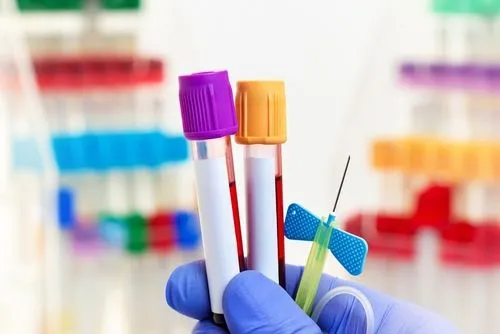
Venipuncture: Inserting a sterile needle and collecting blood into specific color-coded tubes (each containing different additives for specific tests).
-
Post-Care: Applying pressure and a bandage to the site to promote clotting.
The Role of the Phlebotomist
Phlebotomists are the frontline "face" of the laboratory. Beyond technical precision, they must possess strong interpersonal skills to calm anxious patients and handle difficult vein "sticks." They are also responsible for the pre-analytical phase of testing—ensuring samples are labeled correctly and transported under the right conditions (such as on ice or protected from light)—as even minor errors at this stage can lead to incorrect medical results.
Phlebotomy: The Vital Link in Modern Healthcare
Phlebotomy is the specialized practice of drawing blood from a patient for clinical testing, transfusions, or medical treatment. While it may seem like a simple "blood draw," it is a critical diagnostic bridge between a patient’s symptoms and a physician’s diagnosis.
The Purpose of Phlebotomy
The primary goal of phlebotomy is to obtain high-quality blood samples while ensuring patient safety and comfort. These samples are used for:
-
Diagnostic Testing: Screening for diseases, monitoring organ function, and checking nutrient levels.
-
Therapeutic Phlebotomy: Treating conditions like hemochromatosis (excess iron) or polycythemia vera (excess red blood cells) by removing specific volumes of blood.
-
Donations: Collecting blood and plasma for life-saving transfusions.
The Procedure: What to Expect
A standard phlebotomy procedure is quick—usually taking less than 10 minutes—and follows a strict clinical protocol:
-
Identification: Verifying the patient's identity to ensure sample accuracy.
-
Site Selection: Locating a suitable vein, typically the median cubital vein in the crease of the elbow.
-
Sterilization: Cleaning the area with an antiseptic to prevent infection.
-
Venipuncture: Inserting a sterile needle and collecting blood into specific color-coded tubes (each containing different additives for specific tests).
-
Post-Care: Applying pressure and a bandage to the site to promote clotting.
The Role of the Phlebotomist
Phlebotomists are the frontline "face" of the laboratory. Beyond technical precision, they must possess strong interpersonal skills to calm anxious patients and handle difficult vein "sticks." They are also responsible for the pre-analytical phase of testing—ensuring samples are labeled correctly and transported under the right conditions (such as on ice or protected from light)—as even minor errors at this stage can lead to incorrect medical results.




Get the Latest B-Cell Prolymphocytic Leukemia Updates, Delivered to You.
By subscribing to the HealthTree newsletter, you'll receive the latest research, treatment updates, and expert insights to help you navigate your health.
Together we care.
Together we cure.