![[logo] HealthTree Foundation](https://static.healthtree.org/icons/icon_spinner.svg)
![[logo] HealthTree Foundation](https://static.healthtree.org/logo_icon_only.svg)
Can an Anti-Inflammatory Diet Help Reduce Nerve Pain After Chemotherapy?


Up to 50% of cancer survivors experience a condition known as chemotherapy-induced peripheral neuropathy (CIPN), which causes nerve-related symptoms like numbness, tingling, or pain in the hands and feet. These symptoms can disrupt your daily life and last long after your last treatment cycle ends.
Could diet help reduce painful symptoms?
Researchers at the University of Michigan have launched a virtual research study called the LASO-3 trial. The goal is to test whether a specific, anti-inflammatory eating plan can safely lower inflammation and improve these persistent nerve symptoms.
What is an anti-inflammatory diet?
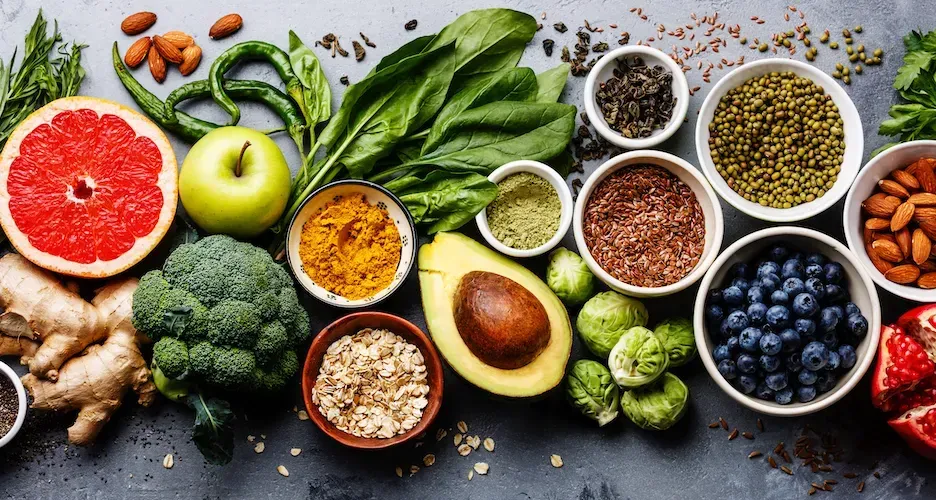
An anti-inflammatory diet focuses on whole, nutrient-dense foods to help lower chronic inflammation inside the body. It is commonly recommended for people with autoimmune diseases and disorders that can be affected by inflammatory reactions. It has plenty of fiber-rich plant foods, such as fruits, vegetables, and whole grains, alongside healthy fats rich in omega-3 fatty acids, found in sources like fish, nuts, and olive oil. At the same time, it limits foods that may trigger inflammatory responses, such as those high in added sugars, refined carbohydrates, and ultra-processed ingredients. Rather than serving as a restrictive weight-loss program, this dietary strategy is designed to support the body's natural defense systems, protect tissue health, and improve long-term wellness.
What is the LASO-3 Study?
The LASO-3 trial is investigating whether an anti-inflammatory diet can provide relief for nerve pain without the need for medications. Because the entire study is conducted virtually, people who have undergone cancer therapy can participate from anywhere in the United States without travel.
The study tracks participants over a total commitment period of about six months. If you enroll, you will be assigned to one of two tracking categories:
- The LASO-3 group: which receives personalized dietary coaching from a registered dietitian over a 12-week period to implement the anti-inflammatory eating plan.
- The Control group: which will participate in 12 weeks of general health and wellness sessions with a registered dietitian.
To monitor your overall health and symptom progression, all participants complete three sets of online surveys. You will also perform three home blood collections using simple finger-prick kits mailed directly to your home by the study team. Survivors who complete the required study activities will receive up to $100 in gift cards as compensation.
How can you participate in this study?
To ensure the safety and accuracy of the research, the study team has established guidelines that determine eligibility to participate. You may qualify to participate if you meet these requirements:
- You are 18 years of age or older.
- You completed your chemotherapy regimen at least 3 months ago.
- You have experienced numbness, tingling, or pain in your hands or feet within the past 7 days.
You may not be eligible to participate if you meet any of these criteria:
- You had pre-existing nerve problems or neuropathy before your cancer diagnosis.
- You have a current inflammatory disease that is not related to your cancer diagnosis.
- You regularly take steroids or non-steroidal anti-inflammatory drugs (NSAIDs).
- Your current everyday diet already contains very low amounts of added sugar or very high levels of omega-3 fatty acids.
If you want to check your eligibility or learn more about the trial, visit the official enrollment portal at University of Michigan Health Research. You can also reach out directly to the study coordinators via email with lead investigator, Robert Knoerl Ph.D rjknoerl@med.umich.edu
What to do if I’m interested in research like this but can’t participate in this study?
If you are interested in taking part of this research but don’t meet the eligibility criteria, you can still participate in other studies or activities the HealthTree community offers. Taking charge of your post-treatment wellness involves exploring supportive strategies that fit safely into your life. If you are experiencing nerve discomfort after chemotherapy, consider these next steps:
-
Discuss lifestyle changes with your doctor before making major adjustments to your diet. Talk with your regular care team or oncologist. Let them know you are looking into anti-inflammatory nutrition to manage your neuropathy.
-
Explore HealthTree’s Clinical Trial Finder, where you can browse through the available clinical trials and find a match with our personalized filter views.
Recovery is smoother when you are part of a community
Attend our upcoming HealthTree Community Events to interact with wellness experts, integrative specialists, and survivors sharing practical tips for thriving after cancer.
JOIN THE HEALTHTREE COMMUNITY
Subscribe to our HealthTree Newsletter to receive up-to-date research news, upcoming and past events, and so much more! SUBSCRIBE TO NEWSLETTER
Up to 50% of cancer survivors experience a condition known as chemotherapy-induced peripheral neuropathy (CIPN), which causes nerve-related symptoms like numbness, tingling, or pain in the hands and feet. These symptoms can disrupt your daily life and last long after your last treatment cycle ends.
Could diet help reduce painful symptoms?
Researchers at the University of Michigan have launched a virtual research study called the LASO-3 trial. The goal is to test whether a specific, anti-inflammatory eating plan can safely lower inflammation and improve these persistent nerve symptoms.
What is an anti-inflammatory diet?
An anti-inflammatory diet focuses on whole, nutrient-dense foods to help lower chronic inflammation inside the body. It is commonly recommended for people with autoimmune diseases and disorders that can be affected by inflammatory reactions. It has plenty of fiber-rich plant foods, such as fruits, vegetables, and whole grains, alongside healthy fats rich in omega-3 fatty acids, found in sources like fish, nuts, and olive oil. At the same time, it limits foods that may trigger inflammatory responses, such as those high in added sugars, refined carbohydrates, and ultra-processed ingredients. Rather than serving as a restrictive weight-loss program, this dietary strategy is designed to support the body's natural defense systems, protect tissue health, and improve long-term wellness.
What is the LASO-3 Study?
The LASO-3 trial is investigating whether an anti-inflammatory diet can provide relief for nerve pain without the need for medications. Because the entire study is conducted virtually, people who have undergone cancer therapy can participate from anywhere in the United States without travel.
The study tracks participants over a total commitment period of about six months. If you enroll, you will be assigned to one of two tracking categories:
- The LASO-3 group: which receives personalized dietary coaching from a registered dietitian over a 12-week period to implement the anti-inflammatory eating plan.
- The Control group: which will participate in 12 weeks of general health and wellness sessions with a registered dietitian.
To monitor your overall health and symptom progression, all participants complete three sets of online surveys. You will also perform three home blood collections using simple finger-prick kits mailed directly to your home by the study team. Survivors who complete the required study activities will receive up to $100 in gift cards as compensation.
How can you participate in this study?
To ensure the safety and accuracy of the research, the study team has established guidelines that determine eligibility to participate. You may qualify to participate if you meet these requirements:
- You are 18 years of age or older.
- You completed your chemotherapy regimen at least 3 months ago.
- You have experienced numbness, tingling, or pain in your hands or feet within the past 7 days.
You may not be eligible to participate if you meet any of these criteria:
- You had pre-existing nerve problems or neuropathy before your cancer diagnosis.
- You have a current inflammatory disease that is not related to your cancer diagnosis.
- You regularly take steroids or non-steroidal anti-inflammatory drugs (NSAIDs).
- Your current everyday diet already contains very low amounts of added sugar or very high levels of omega-3 fatty acids.
If you want to check your eligibility or learn more about the trial, visit the official enrollment portal at University of Michigan Health Research. You can also reach out directly to the study coordinators via email with lead investigator, Robert Knoerl Ph.D rjknoerl@med.umich.edu
What to do if I’m interested in research like this but can’t participate in this study?
If you are interested in taking part of this research but don’t meet the eligibility criteria, you can still participate in other studies or activities the HealthTree community offers. Taking charge of your post-treatment wellness involves exploring supportive strategies that fit safely into your life. If you are experiencing nerve discomfort after chemotherapy, consider these next steps:
-
Discuss lifestyle changes with your doctor before making major adjustments to your diet. Talk with your regular care team or oncologist. Let them know you are looking into anti-inflammatory nutrition to manage your neuropathy.
-
Explore HealthTree’s Clinical Trial Finder, where you can browse through the available clinical trials and find a match with our personalized filter views.
Recovery is smoother when you are part of a community
Attend our upcoming HealthTree Community Events to interact with wellness experts, integrative specialists, and survivors sharing practical tips for thriving after cancer.
JOIN THE HEALTHTREE COMMUNITYSubscribe to our HealthTree Newsletter to receive up-to-date research news, upcoming and past events, and so much more!
SUBSCRIBE TO NEWSLETTER
about the author
Jimena Vicencio
Jimena is an International Medical Graduate and a member of the HealthTree Writing team. Currently pursuing a bachelor's degree in journalism, she combines her medical background with a storyteller’s heart to make complex healthcare topics accessible to everyone. Driven by a deep belief that understanding health is a universal right, she is committed to translating scientific and medical knowledge into clear, compassionate language that empowers individuals to take control of their well-being.








Get the Latest Angioimmunoblastic T-Cell Lymphoma Updates, Delivered to You.
By subscribing to the HealthTree newsletter, you'll receive the latest research, treatment updates, and expert insights to help you navigate your health.
Together we care.
Together we cure.