![[logo] HealthTree Foundation](https://static.healthtree.org/icons/icon_spinner.svg)
![[logo] HealthTree Foundation](https://static.healthtree.org/logo_icon_only.svg)
Lymphoma Nail Changes Explained
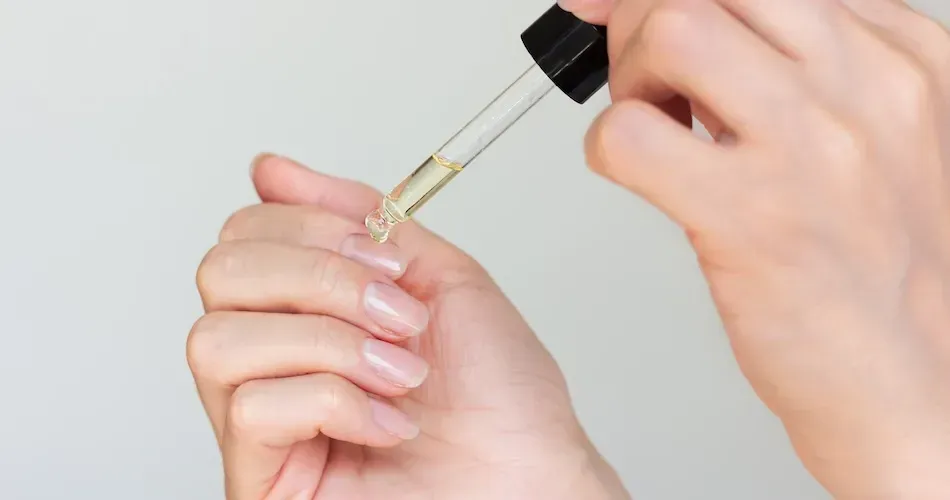


Lymphoma and its treatments may affect your nails. This article explains common nail changes, why they happen, and how to manage them.
How lymphoma treatments can change your nails
Many treatments used for lymphoma can affect nail growth and strength. These include chemotherapy, immunotherapy, and targeted therapy.
These treatments can slow nail growth or damage the nail bed. The nail bed is the skin under your nail that supports growth.
Common nail changes during treatment include:
- Brittle nails that break easily
- Slower nail growth
- Darkening or discoloration
- Ridges or dents in the nail
- White lines or marks
- Nails lifting or falling off
You may also notice specific nail patterns, such as:
- Beau’s lines: Horizontal dents across the nail
- Muehrcke lines: Pairs of white lines that move as nails grow
- Mees’ lines: Single white lines that stay in place
- Splinter hemorrhages: Tiny red or brown lines under the nail
Most of these changes are temporary and improve after treatment ends. They may affect comfort and daily tasks. Noticing them early helps you tell your care team, so they can help manage symptoms.
Changes around the nail and skin
Lymphoma treatments can also affect the skin around your nails.
You may notice:
- Dry or cracked skin around the cuticles
- Swelling or redness near the nail
- Pain or tenderness
These changes can increase infection risk. It is important to report them early so your care team can help.
How nail changes differ between cutaneous T-cell lymphoma and other lymphomas
Nail changes can look different depending on the type of lymphoma.
Nail changes are most common for cutaneous T-cell lymphoma (CTCL). This is because CTCL affects the skin and can directly impact the nails. Changes may include:
- Thickened nails
- Crumbling or rough nails
- Yellow or brown discoloration
- Nail lifting or shedding
In other types of lymphomas, such as Hodgkin lymphoma and B-cell lymphomas like follicular lymphoma, nail changes are less common.
When they do happen, they are more often linked to treatment or stress rather than the lymphoma itself. In rare cases, new nail changes like Beau’s lines may be linked to lymphoma activity.
How to care for your nails during treatment
There are simple steps you can take to protect your nails:
- Keep nails short and clean
- Moisturize hands and cuticles daily
- Wear gloves when cleaning or gardening
- Avoid manicures and harsh nail products
- Check your nails daily for changes
If your nails are weak or splitting, your care team may suggest nail coatings or certain supplements. You can also see a dermatologist. This type of doctor treats skin and nail problems. These steps can lower your risk of infection and reduce discomfort.
Additionally, learn from other patients and share your tips for managing nail changes in the Side Effect Solutions tool.
When to call your care team
Some nail changes need medical attention. Contact your care team if you notice:
- Pain, swelling, or redness
- Signs of infection, like pus or warmth
- Nails lifting or falling off
- Sudden or severe changes
Also watch for signs of skin cancer under the nails. People with lymphoma are at risk of developing skin cancer. Tell your doctor if you notice a dark brown or black vertical streak or spot under the nail. Pay attention if it changes over time, spreads to the skin around the nail, or causes thickening, splitting, or pain.
Early care can prevent more serious problems and protect your health.
Key takeaways
Lymphoma and its treatments may cause nail changes, but most are temporary. Nail changes may differ by lymphoma type, with more direct nail effects seen in cutaneous T-cell lymphoma. Reporting changes early can help your care team manage symptoms and protect your health.
Get the latest lymphoma updates delivered to you! The HealthTree newsletter shares core education, research advances, and more directly to your inbox.
Sources:
- ACS | Nail Changes
- Skin and Nail Changes During Cancer Treatment
- NHS | Nail Problems
- Dystrophic Nails: An Unusual Clue to Recurrent Lymphoma
- Nail Changes
- NIH | What Nails Say About Your Health
- Structure of the nails
- Dark Nails and 4 Other Ways Lymphoma Can Affect Nails
- Nail Alterations in Cutaneous T-Cell Lymphoma: A Case Series and Review of Nail Manifestations
- Lymphoma-associated skin cancer: incidence, natural history, and clinical management
- Subungual Melanoma
Lymphoma and its treatments may affect your nails. This article explains common nail changes, why they happen, and how to manage them.
How lymphoma treatments can change your nails
Many treatments used for lymphoma can affect nail growth and strength. These include chemotherapy, immunotherapy, and targeted therapy.
These treatments can slow nail growth or damage the nail bed. The nail bed is the skin under your nail that supports growth.
Common nail changes during treatment include:
- Brittle nails that break easily
- Slower nail growth
- Darkening or discoloration
- Ridges or dents in the nail
- White lines or marks
- Nails lifting or falling off
You may also notice specific nail patterns, such as:
- Beau’s lines: Horizontal dents across the nail
- Muehrcke lines: Pairs of white lines that move as nails grow
- Mees’ lines: Single white lines that stay in place
- Splinter hemorrhages: Tiny red or brown lines under the nail
Most of these changes are temporary and improve after treatment ends. They may affect comfort and daily tasks. Noticing them early helps you tell your care team, so they can help manage symptoms.
Changes around the nail and skin
Lymphoma treatments can also affect the skin around your nails.
You may notice:
- Dry or cracked skin around the cuticles
- Swelling or redness near the nail
- Pain or tenderness
These changes can increase infection risk. It is important to report them early so your care team can help.
How nail changes differ between cutaneous T-cell lymphoma and other lymphomas
Nail changes can look different depending on the type of lymphoma.
Nail changes are most common for cutaneous T-cell lymphoma (CTCL). This is because CTCL affects the skin and can directly impact the nails. Changes may include:
- Thickened nails
- Crumbling or rough nails
- Yellow or brown discoloration
- Nail lifting or shedding
In other types of lymphomas, such as Hodgkin lymphoma and B-cell lymphomas like follicular lymphoma, nail changes are less common.
When they do happen, they are more often linked to treatment or stress rather than the lymphoma itself. In rare cases, new nail changes like Beau’s lines may be linked to lymphoma activity.
How to care for your nails during treatment
There are simple steps you can take to protect your nails:
- Keep nails short and clean
- Moisturize hands and cuticles daily
- Wear gloves when cleaning or gardening
- Avoid manicures and harsh nail products
- Check your nails daily for changes
If your nails are weak or splitting, your care team may suggest nail coatings or certain supplements. You can also see a dermatologist. This type of doctor treats skin and nail problems. These steps can lower your risk of infection and reduce discomfort.
Additionally, learn from other patients and share your tips for managing nail changes in the Side Effect Solutions tool.
When to call your care team
Some nail changes need medical attention. Contact your care team if you notice:
- Pain, swelling, or redness
- Signs of infection, like pus or warmth
- Nails lifting or falling off
- Sudden or severe changes
Also watch for signs of skin cancer under the nails. People with lymphoma are at risk of developing skin cancer. Tell your doctor if you notice a dark brown or black vertical streak or spot under the nail. Pay attention if it changes over time, spreads to the skin around the nail, or causes thickening, splitting, or pain.
Early care can prevent more serious problems and protect your health.
Key takeaways
Lymphoma and its treatments may cause nail changes, but most are temporary. Nail changes may differ by lymphoma type, with more direct nail effects seen in cutaneous T-cell lymphoma. Reporting changes early can help your care team manage symptoms and protect your health.
Get the latest lymphoma updates delivered to you! The HealthTree newsletter shares core education, research advances, and more directly to your inbox.
Sources:
- ACS | Nail Changes
- Skin and Nail Changes During Cancer Treatment
- NHS | Nail Problems
- Dystrophic Nails: An Unusual Clue to Recurrent Lymphoma
- Nail Changes
- NIH | What Nails Say About Your Health
- Structure of the nails
- Dark Nails and 4 Other Ways Lymphoma Can Affect Nails
- Nail Alterations in Cutaneous T-Cell Lymphoma: A Case Series and Review of Nail Manifestations
- Lymphoma-associated skin cancer: incidence, natural history, and clinical management
- Subungual Melanoma

about the author
Megan Heaps
Megan joined HealthTree in 2022. She enjoys helping patients and their care partners understand the various aspects of the cancer. This understanding enables them to better advocate for themselves and improve their treatment outcomes.
More on Navigating Your Health










Get the Latest Anaplastic Large Cell Lymphoma Updates, Delivered to You.
By subscribing to the HealthTree newsletter, you'll receive the latest research, treatment updates, and expert insights to help you navigate your health.
Together we care.
Together we cure.