![[logo] HealthTree Foundation](https://static.healthtree.org/icons/icon_spinner.svg)
![[logo] HealthTree Foundation](https://static.healthtree.org/logo_icon_only.svg)
February Is Cancer Prevention Month: Small Steps That Can Help Lower Cancer Risk
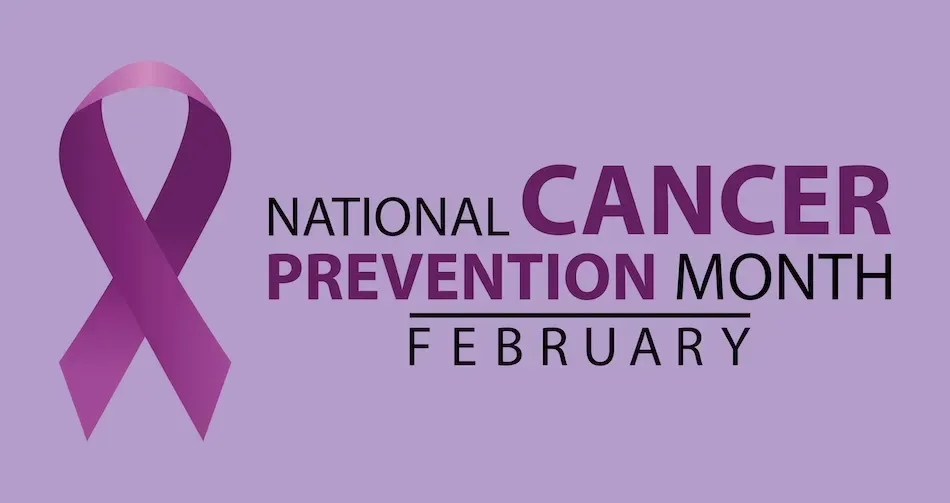


February is Cancer Prevention Month, a time to focus on steps that may help lower cancer risk, including secondary cancers. Research shows that about 40% of cancers in the United States are linked to factors people can change. It’s important to remember that prevention does not mean eliminating all risk. It means reducing risk where possible and making informed choices over time.
Cancer usually develops due to a mix of factors, including certain lifestyle habits, environmental exposures, medical treatments, infections, and genetics. Because no single factor causes cancer, prevention is not a one-size-fits-all. But even small changes could make a meaningful difference.
Avoiding tobacco can lower cancer risk
Smoking is the leading preventable cause of cancer. It is linked to about 1 in 5 cancer cases and nearly 1 in 3 cancer-related deaths. Smoking also increases the risk of many secondary cancers, even when the first cancer was not smoking-related.
Tobacco smoke contains chemicals that damage DNA and weaken the immune system, making it harder for the body to control abnormal cell growth.
Quitting smoking helps at any age, even after a cancer diagnosis. Within 5 to 10 years of quitting, the risk of many cancers drops by about half. Avoiding secondhand smoke is also important, since breathing in smoke from others can increase cancer risk.
Sun exposure, UV rays, and cancer risk
Exposure to ultraviolet (UV) radiation is a known risk factor for skin cancer. UV rays damage the DNA in skin cells, which can lead to uncontrolled cell growth over time. UV exposure comes from both sunlight and indoor tanning devices, such as tanning beds and sunlamps. Studies show that UV exposure accounts for about 4% to 5% of preventable cancers.
People with blood cancer are at a higher risk of skin cancer. This means it is even more important to avoid UV exposure when you can.
Protecting your skin is one of the most manageable cancer prevention steps. Using sunscreen anytime you are outdoors, wearing protective clothing, hats, and sunglasses, seeking shade during midday hours, and avoiding indoor tanning devices can all help reduce UV exposure.
Because UV rays can still reach your skin through clouds and during winter months, sun protection is important year-round and supports a safer time outdoors.
Eating well, staying active, and getting enough sleep
Diet and physical activity play an important role in cancer prevention. Eating too few fruits and vegetables, eating too much processed or red meat, and getting too little fiber are linked to higher cancer risk. For example, processed meats are linked to about 1 in 8 colorectal cancer cases.
Physical activity also matters. About 3 out of every 100 cancers are linked to not being physically active. Sitting too much during the day can raise the risk of certain cancers and cancer-related death. Even replacing 30 minutes of sitting with light activity can help.
Sleep is another important piece of overall health. Poor sleep can affect hormones, immune function, and body weight, all of which play a role in cancer risk. While research on sleep and cancer is ongoing, getting enough quality sleep supports many systems in the body that help protect long-term health.
Excess body weight and cancer risk
Research shows that having excess body weight increases the risk of several cancers and may raise the chance of cancer returning after treatment. It can also lower patients’ survival for some cancers. Excess weight can affect hormone levels and inflammation in the body, which may contribute to cancer development.
Maintaining a healthy weight looks different for each person. Some people may focus on small changes, like improving nutrition or increasing daily movement. Others may use a combination of healthy habits and medical support to make weight changes. The goal is not rapid weight loss, but safe, sustainable habits that support overall health. Talk with your doctor about ways to help you.
Infections and cancer
Some cancers are linked to infections. Worldwide, infections are linked to about 15% to 20% of cancers. These infections can increase cancer risk by causing long-term inflammation or damaging cells in ways that allow cancer to develop over time.
Certain viruses, bacteria, and parasites have been linked to cancer risk. Examples include:
- Human papillomavirus (HPV), linked to cervical and other cancers
- Hepatitis B, linked to liver cancer
How to reduce cancer risk from infections
Vaccines are powerful prevention tools. Vaccines against HPV and hepatitis B can prevent cancer-causing infections before they lead to cancer. Routine screening can also detect early cell changes caused by infections and stop cancer before it develops. Talking with a healthcare provider can help determine which vaccines, screenings, and prevention steps are right for you.
Environmental exposures tied to cancer risk
Some cancer-causing substances, known as carcinogens, come from environmental exposures that people may encounter at work, home, or in their community. These exposures can increase cancer risk by damaging DNA or causing long-term changes in how cells grow and repair themselves. Scientific agencies study these substances carefully before labeling them as known, probable, or possible carcinogens.
Examples of environmental carcinogens include pollution and certain household or industrial chemicals. To see a full list, click here. Exposure levels and risk can vary widely depending on how often, how long, and how intensely someone was exposed. For most people, these exposures happen at low levels, and risk builds gradually over time rather than from a single contact.
While it is not possible to avoid all carcinogens, awareness can help reduce unnecessary risk. Following workplace safety guidelines, using protective equipment when recommended, improving ventilation at home, and staying informed about known hazards in your environment can all help lower exposure.
Knowing what you have been exposed to can also help you catch cancers early. If you know you’ve been exposed to one or multiple carcinogens, you can monitor your health with your care team. Reporting concerns to local health departments can also help communities better understand and address potential environmental risks.
Medical treatments that may affect cancer risk
Some medical treatments can affect cancer risk. Treatments that change hormone levels, suppress the immune system, or involve radiation may slightly raise or lower the risk of certain cancers, depending on the situation. Click here to view a list of carcinogens that includes these treatments. These treatments can still be helpful and appropriate, but decisions should be made carefully with a healthcare provider who can weigh the benefits, risks, and monitor over time.
Genetics and cancer risk
Most cancers are not inherited. But about 5% to 10% of cancers are strongly linked to inherited gene changes passed down through families. These inherited changes are sometimes called family cancer syndromes.
Genetic testing may be helpful when cancer occurs at unusually young ages, when several family members have the same type of cancer, or when a person has more than one type of cancer. Genetic testing does not predict the future, but it can help guide screening and prevention decisions for individuals and families.
Progress over perfection
Cancer prevention can feel overwhelming, but it does not have to be. Small, steady steps matter. Choosing healthier habits, staying informed, and working with your healthcare team can help reduce risk over time. Prevention is not about doing everything at once, but about making choices that support long-term health, one step at a time.
We need your help! Easily contribute to cancer research
If you are living with cancer, we need your help improving patient outcomes for all by taking simple, anonymous surveys that contribute to real-world research in HealthTree Cure Hub®. Click the buttons below to get started or see the current impact of this research!
Make an Impact with Brief Cancer Surveys
See Patients’ Progress: Research Results News
Sources:
February is Cancer Prevention Month, a time to focus on steps that may help lower cancer risk, including secondary cancers. Research shows that about 40% of cancers in the United States are linked to factors people can change. It’s important to remember that prevention does not mean eliminating all risk. It means reducing risk where possible and making informed choices over time.
Cancer usually develops due to a mix of factors, including certain lifestyle habits, environmental exposures, medical treatments, infections, and genetics. Because no single factor causes cancer, prevention is not a one-size-fits-all. But even small changes could make a meaningful difference.
Avoiding tobacco can lower cancer risk
Smoking is the leading preventable cause of cancer. It is linked to about 1 in 5 cancer cases and nearly 1 in 3 cancer-related deaths. Smoking also increases the risk of many secondary cancers, even when the first cancer was not smoking-related.
Tobacco smoke contains chemicals that damage DNA and weaken the immune system, making it harder for the body to control abnormal cell growth.
Quitting smoking helps at any age, even after a cancer diagnosis. Within 5 to 10 years of quitting, the risk of many cancers drops by about half. Avoiding secondhand smoke is also important, since breathing in smoke from others can increase cancer risk.
Sun exposure, UV rays, and cancer risk
Exposure to ultraviolet (UV) radiation is a known risk factor for skin cancer. UV rays damage the DNA in skin cells, which can lead to uncontrolled cell growth over time. UV exposure comes from both sunlight and indoor tanning devices, such as tanning beds and sunlamps. Studies show that UV exposure accounts for about 4% to 5% of preventable cancers.
People with blood cancer are at a higher risk of skin cancer. This means it is even more important to avoid UV exposure when you can.
Protecting your skin is one of the most manageable cancer prevention steps. Using sunscreen anytime you are outdoors, wearing protective clothing, hats, and sunglasses, seeking shade during midday hours, and avoiding indoor tanning devices can all help reduce UV exposure.
Because UV rays can still reach your skin through clouds and during winter months, sun protection is important year-round and supports a safer time outdoors.
Eating well, staying active, and getting enough sleep
Diet and physical activity play an important role in cancer prevention. Eating too few fruits and vegetables, eating too much processed or red meat, and getting too little fiber are linked to higher cancer risk. For example, processed meats are linked to about 1 in 8 colorectal cancer cases.
Physical activity also matters. About 3 out of every 100 cancers are linked to not being physically active. Sitting too much during the day can raise the risk of certain cancers and cancer-related death. Even replacing 30 minutes of sitting with light activity can help.
Sleep is another important piece of overall health. Poor sleep can affect hormones, immune function, and body weight, all of which play a role in cancer risk. While research on sleep and cancer is ongoing, getting enough quality sleep supports many systems in the body that help protect long-term health.
Excess body weight and cancer risk
Research shows that having excess body weight increases the risk of several cancers and may raise the chance of cancer returning after treatment. It can also lower patients’ survival for some cancers. Excess weight can affect hormone levels and inflammation in the body, which may contribute to cancer development.
Maintaining a healthy weight looks different for each person. Some people may focus on small changes, like improving nutrition or increasing daily movement. Others may use a combination of healthy habits and medical support to make weight changes. The goal is not rapid weight loss, but safe, sustainable habits that support overall health. Talk with your doctor about ways to help you.
Infections and cancer
Some cancers are linked to infections. Worldwide, infections are linked to about 15% to 20% of cancers. These infections can increase cancer risk by causing long-term inflammation or damaging cells in ways that allow cancer to develop over time.
Certain viruses, bacteria, and parasites have been linked to cancer risk. Examples include:
- Human papillomavirus (HPV), linked to cervical and other cancers
- Hepatitis B, linked to liver cancer
How to reduce cancer risk from infections
Vaccines are powerful prevention tools. Vaccines against HPV and hepatitis B can prevent cancer-causing infections before they lead to cancer. Routine screening can also detect early cell changes caused by infections and stop cancer before it develops. Talking with a healthcare provider can help determine which vaccines, screenings, and prevention steps are right for you.
Environmental exposures tied to cancer risk
Some cancer-causing substances, known as carcinogens, come from environmental exposures that people may encounter at work, home, or in their community. These exposures can increase cancer risk by damaging DNA or causing long-term changes in how cells grow and repair themselves. Scientific agencies study these substances carefully before labeling them as known, probable, or possible carcinogens.
Examples of environmental carcinogens include pollution and certain household or industrial chemicals. To see a full list, click here. Exposure levels and risk can vary widely depending on how often, how long, and how intensely someone was exposed. For most people, these exposures happen at low levels, and risk builds gradually over time rather than from a single contact.
While it is not possible to avoid all carcinogens, awareness can help reduce unnecessary risk. Following workplace safety guidelines, using protective equipment when recommended, improving ventilation at home, and staying informed about known hazards in your environment can all help lower exposure.
Knowing what you have been exposed to can also help you catch cancers early. If you know you’ve been exposed to one or multiple carcinogens, you can monitor your health with your care team. Reporting concerns to local health departments can also help communities better understand and address potential environmental risks.
Medical treatments that may affect cancer risk
Some medical treatments can affect cancer risk. Treatments that change hormone levels, suppress the immune system, or involve radiation may slightly raise or lower the risk of certain cancers, depending on the situation. Click here to view a list of carcinogens that includes these treatments. These treatments can still be helpful and appropriate, but decisions should be made carefully with a healthcare provider who can weigh the benefits, risks, and monitor over time.
Genetics and cancer risk
Most cancers are not inherited. But about 5% to 10% of cancers are strongly linked to inherited gene changes passed down through families. These inherited changes are sometimes called family cancer syndromes.
Genetic testing may be helpful when cancer occurs at unusually young ages, when several family members have the same type of cancer, or when a person has more than one type of cancer. Genetic testing does not predict the future, but it can help guide screening and prevention decisions for individuals and families.
Progress over perfection
Cancer prevention can feel overwhelming, but it does not have to be. Small, steady steps matter. Choosing healthier habits, staying informed, and working with your healthcare team can help reduce risk over time. Prevention is not about doing everything at once, but about making choices that support long-term health, one step at a time.
We need your help! Easily contribute to cancer research
If you are living with cancer, we need your help improving patient outcomes for all by taking simple, anonymous surveys that contribute to real-world research in HealthTree Cure Hub®. Click the buttons below to get started or see the current impact of this research!
Make an Impact with Brief Cancer Surveys
See Patients’ Progress: Research Results News
Sources:

about the author
Megan Heaps
Megan joined HealthTree in 2022. She enjoys helping patients and their care partners understand the various aspects of the cancer. This understanding enables them to better advocate for themselves and improve their treatment outcomes.
More on Core Education



Get the Latest Non-Hodgkin Lymphoma Updates, Delivered to You.
By subscribing to the HealthTree newsletter, you'll receive the latest research, treatment updates, and expert insights to help you navigate your health.
Together we care.
Together we cure.