![[logo] HealthTree Foundation](https://static.healthtree.org/icons/icon_spinner.svg)
![[logo] HealthTree Foundation](https://static.healthtree.org/logo_icon_only.svg)
Does CAR T-cell Therapy Impact Thyroid Health?
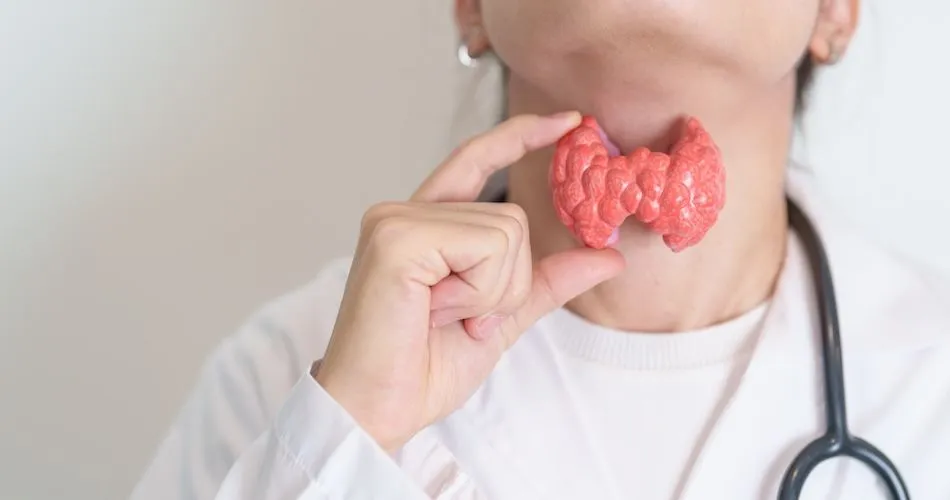


CAR-T cell therapy has helped many people with blood cancers experience long-lasting remissions. As more people live longer after treatment, researchers are studying its long-term side effects. A new study presented at ASCO 2026 found that CAR-T was not linked to a higher risk of thyroid problems compared with chemotherapy alone.
Discover How You Can Easily Support Cancer Research
Why thyroid health matters
The thyroid is a small gland in the neck. It makes hormones. These help control body temperature, heart rate, metabolism, and other body functions.
Hypothyroidism happens when the thyroid does not make enough hormones. Symptoms can include fatigue, weight gain, feeling cold, dry skin, and constipation.
Thyroiditis is inflammation of the thyroid gland. It can sometimes affect thyroid hormone levels.
Some cancer immunotherapies can increase the risk of thyroid problems. Researchers wanted to learn whether CAR-T had a similar effect.
Researchers compared two treatment groups
The study included adults with several blood cancers, including:
- Large B-cell lymphoma
- Follicular lymphoma
- Mantle cell lymphoma
- Multiple myeloma
- Acute lymphoblastic leukemia
Researchers compared patients who received CAR-T after chemotherapy with patients who received chemotherapy alone.
After matching patients with similar characteristics, each group included about 878 people.
Researchers then looked for new cases of hypothyroidism or thyroiditis after treatment.
Thyroid problems were rare
Thyroid problems were uncommon in both groups.
Among patients who received CAR-T after chemotherapy, 1.8% developed hypothyroidism or thyroiditis. In the chemotherapy-alone group, 2.4% developed these conditions.
The difference was small. Researchers found no evidence that CAR-T increased the risk of thyroid problems.
Tell your healthcare team about new symptoms
Even though thyroid problems were uncommon, it is important to report new symptoms to your doctor.
Fatigue, weight changes, feeling unusually cold, or changes in energy levels can have many causes after cancer treatment. In some cases, thyroid testing may help identify the cause.
What researchers will study next
CAR-T continues to play an important role in treating many blood cancers. This study provides reassuring information about thyroid health after treatment.
Researchers will continue to study the long-term effects of CAR-T as more people receive this treatment and live longer after therapy.
We need your help! Easily contribute to cancer research.
If you are living with cancer, we need your support to improve patient outcomes for all by taking simple, anonymous surveys that contribute to real-world research with HealthTree. Click the buttons below to get started or see the current impact of this research!
See Patients’ Progress: Research Results News
Source:
CAR-T cell therapy has helped many people with blood cancers experience long-lasting remissions. As more people live longer after treatment, researchers are studying its long-term side effects. A new study presented at ASCO 2026 found that CAR-T was not linked to a higher risk of thyroid problems compared with chemotherapy alone.
Discover How You Can Easily Support Cancer Research
Why thyroid health matters
The thyroid is a small gland in the neck. It makes hormones. These help control body temperature, heart rate, metabolism, and other body functions.
Hypothyroidism happens when the thyroid does not make enough hormones. Symptoms can include fatigue, weight gain, feeling cold, dry skin, and constipation.
Thyroiditis is inflammation of the thyroid gland. It can sometimes affect thyroid hormone levels.
Some cancer immunotherapies can increase the risk of thyroid problems. Researchers wanted to learn whether CAR-T had a similar effect.
Researchers compared two treatment groups
The study included adults with several blood cancers, including:
- Large B-cell lymphoma
- Follicular lymphoma
- Mantle cell lymphoma
- Multiple myeloma
- Acute lymphoblastic leukemia
Researchers compared patients who received CAR-T after chemotherapy with patients who received chemotherapy alone.
After matching patients with similar characteristics, each group included about 878 people.
Researchers then looked for new cases of hypothyroidism or thyroiditis after treatment.
Thyroid problems were rare
Thyroid problems were uncommon in both groups.
Among patients who received CAR-T after chemotherapy, 1.8% developed hypothyroidism or thyroiditis. In the chemotherapy-alone group, 2.4% developed these conditions.
The difference was small. Researchers found no evidence that CAR-T increased the risk of thyroid problems.
Tell your healthcare team about new symptoms
Even though thyroid problems were uncommon, it is important to report new symptoms to your doctor.
Fatigue, weight changes, feeling unusually cold, or changes in energy levels can have many causes after cancer treatment. In some cases, thyroid testing may help identify the cause.
What researchers will study next
CAR-T continues to play an important role in treating many blood cancers. This study provides reassuring information about thyroid health after treatment.
Researchers will continue to study the long-term effects of CAR-T as more people receive this treatment and live longer after therapy.
We need your help! Easily contribute to cancer research.
If you are living with cancer, we need your support to improve patient outcomes for all by taking simple, anonymous surveys that contribute to real-world research with HealthTree. Click the buttons below to get started or see the current impact of this research!
Source:

about the author
Megan Heaps
Megan joined HealthTree in 2022. She enjoys helping patients and their care partners understand the various aspects of the cancer. This understanding enables them to better advocate for themselves and improve their treatment outcomes.
More on Conferences






Get the Latest Lymphoma Updates, Delivered to You.
By subscribing to the HealthTree newsletter, you'll receive the latest research, treatment updates, and expert insights to help you navigate your health.
Together we care.
Together we cure.