![[logo] HealthTree Foundation](https://static.healthtree.org/icons/icon_spinner.svg)
![[logo] HealthTree Foundation](https://static.healthtree.org/logo_icon_only.svg)
New Research on Fertility After Cancer
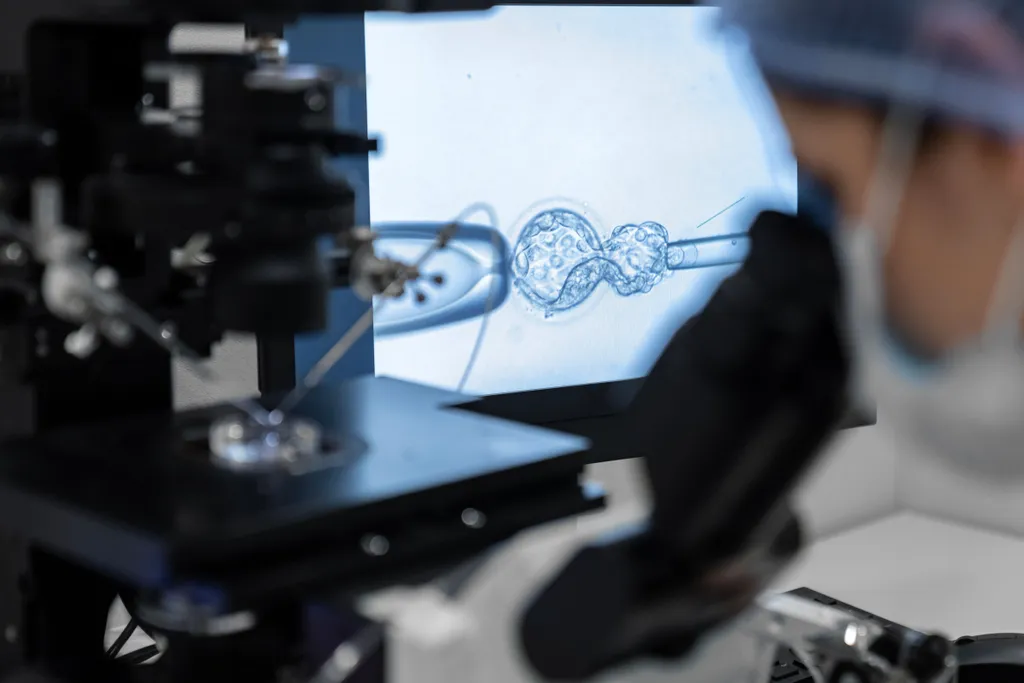


Cancer itself or the treatments for cancer can affect a person’s ability to become pregnant. Research presented at the American Society of Clinical Oncology (ASCO) reviews fertility outcomes among women who had previously been diagnosed with cancer.
How does cancer and cancer treatment affect fertility?
Fertility is the ability to become pregnant and carry the pregnancy to term.
Many cancer treatments, including chemotherapy, radiation, and certain surgeries, can affect the ovaries, uterus, or reproductive hormones, making it more difficult to conceive and carry a baby to term.
These effects can vary based on age, cancer type, and treatment plan. If becoming pregnant is important to you, it is important to talk to your care team about your options for fertility preservation. Fertility preservation is the term used to describe ways to have a child after cancer treatment. It is important to talk about fertility preservation before treatment begins. This will help you understand your options and make informed decisions about your reproductive goals.
Your care team may refer you to a gynecologist or other specialist to discuss your options further.
Recently, guest speaker and ALL survivor, William Yank shared his experience as a young adult diagnosed with acute lymphocytic leukemia (ALL) during a HealthTree webinar. William shared his story of hope through diagnosis and fertility preservation.
What the latest research says about fertility after cancer
In this study, researchers analyzed data from more than 286,000 women diagnosed with cancer between the ages of 15 and 45. They wanted to better understand fertility outcomes after cancer. Over an average follow-up period of 8.3 years, nearly 20,000 women had a total of 25,586 babies.
Overall, cancer survivors gave birth at less than half the rate of women in the general population. Birth rates were particularly low among women with gynecologic and breast cancers, while women with thyroid cancer or lymphoma had the highest rates of childbirth after diagnosis.
The study also looked at the use of assisted reproductive technology (ART). ART refers to fertility preservation methods such as egg or embryo freezing and in vitro fertilization (IVF). Only 1.6% of patients used ART after their cancer diagnosis, although use was more common among women with breast cancer.
Patients whose cancer treatments were expected to have a greater impact on fertility were more likely to use fertility preservation strategies. Importantly, among women who did access ART, live birth rates were similar to those reported by fertility clinics nationwide, suggesting that these technologies can be effective for cancer survivors.
The findings highlight both the significant impact cancer can have on fertility and the ongoing need to improve access to fertility preservation and reproductive care as part of survivorship planning.
HealthTree Foundation is committed to improving lives and finding cures for people living with blood cancer. By creating a HealthTree Account and completing simple surveys, you can support this mission and improve researchers’ understanding of what people living with blood cancer experience.
Sources:
- ASCO-Standardized birth rates and access to assisted reproductive technology among female cancer patients in the United States.
- How Cancer and Cancer Treatment Can Affect Fertility in Women
- NIH Assisted Reproductive Technology
- HealthTree Patient Story-William Yank
- HealthTree-William Yank Fertility and Hope
Cancer itself or the treatments for cancer can affect a person’s ability to become pregnant. Research presented at the American Society of Clinical Oncology (ASCO) reviews fertility outcomes among women who had previously been diagnosed with cancer.
How does cancer and cancer treatment affect fertility?
Fertility is the ability to become pregnant and carry the pregnancy to term.
Many cancer treatments, including chemotherapy, radiation, and certain surgeries, can affect the ovaries, uterus, or reproductive hormones, making it more difficult to conceive and carry a baby to term.
These effects can vary based on age, cancer type, and treatment plan. If becoming pregnant is important to you, it is important to talk to your care team about your options for fertility preservation. Fertility preservation is the term used to describe ways to have a child after cancer treatment. It is important to talk about fertility preservation before treatment begins. This will help you understand your options and make informed decisions about your reproductive goals.
Your care team may refer you to a gynecologist or other specialist to discuss your options further.
Recently, guest speaker and ALL survivor, William Yank shared his experience as a young adult diagnosed with acute lymphocytic leukemia (ALL) during a HealthTree webinar. William shared his story of hope through diagnosis and fertility preservation.
What the latest research says about fertility after cancer
In this study, researchers analyzed data from more than 286,000 women diagnosed with cancer between the ages of 15 and 45. They wanted to better understand fertility outcomes after cancer. Over an average follow-up period of 8.3 years, nearly 20,000 women had a total of 25,586 babies.
Overall, cancer survivors gave birth at less than half the rate of women in the general population. Birth rates were particularly low among women with gynecologic and breast cancers, while women with thyroid cancer or lymphoma had the highest rates of childbirth after diagnosis.
The study also looked at the use of assisted reproductive technology (ART). ART refers to fertility preservation methods such as egg or embryo freezing and in vitro fertilization (IVF). Only 1.6% of patients used ART after their cancer diagnosis, although use was more common among women with breast cancer.
Patients whose cancer treatments were expected to have a greater impact on fertility were more likely to use fertility preservation strategies. Importantly, among women who did access ART, live birth rates were similar to those reported by fertility clinics nationwide, suggesting that these technologies can be effective for cancer survivors.
The findings highlight both the significant impact cancer can have on fertility and the ongoing need to improve access to fertility preservation and reproductive care as part of survivorship planning.
HealthTree Foundation is committed to improving lives and finding cures for people living with blood cancer. By creating a HealthTree Account and completing simple surveys, you can support this mission and improve researchers’ understanding of what people living with blood cancer experience.
Sources:
- ASCO-Standardized birth rates and access to assisted reproductive technology among female cancer patients in the United States.
- How Cancer and Cancer Treatment Can Affect Fertility in Women
- NIH Assisted Reproductive Technology
- HealthTree Patient Story-William Yank
- HealthTree-William Yank Fertility and Hope

about the author
Bethany Howell
Bethany joined HealthTree in 2025. She is passionate about supporting patients and their care partners and improving access to quality care.
More on Navigating Your Health







Get the Latest Large B Cell Lymphoma Updates, Delivered to You.
By subscribing to the HealthTree newsletter, you'll receive the latest research, treatment updates, and expert insights to help you navigate your health.
Together we care.
Together we cure.