![[logo] HealthTree Foundation](https://static.healthtree.org/icons/icon_spinner.svg)
![[logo] HealthTree Foundation](https://static.healthtree.org/logo_icon_only.svg)
The Spleen: The Body’s Filter and Immune Organ
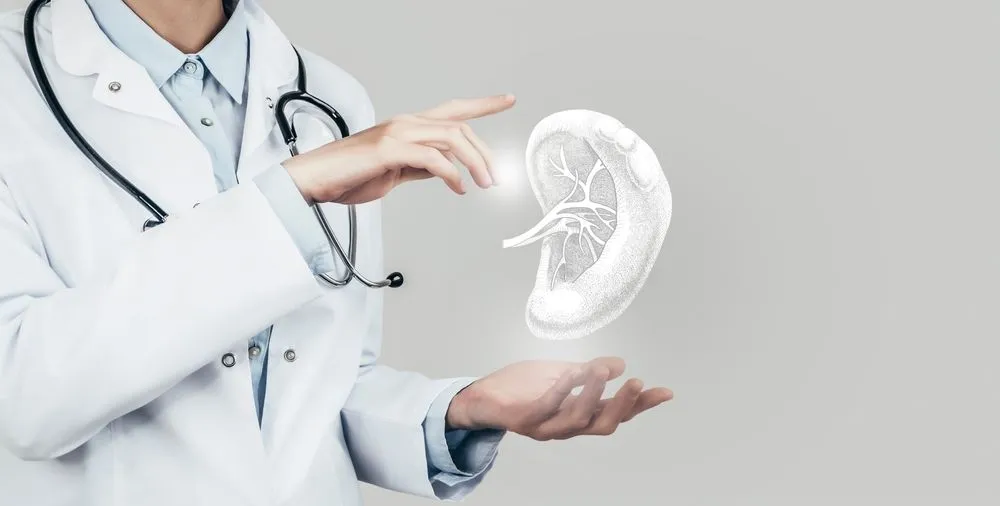


The human body contains many specialized organs that work together to keep you healthy. One of the most important is often overlooked: the spleen.
Located on the left side of your abdomen, the spleen acts as a dedicated filter for your blood and a powerhouse for your immune system. For blood cancer patients, understanding the spleen is particularly important because certain treatments and the cancer itself can alter how the spleen works.
Vocabulary to know:
- Lymphatic system: The network of organs (including the spleen) that helps get rid of toxins and protect the body from infections.
- Splenomegaly: Spleen enlargement or large spleen.
- Physiology: How body systems work.
- Splenectomy: Surgical removal of the spleen for curative purposes.
- Pathogen: Any microorganism that can cause disease (virus, bacteria, parasites, fungi, prions).
What is the spleen?
The spleen is an organ located on the left side of your belly, tucked under your ribs. Normally, it is about the size of a fist or a small avocado. The spleen is often overlooked, but its function is very important for blood health.
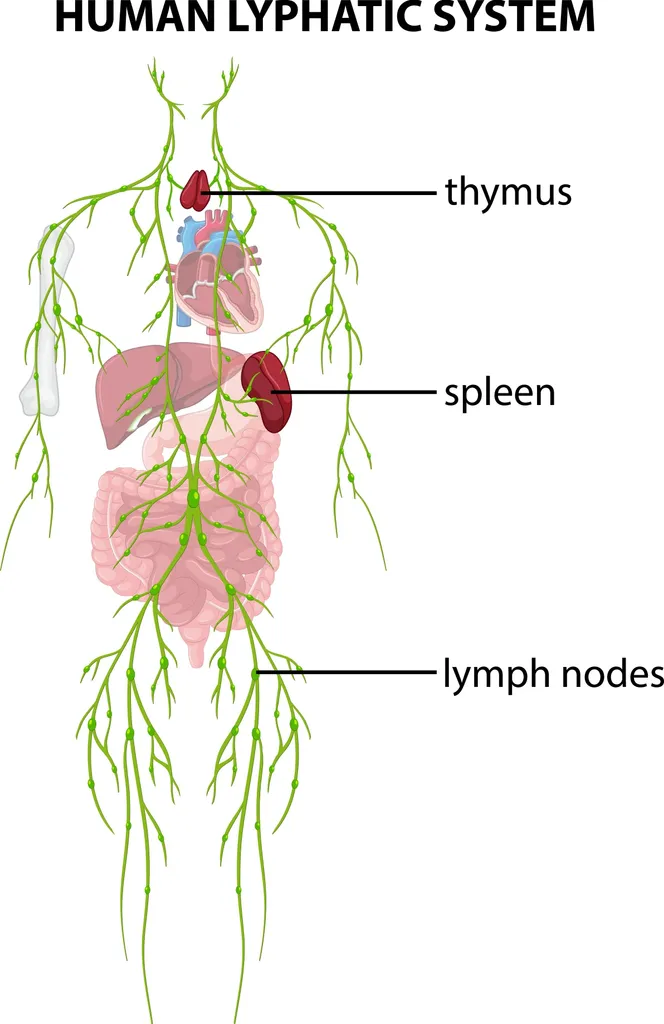
It works as a filter, getting rid of old, damaged, or misshapen red blood cells. It is part of the lymphatic system, a network of tissues and organs that help the body remove toxins, abnormal cells and pathogens.
How does the spleen work?
The spleen has two main jobs that help the body function properly. These jobs are often described by looking at the two types of tissue inside the organ: red pulp and white pulp.
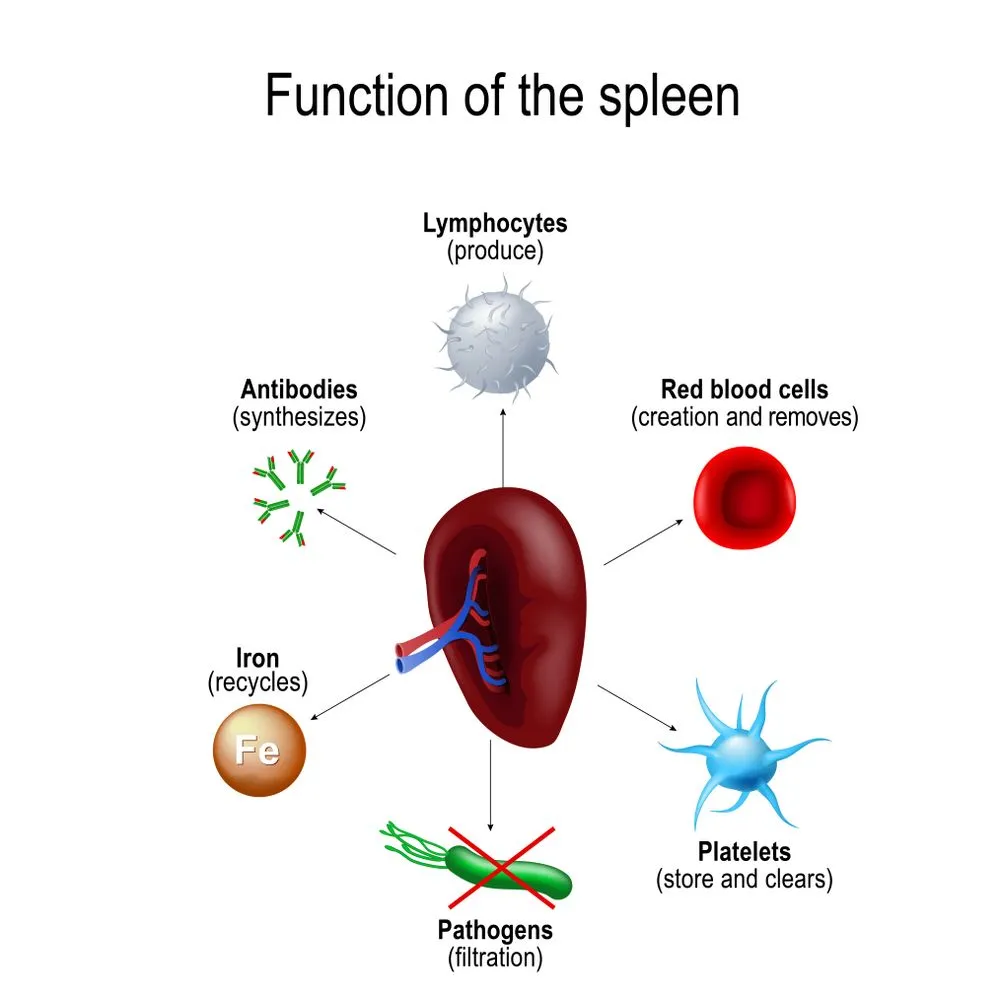
The blood filter: The red pulp acts like a recycling center for your blood. Red blood cells carry oxygen to your muscles and brain, but they only last about four months. When these cells get old, damaged, or misshapen, the spleen filters them out and breaks them down.
It saves useful materials like iron so the body can reuse them to make new blood cells. The spleen also acts as a storage tank. It holds a reserve of extra blood and platelets, which are the cells that help your blood clot when you have a cut.
The immune response: The white pulp is the part of the organ that belongs to the immune system. It contains white blood cells called lymphocytes. As blood flows through the spleen, lymphocytes look for abnormal cells, bacteria, or viruses. If they find a germ, the spleen helps create antibodies to fight the infection.
Why monitoring the spleen is important in blood cancers
For someone with blood cancer, the spleen becomes very important for several reasons.
Enlarged spleen (splenomegaly). Certain types of cancer, such as myelofibrosis, leukemia, or lymphoma, can cause the spleen to grow much larger than normal. This happens because the spleen may become clogged with abnormal cancer cells or work too hard to filter damaged blood.
When the spleen is too big, it might cause a dull pain in the left side of the belly. It can also make a person feel full even after eating only a small amount of food because the spleen is pressing against the stomach. Some medications reduce the spleen size and in some cases, if the spleen size is very large, it can be removed with a surgery (splenectomy).
Changes in blood counts. Some cancer treatments like chemotherapy can lower the number of healthy blood cells. Since the spleen is responsible for storing and filtering these cells, it can be affected by these changes. If the spleen is overactive, it might remove too many healthy platelets, leading to low platelet levels that may cause easy bruising or bleeding.
Risk of infection. Because the spleen is a major part of the immune system, any problem with it makes it harder for the body to clear pathogens. Cancer patients often have weakened immune systems. If the spleen is not working correctly, a simple cold or a bacterial infection can be harder to get rid of.
When is a splenectomy necessary?
In some situations, a doctor may determine that the spleen is doing more harm than good. This can happen if the organ becomes so enlarged that it risks rupturing or if it begins destroying healthy blood cells that the body needs.
When this occurs, a surgeon may perform a splenectomy. While the idea of losing an organ sounds scary, the human body is designed with backup systems that allow you to live a full life without it.
Can you live without a spleen?
You might wonder how the body functions without its main blood filter. The reason you can live without a spleen is that it is not the only organ that manages blood health. Once the spleen is gone, the liver takes over the most important responsibilities.
The liver is capable of identifying and removing old or damaged red blood cells from the bloodstream. The lymphatic system is a very large organ that runs all over your body, it also helps thanks to other lymph nodes. They continue to filter out waste and help manage your immune response. Because these other parts of the body are so efficient, you may not experience major side effects in your digestion or your daily energy levels after a splenectomy.
What to expect after a splenectomy?
Even though the liver handles the cleaning of the blood, the spleen is a major base for the immune system. Without it, you are at a higher risk for certain types of bacterial infections. To stay safe, patients who have had their spleen removed must follow a specific protection plan.
- Vaccinations: This is a pillar for preventing bacterial and viral infections like pneumonia and meningitis. These shots help your immune system recognize germs that the spleen would normally handle.
- Antibiotics: In some cases, your medical team might give you a daily dose of antibiotics or keep a "rescue" supply at home to use at the first sign of illness.
- Medical alerts: Many patients wear a medical alert bracelet. This tells emergency workers that they do not have a spleen, so that infections can be treated much faster.
When to call your health team?
Whether you still have your spleen or it has been removed, you should stay alert for specific symptoms. If you still have your spleen, watch for a heavy or painful feeling in the upper left side of your stomach. You should also take notice if you feel full very quickly after eating. These are signs that the spleen may be enlarged.
If your spleen has been removed, the most important symptom to watch for is a fever. Because your immune system is less protected, even a low fever is an alert sign. You should also call your doctor immediately if you experience chills, an unexplained cough, or a severe sore throat.
Learning the basics such as how your organs work is simple with HealthTree. We empower people with information and community, and we advocate for information, awareness, and patient-centered research. Learn more about HealthTree and our mission to provide new hope to everyone answering the call to cure cancer.
Sources:
The human body contains many specialized organs that work together to keep you healthy. One of the most important is often overlooked: the spleen.
Located on the left side of your abdomen, the spleen acts as a dedicated filter for your blood and a powerhouse for your immune system. For blood cancer patients, understanding the spleen is particularly important because certain treatments and the cancer itself can alter how the spleen works.
Vocabulary to know:
- Lymphatic system: The network of organs (including the spleen) that helps get rid of toxins and protect the body from infections.
- Splenomegaly: Spleen enlargement or large spleen.
- Physiology: How body systems work.
- Splenectomy: Surgical removal of the spleen for curative purposes.
- Pathogen: Any microorganism that can cause disease (virus, bacteria, parasites, fungi, prions).
What is the spleen?
The spleen is an organ located on the left side of your belly, tucked under your ribs. Normally, it is about the size of a fist or a small avocado. The spleen is often overlooked, but its function is very important for blood health.
It works as a filter, getting rid of old, damaged, or misshapen red blood cells. It is part of the lymphatic system, a network of tissues and organs that help the body remove toxins, abnormal cells and pathogens.
How does the spleen work?
The spleen has two main jobs that help the body function properly. These jobs are often described by looking at the two types of tissue inside the organ: red pulp and white pulp.
The blood filter: The red pulp acts like a recycling center for your blood. Red blood cells carry oxygen to your muscles and brain, but they only last about four months. When these cells get old, damaged, or misshapen, the spleen filters them out and breaks them down.
It saves useful materials like iron so the body can reuse them to make new blood cells. The spleen also acts as a storage tank. It holds a reserve of extra blood and platelets, which are the cells that help your blood clot when you have a cut.
The immune response: The white pulp is the part of the organ that belongs to the immune system. It contains white blood cells called lymphocytes. As blood flows through the spleen, lymphocytes look for abnormal cells, bacteria, or viruses. If they find a germ, the spleen helps create antibodies to fight the infection.
Why monitoring the spleen is important in blood cancers
For someone with blood cancer, the spleen becomes very important for several reasons.
Enlarged spleen (splenomegaly). Certain types of cancer, such as myelofibrosis, leukemia, or lymphoma, can cause the spleen to grow much larger than normal. This happens because the spleen may become clogged with abnormal cancer cells or work too hard to filter damaged blood.
When the spleen is too big, it might cause a dull pain in the left side of the belly. It can also make a person feel full even after eating only a small amount of food because the spleen is pressing against the stomach. Some medications reduce the spleen size and in some cases, if the spleen size is very large, it can be removed with a surgery (splenectomy).
Changes in blood counts. Some cancer treatments like chemotherapy can lower the number of healthy blood cells. Since the spleen is responsible for storing and filtering these cells, it can be affected by these changes. If the spleen is overactive, it might remove too many healthy platelets, leading to low platelet levels that may cause easy bruising or bleeding.
Risk of infection. Because the spleen is a major part of the immune system, any problem with it makes it harder for the body to clear pathogens. Cancer patients often have weakened immune systems. If the spleen is not working correctly, a simple cold or a bacterial infection can be harder to get rid of.
When is a splenectomy necessary?
In some situations, a doctor may determine that the spleen is doing more harm than good. This can happen if the organ becomes so enlarged that it risks rupturing or if it begins destroying healthy blood cells that the body needs.
When this occurs, a surgeon may perform a splenectomy. While the idea of losing an organ sounds scary, the human body is designed with backup systems that allow you to live a full life without it.
Can you live without a spleen?
You might wonder how the body functions without its main blood filter. The reason you can live without a spleen is that it is not the only organ that manages blood health. Once the spleen is gone, the liver takes over the most important responsibilities.
The liver is capable of identifying and removing old or damaged red blood cells from the bloodstream. The lymphatic system is a very large organ that runs all over your body, it also helps thanks to other lymph nodes. They continue to filter out waste and help manage your immune response. Because these other parts of the body are so efficient, you may not experience major side effects in your digestion or your daily energy levels after a splenectomy.
What to expect after a splenectomy?
Even though the liver handles the cleaning of the blood, the spleen is a major base for the immune system. Without it, you are at a higher risk for certain types of bacterial infections. To stay safe, patients who have had their spleen removed must follow a specific protection plan.
- Vaccinations: This is a pillar for preventing bacterial and viral infections like pneumonia and meningitis. These shots help your immune system recognize germs that the spleen would normally handle.
- Antibiotics: In some cases, your medical team might give you a daily dose of antibiotics or keep a "rescue" supply at home to use at the first sign of illness.
- Medical alerts: Many patients wear a medical alert bracelet. This tells emergency workers that they do not have a spleen, so that infections can be treated much faster.
When to call your health team?
Whether you still have your spleen or it has been removed, you should stay alert for specific symptoms. If you still have your spleen, watch for a heavy or painful feeling in the upper left side of your stomach. You should also take notice if you feel full very quickly after eating. These are signs that the spleen may be enlarged.
If your spleen has been removed, the most important symptom to watch for is a fever. Because your immune system is less protected, even a low fever is an alert sign. You should also call your doctor immediately if you experience chills, an unexplained cough, or a severe sore throat.
Learning the basics such as how your organs work is simple with HealthTree. We empower people with information and community, and we advocate for information, awareness, and patient-centered research. Learn more about HealthTree and our mission to provide new hope to everyone answering the call to cure cancer.
Sources:

about the author
Jimena Vicencio
Jimena is an International Medical Graduate and a member of the HealthTree Writing team. Currently pursuing a bachelor's degree in journalism, she combines her medical background with a storyteller’s heart to make complex healthcare topics accessible to everyone. Driven by a deep belief that understanding health is a universal right, she is committed to translating scientific and medical knowledge into clear, compassionate language that empowers individuals to take control of their well-being.
More on Navigating Your Health









Get the Latest Chronic Myelomonocytic Leukemia Updates, Delivered to You.
By subscribing to the HealthTree newsletter, you'll receive the latest research, treatment updates, and expert insights to help you navigate your health.
Together we care.
Together we cure.