![[logo] HealthTree Foundation](https://static.healthtree.org/icons/icon_spinner.svg)
![[logo] HealthTree Foundation](https://static.healthtree.org/logo_icon_only.svg)
Navigating Health Risks For Adults Who Had Childhood Cancer
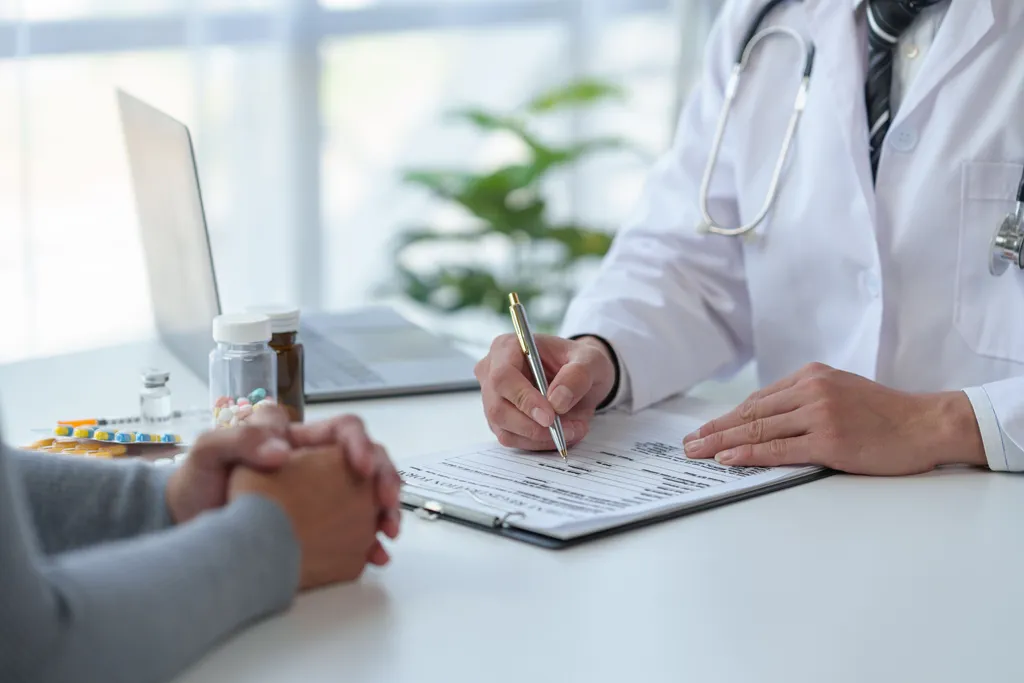


Even though treatments have improved over time, adults who had cancer as children continue to see an increased risk of chronic health issues and mortality.
A recent study evaluated survival statistics among people 50 years or older who had cancer during their childhood. The study reviewed the data of 7,490 people from the Childhood Cancer Survival Study, a large study that tracks the long-term health of people who were diagnosed with cancer as children.
For childhood cancer survivors who were still alive at age 50, the study found that the risk of mortality was:
- 8% at age 55
- 18% at age 60
- 32% at age 65
Lasting impact of cancer treatment for childhood cancer survivors
Many of the standard treatments for cancer have severe effects on the body and result in the development of chronic conditions. These conditions can last for months or even years after cancer treatment and have a significant impact on overall health.
The most common cause of death for the childhood cancer survivors in this study was a secondary cancer. Of those who developed a second cancer, 40% were directly linked to exposure to radiation therapy.
Several types of cancer are treated with radiation therapy. The effects that radiation can have on the body can vary and depend on the location of the cancer and the dose of the treatment.
The research also found that people studied were more than twice as likely to develop a chronic health condition after treatment.
The importance of follow-up care and screening for childhood cancer survivors
The researchers found several factors that contribute to long-term health and survival outcomes, including:
- Treatment side effects
- Follow-up screening and care
- Lifestyle modifications
Follow-up care is very important for all cancer survivors. This care includes monitoring you for a cancer recurrence, which is when your original cancer comes back. You will also be monitored for secondary cancers. A secondary cancer is when you develop a different cancer from your original diagnosis.
Your care team can help create a follow-up plan to manage side effects and help you prepare for the next steps in your care.
Implementing lifestyle changes as a childhood cancer survivor
Making lifestyle changes can have a significant impact on your health and well-being after cancer treatment ends.
Talking with a therapist can help to process the range of emotions you may experience during and after cancer care.
Working with a nutritionist who specializes in cancer nutrition can help you stay on track and fuel your body appropriately based on your individual needs.
Getting regular exercise after cancer care can help you regain strength and protect muscles and organs. Consistent exercise also helps to boost your mood and energy levels.
One of the most important things you can do for your health is have regular physicals with a primary care physician who is aware of your cancer history.
Questions to ask about your follow-up care after childhood cancer
- How often should I have check-ups, lab tests, or other screening tests after treatment?
- What symptoms should I be watching for to report right away?
- Can you connect me with a social worker or financial navigator who can help me plan for continued care?
Connect with others navigating life after childhood cancer
Sharing insights and experience with cancer leads to a deeper understanding of the patient experience, improved treatments, earlier diagnoses, and a better understanding of how cancer affects different people.
When you join HealthTree Cure Hub, you will have the opportunity to hear from others and participate in real-world data studies through short surveys that can improve outcomes for the entire community.
Sources:
Even though treatments have improved over time, adults who had cancer as children continue to see an increased risk of chronic health issues and mortality.
A recent study evaluated survival statistics among people 50 years or older who had cancer during their childhood. The study reviewed the data of 7,490 people from the Childhood Cancer Survival Study, a large study that tracks the long-term health of people who were diagnosed with cancer as children.
For childhood cancer survivors who were still alive at age 50, the study found that the risk of mortality was:
- 8% at age 55
- 18% at age 60
- 32% at age 65
Lasting impact of cancer treatment for childhood cancer survivors
Many of the standard treatments for cancer have severe effects on the body and result in the development of chronic conditions. These conditions can last for months or even years after cancer treatment and have a significant impact on overall health.
The most common cause of death for the childhood cancer survivors in this study was a secondary cancer. Of those who developed a second cancer, 40% were directly linked to exposure to radiation therapy.
Several types of cancer are treated with radiation therapy. The effects that radiation can have on the body can vary and depend on the location of the cancer and the dose of the treatment.
The research also found that people studied were more than twice as likely to develop a chronic health condition after treatment.
The importance of follow-up care and screening for childhood cancer survivors
The researchers found several factors that contribute to long-term health and survival outcomes, including:
- Treatment side effects
- Follow-up screening and care
- Lifestyle modifications
Follow-up care is very important for all cancer survivors. This care includes monitoring you for a cancer recurrence, which is when your original cancer comes back. You will also be monitored for secondary cancers. A secondary cancer is when you develop a different cancer from your original diagnosis.
Your care team can help create a follow-up plan to manage side effects and help you prepare for the next steps in your care.
Implementing lifestyle changes as a childhood cancer survivor
Making lifestyle changes can have a significant impact on your health and well-being after cancer treatment ends.
Talking with a therapist can help to process the range of emotions you may experience during and after cancer care.
Working with a nutritionist who specializes in cancer nutrition can help you stay on track and fuel your body appropriately based on your individual needs.
Getting regular exercise after cancer care can help you regain strength and protect muscles and organs. Consistent exercise also helps to boost your mood and energy levels.
One of the most important things you can do for your health is have regular physicals with a primary care physician who is aware of your cancer history.
Questions to ask about your follow-up care after childhood cancer
- How often should I have check-ups, lab tests, or other screening tests after treatment?
- What symptoms should I be watching for to report right away?
- Can you connect me with a social worker or financial navigator who can help me plan for continued care?
Connect with others navigating life after childhood cancer
Sharing insights and experience with cancer leads to a deeper understanding of the patient experience, improved treatments, earlier diagnoses, and a better understanding of how cancer affects different people.
When you join HealthTree Cure Hub, you will have the opportunity to hear from others and participate in real-world data studies through short surveys that can improve outcomes for the entire community.
Sources:
about the author
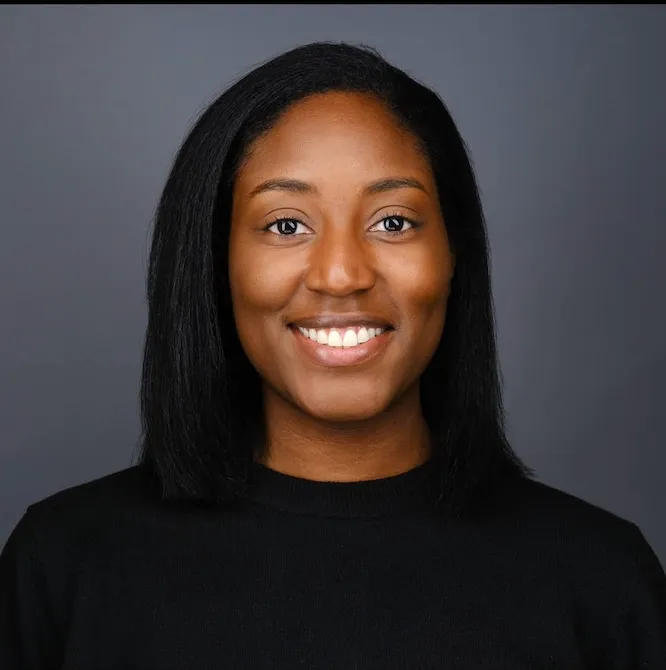
Bethany Howell
Bethany joined HealthTree in 2025. She is passionate about supporting patients and their care partners and improving access to quality care.
More on Navigating Your Health


Trending Articles


Get the Latest Blood Cancer Updates, Delivered to You.
By subscribing to the HealthTree newsletter, you'll receive the latest research, treatment updates, and expert insights to help you navigate your health.
Together we care.
Together we cure.