![[logo] HealthTree Foundation](https://static.healthtree.org/icons/icon_spinner.svg)
![[logo] HealthTree Foundation](https://static.healthtree.org/logo_icon_only.svg)
U.S. FDA Approves Sonrotoclax (Beqalzi) for Mantle Cell Lymphoma
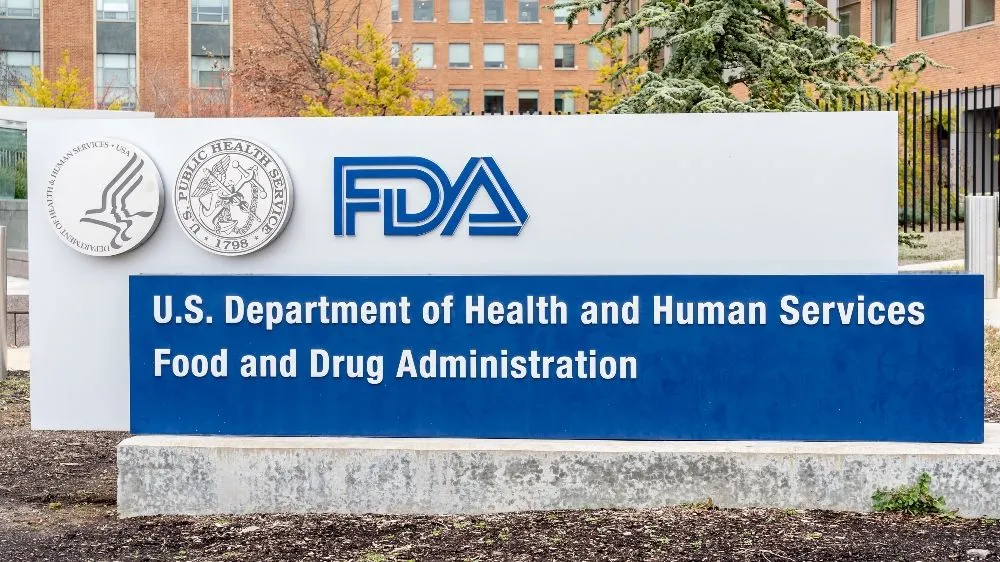


On May 13, 2026, the U.S. Food and Drug Administration (FDA) approved sonrotoclax (Beqalzi, BeOne Medicines) for adults with relapsed or refractory mantle cell lymphoma (MCL) after at least two prior treatments, including a BTK inhibitor.
MCL is a rare and often aggressive type of non-Hodgkin lymphoma. About 3,300 people in the United States are diagnosed with MCL each year. While many people respond to first treatments, the lymphoma often returns over time. Outcomes can become more difficult after treatment, especially after a BTK inhibitor.
Sonrotoclax is a next-generation BCL-2 inhibitor. Researchers designed it to be more selective and potent than earlier medicines in this drug class. This means it may target lymphoma cells more precisely, affect fewer healthy cells, and work more strongly against cancer cells.
The approval of sonrotoclax gives people with relapsed or refractory MCL a new targeted treatment option. It is also the first BCL-2 inhibitor approved for MCL and the first new BCL-2 inhibitor approved in the United States in about 10 years.
“The data supporting the approval of sonrotoclax in the U.S. confirm its role as a foundational therapy for mantle cell lymphoma in the post-BTK inhibitor setting, and demonstrate that it can deliver robust disease control when treatment choices are limited and outcomes are poor. From a clinical perspective, this provides physicians with an important new option grounded in both efficacy and tolerability, fundamentally changing how we think about sequencing therapy in this disease.” -Michael Wang, MD, from MD Anderson Cancer Center, said in a press release.
How does sonrotoclax treat MCL?
Sonrotoclax is an oral targeted therapy called a BCL-2 inhibitor. BCL-2 is a protein that helps lymphoma cells survive. Sonrotoclax blocks this protein, which may help lymphoma cells die.
The treatment starts with a four-week “ramp-up” dosing schedule. A ramp-up phase slowly increases the dose over time. This helps lower the risk of tumor lysis syndrome (TLS), a serious condition caused by the quick breakdown of cancer cells. After the ramp-up phase, patients take 320 mg by mouth once daily until the lymphoma worsens or possible side effects outweigh the benefits of treatment.
The study that led to sonrotoclax’s approval for MCL
The FDA approval was based on results from the phase 1/2 BGB-11417-201 clinical trial. The study included 103 adults with relapsed or refractory MCL who had previously received an anti-CD20 therapy and a BTK inhibitor. Researchers found:
- Overall response rate (ORR): 52%
- Complete response (CR) rate: 16%
- Median time to response: 1.9 months
- Median duration of response (DOR): 15.8 months
These findings are important because treatment options can become limited after BTK inhibitors stop working. The results showed that some people responded quickly and maintained responses for more than a year. Continued FDA approval will depend on results from the ongoing confirmatory CELESTIAL-RRMCL trial.
What are the common side effects of sonrotoclax?
The most common side effects of sonrotoclax for people with MCL were:
- Low blood counts (about half of patients)
- Pneumonia (16%)
- Fatigue (16%)
During the clinical trial, fewer than 8% of patients stopped treatment due to side effects.
Next steps for people living with MCL
If you or a loved one has MCL, ask your healthcare team about how your current treatment is working for you and if sonrotoclax or ongoing studies may be right for you.
Questions to ask your care team about sonrotoclax
Consider asking your care team the following questions about sonrotoclax:
- Is sonrotoclax an option for my type of MCL?
- How are potential side effects managed?
- How often will I need tests during treatment?
Get the latest lymphoma updates, delivered to you! The HealthTree newsletter delivers lymphoma research updates, FDA approvals, and more directly to your inbox.
Sources:
On May 13, 2026, the U.S. Food and Drug Administration (FDA) approved sonrotoclax (Beqalzi, BeOne Medicines) for adults with relapsed or refractory mantle cell lymphoma (MCL) after at least two prior treatments, including a BTK inhibitor.
MCL is a rare and often aggressive type of non-Hodgkin lymphoma. About 3,300 people in the United States are diagnosed with MCL each year. While many people respond to first treatments, the lymphoma often returns over time. Outcomes can become more difficult after treatment, especially after a BTK inhibitor.
Sonrotoclax is a next-generation BCL-2 inhibitor. Researchers designed it to be more selective and potent than earlier medicines in this drug class. This means it may target lymphoma cells more precisely, affect fewer healthy cells, and work more strongly against cancer cells.
The approval of sonrotoclax gives people with relapsed or refractory MCL a new targeted treatment option. It is also the first BCL-2 inhibitor approved for MCL and the first new BCL-2 inhibitor approved in the United States in about 10 years.
“The data supporting the approval of sonrotoclax in the U.S. confirm its role as a foundational therapy for mantle cell lymphoma in the post-BTK inhibitor setting, and demonstrate that it can deliver robust disease control when treatment choices are limited and outcomes are poor. From a clinical perspective, this provides physicians with an important new option grounded in both efficacy and tolerability, fundamentally changing how we think about sequencing therapy in this disease.” -Michael Wang, MD, from MD Anderson Cancer Center, said in a press release.
How does sonrotoclax treat MCL?
Sonrotoclax is an oral targeted therapy called a BCL-2 inhibitor. BCL-2 is a protein that helps lymphoma cells survive. Sonrotoclax blocks this protein, which may help lymphoma cells die.
The treatment starts with a four-week “ramp-up” dosing schedule. A ramp-up phase slowly increases the dose over time. This helps lower the risk of tumor lysis syndrome (TLS), a serious condition caused by the quick breakdown of cancer cells. After the ramp-up phase, patients take 320 mg by mouth once daily until the lymphoma worsens or possible side effects outweigh the benefits of treatment.
The study that led to sonrotoclax’s approval for MCL
The FDA approval was based on results from the phase 1/2 BGB-11417-201 clinical trial. The study included 103 adults with relapsed or refractory MCL who had previously received an anti-CD20 therapy and a BTK inhibitor. Researchers found:
- Overall response rate (ORR): 52%
- Complete response (CR) rate: 16%
- Median time to response: 1.9 months
- Median duration of response (DOR): 15.8 months
These findings are important because treatment options can become limited after BTK inhibitors stop working. The results showed that some people responded quickly and maintained responses for more than a year. Continued FDA approval will depend on results from the ongoing confirmatory CELESTIAL-RRMCL trial.
What are the common side effects of sonrotoclax?
The most common side effects of sonrotoclax for people with MCL were:
- Low blood counts (about half of patients)
- Pneumonia (16%)
- Fatigue (16%)
During the clinical trial, fewer than 8% of patients stopped treatment due to side effects.
Next steps for people living with MCL
If you or a loved one has MCL, ask your healthcare team about how your current treatment is working for you and if sonrotoclax or ongoing studies may be right for you.
Questions to ask your care team about sonrotoclax
Consider asking your care team the following questions about sonrotoclax:
- Is sonrotoclax an option for my type of MCL?
- How are potential side effects managed?
- How often will I need tests during treatment?
Get the latest lymphoma updates, delivered to you! The HealthTree newsletter delivers lymphoma research updates, FDA approvals, and more directly to your inbox.
Sources:

about the author
Megan Heaps
Megan joined HealthTree in 2022. She enjoys helping patients and their care partners understand the various aspects of the cancer. This understanding enables them to better advocate for themselves and improve their treatment outcomes.
More on Treatment Advances


Trending Articles








Get the Latest Blood Cancer Updates, Delivered to You.
By subscribing to the HealthTree newsletter, you'll receive the latest research, treatment updates, and expert insights to help you navigate your health.
Together we care.
Together we cure.