![[logo] HealthTree Foundation](https://static.healthtree.org/icons/icon_spinner.svg)
![[logo] HealthTree Foundation](https://static.healthtree.org/logo_icon_only.svg)
Can CLL Increase Skin Cancer Risk?
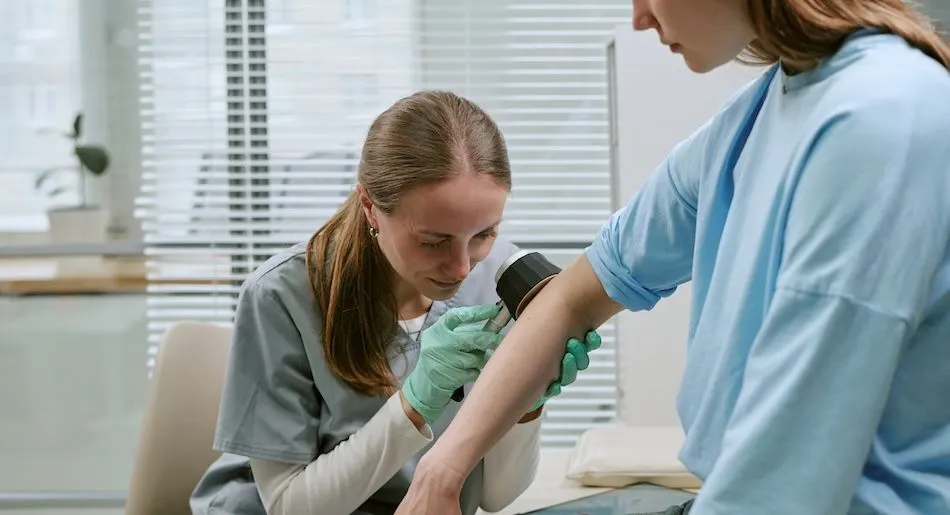


Learn how chronic lymphocytic leukemia (CLL) may increase the risk of skin cancer and what that means for your care.
People with CLL have a higher risk of skin cancer
A large study followed more than 8,000 people with CLL and compared them to over 41,000 people without CLL over about 10 years. They found:
- 13.5% of people with CLL developed skin cancer
- 6.9% of people without CLL developed skin cancer
This shows the risk is about twice as high for people with CLL. The most common types were basal cell carcinoma, which usually grows slowly, and squamous cell carcinoma, which can grow deeper if not treated.
Skin cancer may happen sooner for people with CLL
Skin cancer was also diagnosed earlier in people with CLL. The median time to diagnosis was 5.3 years compared to 7.4 years in people without CLL. The median is the midpoint. This means that half of the patients were diagnosed with skin cancer before the midpoint and half after.
This shorter timeline means it is helpful to start paying attention to skin changes early.
Risk is higher across several skin cancer types
The higher risk was not limited to one kind of skin cancer.
- Basal cell carcinoma: 8.6% of people with CLL vs 5.4% of people without CLL
- Squamous cell carcinoma: 4.7% of CLL vs 1.4%
- Cutaneous lymphoma: 1.8% of CLL vs 0.1%
- Melanoma: 1.0% of CLL vs 0.6%
Melanoma is a more serious type of skin cancer because it can spread if not found early. Cutaneous lymphoma is a type of lymphoma that affects the skin.
These findings show that various skin cancers can affect people with CLL. Having a full skin exam by a dermatologist each year can help find any skin issues.
Serious outcomes are still uncommon but higher in CLL
The study also looked at more serious outcomes like cancer spreading and death related to skin cancer.
Skin cancer spread, called metastasis, in 0.7% of people with CLL compared to 0.1% of people without CLL. Skin cancer-related death occurred in 0.3% of people with CLL and 0.1% of those without.
Even though these risks are higher, the overall numbers remain low. Most people will not experience these outcomes, especially when skin cancers are found and treated early.
Why people with CLL have a higher risk of skin cancer
CLL can affect how the immune system works. The immune system helps the body find and remove abnormal cells, including early cancer cells.
When immune function is weaker, like for people with CLL, it may be harder for the body to control these changes. Some treatments for CLL may also affect the immune system.
This helps explain why both the risk and timing of skin cancer can be different for people with CLL.
What can you do to protect your skin?
Simple habits can help lower skin cancer risk and support early detection:
- Use sunscreen every day.
- Wear protective clothing and hats outdoors.
- Limit time in strong sunlight.
- Check your skin regularly for new or changing spots.
- Have yearly skin exams with a dermatologist.
Let your care team know if you notice a spot that changes, grows, or does not heal.
Learn more about secondary cancer risks for people with CLL: Understanding Secondary Cancer Risks in CLL: Signs, Screening, and Prevention
Key takeaways
People with CLL have a higher chance of developing skin cancer, and it may appear sooner than expected. While serious outcomes are uncommon, staying aware of skin changes and protecting your skin can help support early care.
Get the latest CLL updates delivered to you! The HealthTree newsletter shares core education, research advances, and more directly to your inbox.
Sources:
Learn how chronic lymphocytic leukemia (CLL) may increase the risk of skin cancer and what that means for your care.
People with CLL have a higher risk of skin cancer
A large study followed more than 8,000 people with CLL and compared them to over 41,000 people without CLL over about 10 years. They found:
- 13.5% of people with CLL developed skin cancer
- 6.9% of people without CLL developed skin cancer
This shows the risk is about twice as high for people with CLL. The most common types were basal cell carcinoma, which usually grows slowly, and squamous cell carcinoma, which can grow deeper if not treated.
Skin cancer may happen sooner for people with CLL
Skin cancer was also diagnosed earlier in people with CLL. The median time to diagnosis was 5.3 years compared to 7.4 years in people without CLL. The median is the midpoint. This means that half of the patients were diagnosed with skin cancer before the midpoint and half after.
This shorter timeline means it is helpful to start paying attention to skin changes early.
Risk is higher across several skin cancer types
The higher risk was not limited to one kind of skin cancer.
- Basal cell carcinoma: 8.6% of people with CLL vs 5.4% of people without CLL
- Squamous cell carcinoma: 4.7% of CLL vs 1.4%
- Cutaneous lymphoma: 1.8% of CLL vs 0.1%
- Melanoma: 1.0% of CLL vs 0.6%
Melanoma is a more serious type of skin cancer because it can spread if not found early. Cutaneous lymphoma is a type of lymphoma that affects the skin.
These findings show that various skin cancers can affect people with CLL. Having a full skin exam by a dermatologist each year can help find any skin issues.
Serious outcomes are still uncommon but higher in CLL
The study also looked at more serious outcomes like cancer spreading and death related to skin cancer.
Skin cancer spread, called metastasis, in 0.7% of people with CLL compared to 0.1% of people without CLL. Skin cancer-related death occurred in 0.3% of people with CLL and 0.1% of those without.
Even though these risks are higher, the overall numbers remain low. Most people will not experience these outcomes, especially when skin cancers are found and treated early.
Why people with CLL have a higher risk of skin cancer
CLL can affect how the immune system works. The immune system helps the body find and remove abnormal cells, including early cancer cells.
When immune function is weaker, like for people with CLL, it may be harder for the body to control these changes. Some treatments for CLL may also affect the immune system.
This helps explain why both the risk and timing of skin cancer can be different for people with CLL.
What can you do to protect your skin?
Simple habits can help lower skin cancer risk and support early detection:
- Use sunscreen every day.
- Wear protective clothing and hats outdoors.
- Limit time in strong sunlight.
- Check your skin regularly for new or changing spots.
- Have yearly skin exams with a dermatologist.
Let your care team know if you notice a spot that changes, grows, or does not heal.
Learn more about secondary cancer risks for people with CLL: Understanding Secondary Cancer Risks in CLL: Signs, Screening, and Prevention
Key takeaways
People with CLL have a higher chance of developing skin cancer, and it may appear sooner than expected. While serious outcomes are uncommon, staying aware of skin changes and protecting your skin can help support early care.
Get the latest CLL updates delivered to you! The HealthTree newsletter shares core education, research advances, and more directly to your inbox.
Sources:
about the author
Megan Heaps
Megan joined HealthTree in 2022. She enjoys helping patients and their care partners understand the various aspects of the cancer. This understanding enables them to better advocate for themselves and improve their treatment outcomes.
More on Navigating Your Health



Trending Articles




Get the Latest Blood Cancer Updates, Delivered to You.
By subscribing to the HealthTree newsletter, you'll receive the latest research, treatment updates, and expert insights to help you navigate your health.
Together we care.
Together we cure.