![[logo] HealthTree Foundation](https://static.healthtree.org/icons/icon_spinner.svg)
![[logo] HealthTree Foundation](https://static.healthtree.org/logo_icon_only.svg)
Is a Cure Finally on the Table? The Leading Myeloma Specialists Update the Conversation
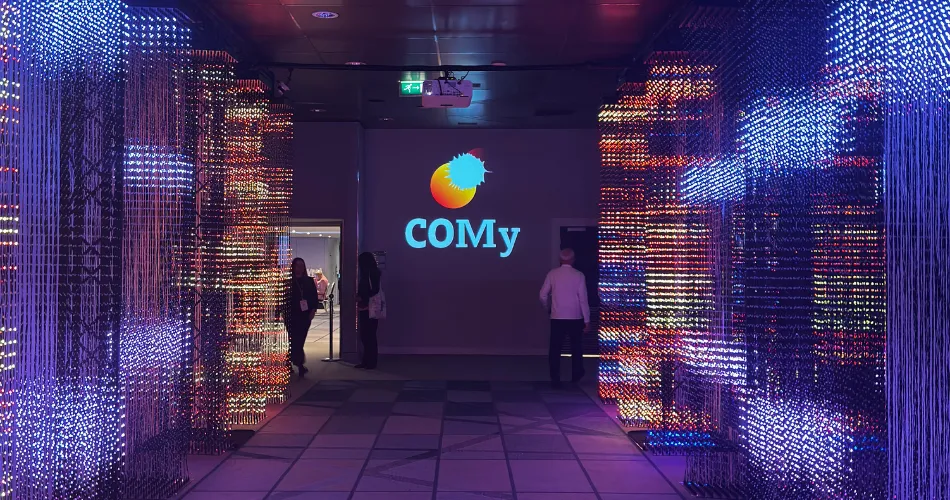


At the 2026 Controversies in Multiple Myeloma (COMy) meeting, an international panel of leading specialists revisited a question that would have seemed out of reach a decade ago: how should the medical community define a cure for myeloma, and is one finally within reach? The session built on conversations that began earlier in the year at a dedicated cure summit in Miami.
Inside the COMy 2026 cure roundtable
The discussion was moderated by Dr. Mohamad Mohty and Dr. Jean-Luc Harousseau of France, with panelists Dr. Gösta Gahrton, Dr. Catarina Geraldes, Dr. Irene Ghobrial, Dr. Sagar Lonial, Dr. Vincent Rajkumar, and Dr. Jesús San Miguel. The panel built on discussions from the Miami summit earlier in the year and used COMy to bring the broader audience up to date on where those discussions now stand.
Why "cure" is now part of the myeloma conversation
Multiple myeloma is a cancer of plasma cells. Plasma cells are the white blood cells in the bone marrow that normally make antibodies to fight infection. For most of modern medical history, it has been classified as incurable, with patients cycling through remission and relapse over the course of years.
That picture has changed thanks to therapies such as CAR T-cell therapy, bispecific antibodies, and stronger combinations of older treatments. CAR T-cell therapy is a treatment that reprograms a patient's own immune cells to recognize and attack myeloma) Bispecific antibodies are drugs that bring immune cells and myeloma cells together so the immune system can destroy the cancer. The progress has been meaningful enough that the word "cure" is now being discussed seriously.
One important point to keep in mind is how the proposed cure definition works. To be called “cured”, a patient has to stay free of myeloma and off all treatment for at least five years. That means a cure can only be confirmed after many years have passed. So the patients who can be called “cured” today are people who were treated years ago, using older treatment plans that combined several drugs over a long period of time. Patients treated more recently with newer therapies, like CAR-T and bispecifics, simply have not had enough years yet for doctors to say for sure. Doctors are excited because if those older treatments could cure some patients, the newer treatments may cure even more. The new definition of cure was written to reflect that hope.
Lessons from how other cancers define a cure
To frame the conversation, the COMy panel looked at how other cancer specialists handle the term. They pointed to testicular cancer, where physicians have long considered a patient cured after a defined number of years free of disease following the end of treatment. Late relapses do happen, the panelists noted, but they are exceptions rather than the rule. They argued that multiple myeloma may need a similar framework anchored in a defined disease-free period after therapy has been stopped.
The cure definition proposed at the Miami summit
The Myeloma Cure Summit, organized by the International Myeloma Society and held in Miami on February 20 to 21, 2026, brought together more than 500 oncologists, researchers, patient advocates, and patients to formally propose how “cure” should be defined.
The proposed definition focuses on MRD (minimal residual disease, the tiny traces of cancer that can remain after treatment and are measured in a bone marrow sample). It reads: patients who are MRD-negative, meaning there are no myeloma cells detected among 1 million plasma cells, and have been off all anti-myeloma therapy for five years may be considered cured. The summit also specified that a true cure should not involve irreversible side effects or second cancers, and that patients should expect to have a normal life expectancy and quality of life.
What COMy 2026 added to the discussion
The COMy panel walked the audience through this proposed definition and discussed where the thinking has moved since February. One refinement raised was setting the bar even higher. For example, by requiring up to four confirmed MRD-negative tests spread across the five-year, off-therapy window rather than relying on a single result. A single negative test could miss disease that has briefly slipped below detection, while repeated confirmations give patients and doctors much greater confidence that the cancer is truly gone.
What we still don’t know
A specific percentage of patients expected to relapse at the end of those five years was not part of the publicly available materials from the Miami summit, and the panel focused more on getting the definition right than on attaching a precise long-term relapse number to it. What did come through clearly is that the proportion of patients reaching this milestone is growing, but it does not yet include every patient, particularly those with high-risk disease features who have historically faced earlier relapse.
A new tone in the myeloma community
In coverage of the Miami summit, Dr. Sagar Lonial of Emory University, who also sat on the COMy 2026 panel, was quoted as capturing the overall mood of the field: "We have never been in a better position to talk about the topic today, than we are right now." The fact that an international panel of myeloma's most influential physicians spent an entire COMy session updating the broader community on the definition of a cure, rather than debating whether one is even possible, speaks to how much the field has changed.
The key takeaway
The myeloma community is having a brand-new kind of conversation. For the first time, leading experts are not asking whether a cure is possible, but how to define it when it happens. The current proposal defines a cure as staying free of detectable myeloma and off all treatment for at least five years, with a normal life expectancy and quality of life. Not every patient is reaching that point yet, and there is still careful work ahead, but the fact that this conversation is happening at all is a hopeful sign of how far treatment has come.
The latest myeloma research delivered to your inbox
Stay up-to-date with HealthTree Foundation's myeloma newsletter. This weekly email shares the latest articles about recent research, side effect management, coping with cancer, and more.
At the 2026 Controversies in Multiple Myeloma (COMy) meeting, an international panel of leading specialists revisited a question that would have seemed out of reach a decade ago: how should the medical community define a cure for myeloma, and is one finally within reach? The session built on conversations that began earlier in the year at a dedicated cure summit in Miami.
Inside the COMy 2026 cure roundtable
The discussion was moderated by Dr. Mohamad Mohty and Dr. Jean-Luc Harousseau of France, with panelists Dr. Gösta Gahrton, Dr. Catarina Geraldes, Dr. Irene Ghobrial, Dr. Sagar Lonial, Dr. Vincent Rajkumar, and Dr. Jesús San Miguel. The panel built on discussions from the Miami summit earlier in the year and used COMy to bring the broader audience up to date on where those discussions now stand.
Why "cure" is now part of the myeloma conversation
Multiple myeloma is a cancer of plasma cells. Plasma cells are the white blood cells in the bone marrow that normally make antibodies to fight infection. For most of modern medical history, it has been classified as incurable, with patients cycling through remission and relapse over the course of years.
That picture has changed thanks to therapies such as CAR T-cell therapy, bispecific antibodies, and stronger combinations of older treatments. CAR T-cell therapy is a treatment that reprograms a patient's own immune cells to recognize and attack myeloma) Bispecific antibodies are drugs that bring immune cells and myeloma cells together so the immune system can destroy the cancer. The progress has been meaningful enough that the word "cure" is now being discussed seriously.
One important point to keep in mind is how the proposed cure definition works. To be called “cured”, a patient has to stay free of myeloma and off all treatment for at least five years. That means a cure can only be confirmed after many years have passed. So the patients who can be called “cured” today are people who were treated years ago, using older treatment plans that combined several drugs over a long period of time. Patients treated more recently with newer therapies, like CAR-T and bispecifics, simply have not had enough years yet for doctors to say for sure. Doctors are excited because if those older treatments could cure some patients, the newer treatments may cure even more. The new definition of cure was written to reflect that hope.
Lessons from how other cancers define a cure
To frame the conversation, the COMy panel looked at how other cancer specialists handle the term. They pointed to testicular cancer, where physicians have long considered a patient cured after a defined number of years free of disease following the end of treatment. Late relapses do happen, the panelists noted, but they are exceptions rather than the rule. They argued that multiple myeloma may need a similar framework anchored in a defined disease-free period after therapy has been stopped.
The cure definition proposed at the Miami summit
The Myeloma Cure Summit, organized by the International Myeloma Society and held in Miami on February 20 to 21, 2026, brought together more than 500 oncologists, researchers, patient advocates, and patients to formally propose how “cure” should be defined.
The proposed definition focuses on MRD (minimal residual disease, the tiny traces of cancer that can remain after treatment and are measured in a bone marrow sample). It reads: patients who are MRD-negative, meaning there are no myeloma cells detected among 1 million plasma cells, and have been off all anti-myeloma therapy for five years may be considered cured. The summit also specified that a true cure should not involve irreversible side effects or second cancers, and that patients should expect to have a normal life expectancy and quality of life.
What COMy 2026 added to the discussion
The COMy panel walked the audience through this proposed definition and discussed where the thinking has moved since February. One refinement raised was setting the bar even higher. For example, by requiring up to four confirmed MRD-negative tests spread across the five-year, off-therapy window rather than relying on a single result. A single negative test could miss disease that has briefly slipped below detection, while repeated confirmations give patients and doctors much greater confidence that the cancer is truly gone.
What we still don’t know
A specific percentage of patients expected to relapse at the end of those five years was not part of the publicly available materials from the Miami summit, and the panel focused more on getting the definition right than on attaching a precise long-term relapse number to it. What did come through clearly is that the proportion of patients reaching this milestone is growing, but it does not yet include every patient, particularly those with high-risk disease features who have historically faced earlier relapse.
A new tone in the myeloma community
In coverage of the Miami summit, Dr. Sagar Lonial of Emory University, who also sat on the COMy 2026 panel, was quoted as capturing the overall mood of the field: "We have never been in a better position to talk about the topic today, than we are right now." The fact that an international panel of myeloma's most influential physicians spent an entire COMy session updating the broader community on the definition of a cure, rather than debating whether one is even possible, speaks to how much the field has changed.
The key takeaway
The myeloma community is having a brand-new kind of conversation. For the first time, leading experts are not asking whether a cure is possible, but how to define it when it happens. The current proposal defines a cure as staying free of detectable myeloma and off all treatment for at least five years, with a normal life expectancy and quality of life. Not every patient is reaching that point yet, and there is still careful work ahead, but the fact that this conversation is happening at all is a hopeful sign of how far treatment has come.
The latest myeloma research delivered to your inbox
Stay up-to-date with HealthTree Foundation's myeloma newsletter. This weekly email shares the latest articles about recent research, side effect management, coping with cancer, and more.
about the author
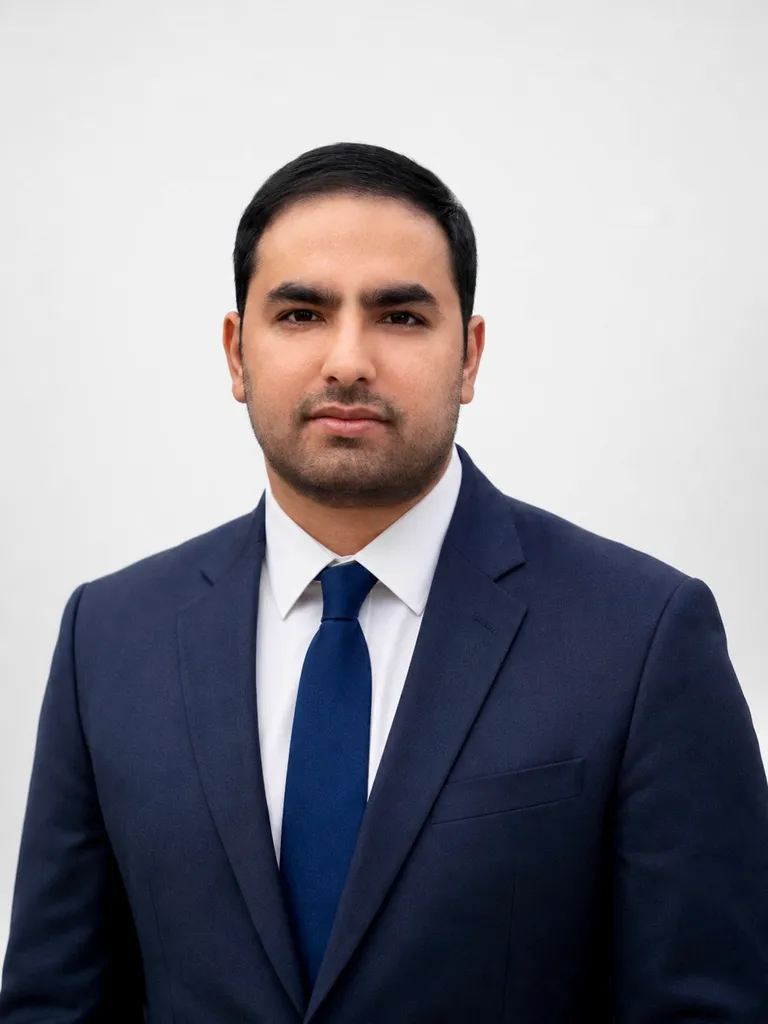
Edgar Olivas
Edgar, an International Medical Graduate, is a member of the Clinical Data Managers team. He draws on his medical background to validate patient records, helping patients understand their critical information and keep track of their laboratory, imaging, and genetic results. Edgar is also passionate about research and contributing to advancements that improve patient care. Beyond his work, he enjoys staying active and embracing new experiences. He goes running, hikes scenic trails, and trains in Taekwondo, and also enjoys cooking and reading. Above all, he treasures traveling and creating new memories with his family and his beloved dog.
More on Conferences

Trending Articles
Upcoming Events



Get the Latest Blood Cancer Updates, Delivered to You.
By subscribing to the HealthTree newsletter, you'll receive the latest research, treatment updates, and expert insights to help you navigate your health.
Together we care.
Together we cure.