![[logo] HealthTree Foundation](https://static.healthtree.org/icons/icon_spinner.svg)
![[logo] HealthTree Foundation](https://static.healthtree.org/logo_icon_only.svg)
Targeted Therapy For Non-Small Cell Lung Cancer
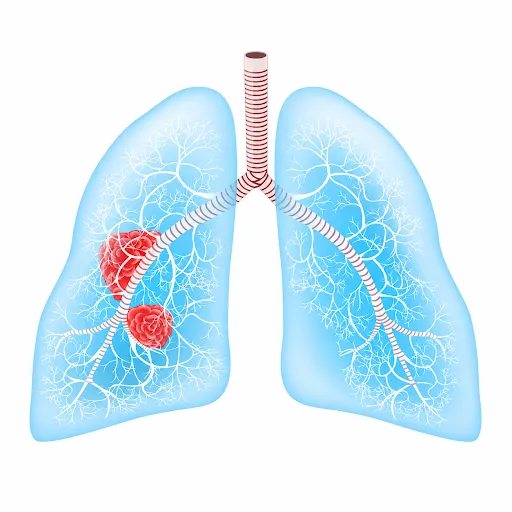


Targeted therapy for lung cancer is a precision medicine approach that uses drugs to attack specific genetic mutations/rearrangements or proteins in cancer cells to slow tumor growth. It is primarily for advanced non-small cell lung cancer (NSCLC).
These treatments, often taken as daily pills, block cancer growth with fewer side effects than traditional chemotherapy. Key targets include EGFR, ALK, ROS-1, KRAS, and BRAF. As researchers have learned more about the changes in non-small cell lung cancer, they have developed drugs that specifically target these alterations.
Targeted Drugs Vs. Chemotherapy
Targeted drugs for lung cancer differ from chemotherapy by acting as a precision medicine that interferes with specific genetic mutations or proteins that accelerate cancer growth, rather than attacking all rapidly dividing cells. While chemotherapy kills both cancer and healthy cells, targeted therapies generally attack only cancer cells.
Characteristics Of Action
-
Targeted Therapy: These medications are designed to target specific molecular abnormalities. These drugs block the specific signals that tell cancer cells to grow and spread.
-
Chemotherapy: These medications act in a broad-spectrum approach that targets all rapidly dividing cells, which include hair follicles, the stomach lining, and blood cells.
Medication Administration
-
Targeted Therapy: Mostly taken as a daily oral pill or capsule (some are given by infusion). They are generally used for non-small cell lung cancers that have specific biomarkers.
-
Chemotherapy: Typically given by IV infusion in a clinic, allowing the medicine to travel throughout the body.
Side Effects
-
Targeted Therapy: These medications lead to less traditional side effects such as massive hair loss and severe nausea. However, they do have unique side effects such as skin rashes and diarrhea.
-
Chemotherapy: Frequently causes fatigue, hair loss, and low blood counts as it damages healthy cells.
Common Types Of Targeted Therapy
Before starting targeted therapy, your doctor should perform comprehensive biomarker testing on your tumor tissue or by blood test. These tests indicate the specific gene alterations involved in your cancer. If you do not test positive for a mutation that has an FDA-approved targeted treatment option, you will need to be treated with immunotherapy or chemotherapy.
EGFR: This is the most common mutation in NSCLC, particularly in non-smokers and women.
-
Osimertinib (Tagrisso), Erlotinib (Tarceva), Gefitinib (Iressa).
ALK: A common gene rearrangement primarily found in non-smokers or light smokers.
-
Alectinib (Alecensa), Brigatinib (Alunbrig), Crizotinib (Xalkori).
ROS1: A rare genetic alteration similar to ALK.
-
Crizotinib (Xalkori), Entrectinib (Rozlytrek).
BRAF (specifically V600E): This mutation causes cancer cells to grow and spread quickly.
-
Dabrafenib (Tafinlar) paired with Trametinib (Mekinist).
KRAS G12C: In the past, this mutation had no treatment options, but now there are highly effective targeted options.
-
Sotorasib (Lumakras), Adagrasib (Krazati).
MET: Specific mutations or amplifications for the MET gene.
-
Capmatinib (Tabrecta), Tepotinib (Tepmetko).
RET & NTRK: Rare, but effective treatment options are available.
-
Selpercatinib (Retevmo) and Pralsetinib (Gavreto) for RET; Larotrectinib (Vitrakvi) for NTRK.
Targeted therapy is typically taken for as long as it continues to work and the side effects remain tolerable. If the cancer develops a resistance to the drug, your medical team will likely retest the tumor to discover the new mutation that is causing the resistance and switch to a new targeted medication. All current FDA-approved targeted therapies treat non-small cell lung cancer. There are no approved targeted therapies for small-cell lung cancer.
In Conclusion
Targeted therapy has transformed the treatment of non-small cell lung cancer. It offers a more personalized and precise approach. Through biomarker testing, doctors can match patients with therapies that slow cancer growth and have fewer side effects than traditional chemotherapy. Ongoing research will continue to uncover new genetic mutations and treatment options. Targeted therapies are helping many patients live longer with a better quality of life.
Targeted therapy for lung cancer is a precision medicine approach that uses drugs to attack specific genetic mutations/rearrangements or proteins in cancer cells to slow tumor growth. It is primarily for advanced non-small cell lung cancer (NSCLC).
These treatments, often taken as daily pills, block cancer growth with fewer side effects than traditional chemotherapy. Key targets include EGFR, ALK, ROS-1, KRAS, and BRAF. As researchers have learned more about the changes in non-small cell lung cancer, they have developed drugs that specifically target these alterations.
Targeted Drugs Vs. Chemotherapy
Targeted drugs for lung cancer differ from chemotherapy by acting as a precision medicine that interferes with specific genetic mutations or proteins that accelerate cancer growth, rather than attacking all rapidly dividing cells. While chemotherapy kills both cancer and healthy cells, targeted therapies generally attack only cancer cells.
Characteristics Of Action
-
Targeted Therapy: These medications are designed to target specific molecular abnormalities. These drugs block the specific signals that tell cancer cells to grow and spread.
-
Chemotherapy: These medications act in a broad-spectrum approach that targets all rapidly dividing cells, which include hair follicles, the stomach lining, and blood cells.
Medication Administration
-
Targeted Therapy: Mostly taken as a daily oral pill or capsule (some are given by infusion). They are generally used for non-small cell lung cancers that have specific biomarkers.
-
Chemotherapy: Typically given by IV infusion in a clinic, allowing the medicine to travel throughout the body.
Side Effects
-
Targeted Therapy: These medications lead to less traditional side effects such as massive hair loss and severe nausea. However, they do have unique side effects such as skin rashes and diarrhea.
-
Chemotherapy: Frequently causes fatigue, hair loss, and low blood counts as it damages healthy cells.
Common Types Of Targeted Therapy
Before starting targeted therapy, your doctor should perform comprehensive biomarker testing on your tumor tissue or by blood test. These tests indicate the specific gene alterations involved in your cancer. If you do not test positive for a mutation that has an FDA-approved targeted treatment option, you will need to be treated with immunotherapy or chemotherapy.
EGFR: This is the most common mutation in NSCLC, particularly in non-smokers and women.
-
Osimertinib (Tagrisso), Erlotinib (Tarceva), Gefitinib (Iressa).
ALK: A common gene rearrangement primarily found in non-smokers or light smokers.
-
Alectinib (Alecensa), Brigatinib (Alunbrig), Crizotinib (Xalkori).
ROS1: A rare genetic alteration similar to ALK.
-
Crizotinib (Xalkori), Entrectinib (Rozlytrek).
BRAF (specifically V600E): This mutation causes cancer cells to grow and spread quickly.
-
Dabrafenib (Tafinlar) paired with Trametinib (Mekinist).
KRAS G12C: In the past, this mutation had no treatment options, but now there are highly effective targeted options.
-
Sotorasib (Lumakras), Adagrasib (Krazati).
MET: Specific mutations or amplifications for the MET gene.
-
Capmatinib (Tabrecta), Tepotinib (Tepmetko).
RET & NTRK: Rare, but effective treatment options are available.
-
Selpercatinib (Retevmo) and Pralsetinib (Gavreto) for RET; Larotrectinib (Vitrakvi) for NTRK.
Targeted therapy is typically taken for as long as it continues to work and the side effects remain tolerable. If the cancer develops a resistance to the drug, your medical team will likely retest the tumor to discover the new mutation that is causing the resistance and switch to a new targeted medication. All current FDA-approved targeted therapies treat non-small cell lung cancer. There are no approved targeted therapies for small-cell lung cancer.
In Conclusion
Targeted therapy has transformed the treatment of non-small cell lung cancer. It offers a more personalized and precise approach. Through biomarker testing, doctors can match patients with therapies that slow cancer growth and have fewer side effects than traditional chemotherapy. Ongoing research will continue to uncover new genetic mutations and treatment options. Targeted therapies are helping many patients live longer with a better quality of life.

about the author
Lisa Foster
Lisa Foster is a mom of 3 daughters and 1 perfect grandchild, a puzzle lover, writer and HealthTree advocate. She believes in the mission of the foundation and the team that builds it forward. She calls Houston, Texas home.
More on Treatment Advances


Trending Articles





Get the Latest Solid Tumors Updates, Delivered to You.
By subscribing to the HealthTree newsletter, you'll receive the latest research, treatment updates, and expert insights to help you navigate your health.
Together we care.
Together we cure.