![[logo] HealthTree Foundation](https://static.healthtree.org/icons/icon_spinner.svg)
![[logo] HealthTree Foundation](https://static.healthtree.org/logo_icon_only.svg)
When Your Gut Needs a Rest: Navigating Cancer Treatment Side Effects with the BRAT Diet


Beyond medical treatments to manage side effects, simple food swaps or dietary habits can help you feel better. Getting the right nutrition supports your body as you manage treatment side effects, preserves lean muscle mass, and keeps up your energy.
But there is not a "one-size-fits-all" approach to healthy eating. Different people have different needs, and sometimes even your own needs will vary from day to day.
On days when you feel great, a diet filled with colorful, high-fiber vegetables and whole grains is excellent for your body. But if you are suddenly dealing with treatment-related diarrhea, cramping, or an upset belly, that exact same plate of high-fiber food could be making your symptoms worse.
During these challenging moments, your diet habits must temporarily change from "building long-term health" to "giving your bowel a complete rest." Your doctor may recommend a bowel-resting diet like the BRAT diet.
What does bowel rest mean?
If you are currently undergoing chemotherapy, targeted therapies, or radiation to the pelvis and abdomen, your medical team may recommend temporarily shifting to a low-residue or low-fiber diet. This comforting eating plan is designed to soothe an irritated digestive tract, stop fluid loss, and allow your body to heal.
Keep in mind that a low-residue diet is a short-term measure used to manage specific symptoms. Because it restricts certain food groups, always consult your oncologist or an oncology registered dietitian before making drastic changes to your eating patterns.
What is the BRAT diet?
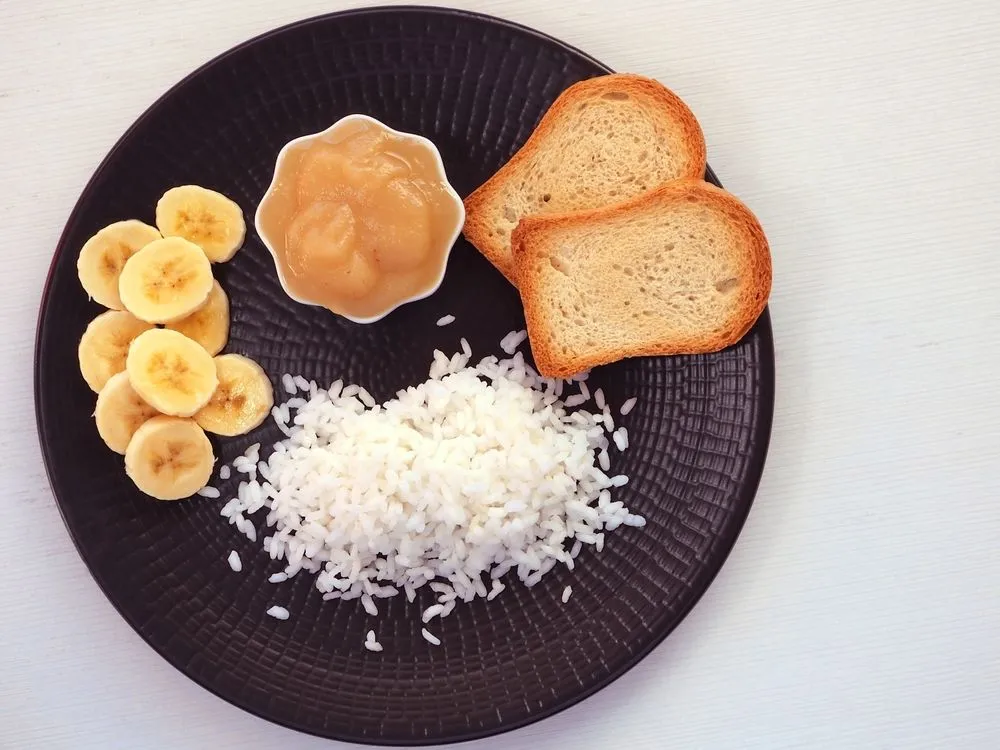
If you are experiencing a sudden flare-up of severe diarrhea, talk to your healthcare team. They may recommend the traditional BRAT diet to help ease symptoms. These four foods are exceptionally gentle on the stomach and serve as an ideal baseline until your symptoms begin to stabilize:
-
B - Bananas: Naturally soft and easy to digest, bananas are packed with potassium. This is very important for proper nutrition, as diarrhea rapidly drains your body of essential electrolytes.
R - Rice (white): Unlike brown rice, plain white rice has had its fibrous outer husk removed. It provides your body with quick, effortless carbohydrate energy without forcing your intestines to work.
A - Applesauce: Smooth and comforting, applesauce contains a soluble fiber called pectin, which acts like a sponge in your digestive tract, helping to bind and firm up loose stools.
T - Toast (White): Simple white toast or plain crackers give you a shelf-stable, easily digestible starch. Be sure to skip the butter, margarine, or high-fat spreads, which can trigger immediate bowel movements.
Reducing the intestinal work for better results and less discomfort
When you eat, your body breaks down food for energy. Anything that your body cannot completely digest and absorb, which is primarily dietary fiber, leaves the stomach and moves into the large intestine. This undigested material is called residue. A low-residue or low-fiber diet helps tissues contract to stop fluid loss.
High-residue foods (like raw vegetables, bean skins, nuts, and whole grains) create bulky stools. For a healthy gut, this bulk is great because it exercises the intestinal muscles. But when your gut lining is tender, inflamed, or damaged by cancer therapies, that bulk can cause painful cramping, speed up intestinal transit, and lead to severe diarrhea.
By temporarily removing high-residue items and focusing on easily absorbable, soothing options, your digestive system doesn’t need to work as hard. Think of it as putting a splint on an injured muscle. It gives your intestines the environment they need to absorb water, form firmer stools, and fully recover.
What are the health benefits of a bowel-resting diet?
Shifting to a low-residue is a temporary measure. It helps your intestinal symptoms. Low-fiber nutritional protocols can actively support oncology patients experiencing diarrhea in three ways:
-
Protect the gut barrier: By removing abrasive fibers, you shield the delicate, newly formed cells of your gut lining from physical friction while they are temporarily vulnerable from therapy.
Prevent dangerous dehydration: When your colon isn't forced to rapidly push bulky fibers through, it has more transit time to properly absorb water and electrolytes, helping to firm up loose stools.
Help minimize treatment interruptions: Severe, unmanaged diarrhea is a primary cause of emergency clinical visits and dangerous fluid drops during cancer treatment. Keeping your digestion stable ensures you stay healthy enough to receive your scheduled therapies on time without missing steps.
Remember: it is always important to talk to your healthcare team if you are experiencing symptoms like diarrhea, cramping, and upset stomach during cancer treatment. While occasional gastrointestinal symptoms happen to everyone, they can be debilitating and dangerous for people with cancer. And there may be ways to treat your symptoms other than diet changes.
Safely incorporating new foods while managing symptoms
While the BRAT framework is an excellent temporary measure, it does not provide enough protein or nutrients to sustain you through intense cancer therapies. As soon as your acute cramping slows down, you should begin introducing lean, easily absorbable proteins, well-cooked vegetables, and targeted hydration boosters.
The table below outlines the best foods to include in a low-residue plan and the specific clinical purpose they serve in your recovery.
|
Food |
Recommendations |
How they help your gut health |
Lean d
• Skinless chicken breast (baked or boiled)
• Plain turkey
• Eggs (poached, scrambled, or hard-boiled)
• Firm tofu (not suitable for soy allergy)
Supplies the essential amino acids your body needs to rebuild healthy tissues and maintain muscle mass, without the heavy fats that accelerate digestion.
Low-Fiber Vegetables
• Well-cooked, skinless, seedless carrots
• Pureed pumpkin or butternut squash
• Skinless potato flesh (mashed)
Delivers vital vitamins and minerals (like vitamin A) to support immune health, safely stripped of the tough outer skins and fibers that scrape against your gut lining.
Refined Starches
• White pasta or noodles
• Cream of wheat or farina
• Plain white bagels or English muffins
Provides an easily accessible source of calories to combat treatment-related fatigue and prevent unwanted weight loss.
Hydration Boosters
• Clear chicken, beef, or vegetable bone broths
• Diluted 100% apple or grape juice
• Weak decaffeinated herbal teas (like chamomile)
Replaces lost fluids, sodium, and essential minerals to protect you from dehydration, which is one of the most common causes of hospital readmission during chemotherapy.
The way you cook your food can help it be gentler on digestion. Always choose baking, boiling, poaching, or steaming. Completely avoid frying, charring, or using heavy cooking oils. Melted fats are also difficult to digest.
What foods to avoid when your stomach is upset?
When managing active gastrointestinal distress, knowing what to remove from your diet is just as important as knowing what to include. Certain foods act as structural or chemical irritants, meaning they can accidentally prolong diarrhea and worsen intestinal spasms.
Coarse raw fiber. Avoid raw vegetables, tough skins or peels on fruits, whole-grain breads, brown rice, oatmeal, nuts, seeds, and popcorn. These fibers act like a rough broom sweeping through a highly sensitive, sunburned gut lining.
High-fat and fried foods: Heavily fried meats, greasy fast food, pastries, and rich gravies trigger a biological mechanism called the gastrocolic reflex. This reflex signals your intestines to rapidly contract and empty, which can worsen sudden diarrhea.
Whole dairy products: Chemotherapy and pelvic radiation can cause temporary lactose intolerance. This is an intolerance to the lactose in milk. It happens because the medications clear out the enzymes in your gut brush border. Avoid full-fat milk, heavy cheeses, ice cream, and butter until your symptoms completely clear.
Other triggers: Avoid highly spiced dishes, hot chilis, heavily caffeinated beverages like espresso or strong energy drinks, and sugar-free products containing artificial sweeteners such as sorbitol or xylitol. These can draw excess water directly into your bowel, creating a laxative effect.
Before starting a new diet on your own, talk to your health team to explore the best options for you
While managing your diet is an empowering way to participate in your recovery, a low-residue plan is a short-term plan. This type of diet leaves out many food groups. Staying on it for too long without supervision can lead to nutrient gaps, unwanted weight drop, and muscle wasting.
You should never self-prescribe or extend this restrictive diet without a direct green light from your healthcare team. Registered dietitians and oncology clinical nutritionists are trained to understand your changing dietary needs.
As a helpful practical step, consider keeping a daily journal. You can write down what you eat, your fluid intake, and the consistency of your bowel movements or any other symptom you notice. Sharing this quick log with your oncology team at your next appointment gives them the information they need to help you feel better and recommend the best diet for you.
Create your account and become a part of the HealthTree community!
Don’t miss conference news, expert webinars and keep track of your health by securely connecting your electronic health records from different facilities to have them all in one place.
Sources:
Beyond medical treatments to manage side effects, simple food swaps or dietary habits can help you feel better. Getting the right nutrition supports your body as you manage treatment side effects, preserves lean muscle mass, and keeps up your energy.
But there is not a "one-size-fits-all" approach to healthy eating. Different people have different needs, and sometimes even your own needs will vary from day to day.
On days when you feel great, a diet filled with colorful, high-fiber vegetables and whole grains is excellent for your body. But if you are suddenly dealing with treatment-related diarrhea, cramping, or an upset belly, that exact same plate of high-fiber food could be making your symptoms worse.
During these challenging moments, your diet habits must temporarily change from "building long-term health" to "giving your bowel a complete rest." Your doctor may recommend a bowel-resting diet like the BRAT diet.
What does bowel rest mean?
If you are currently undergoing chemotherapy, targeted therapies, or radiation to the pelvis and abdomen, your medical team may recommend temporarily shifting to a low-residue or low-fiber diet. This comforting eating plan is designed to soothe an irritated digestive tract, stop fluid loss, and allow your body to heal.
Keep in mind that a low-residue diet is a short-term measure used to manage specific symptoms. Because it restricts certain food groups, always consult your oncologist or an oncology registered dietitian before making drastic changes to your eating patterns.
What is the BRAT diet?
If you are experiencing a sudden flare-up of severe diarrhea, talk to your healthcare team. They may recommend the traditional BRAT diet to help ease symptoms. These four foods are exceptionally gentle on the stomach and serve as an ideal baseline until your symptoms begin to stabilize:
-
B - Bananas: Naturally soft and easy to digest, bananas are packed with potassium. This is very important for proper nutrition, as diarrhea rapidly drains your body of essential electrolytes.
-
R - Rice (white): Unlike brown rice, plain white rice has had its fibrous outer husk removed. It provides your body with quick, effortless carbohydrate energy without forcing your intestines to work.
-
A - Applesauce: Smooth and comforting, applesauce contains a soluble fiber called pectin, which acts like a sponge in your digestive tract, helping to bind and firm up loose stools.
-
T - Toast (White): Simple white toast or plain crackers give you a shelf-stable, easily digestible starch. Be sure to skip the butter, margarine, or high-fat spreads, which can trigger immediate bowel movements.
Reducing the intestinal work for better results and less discomfort
When you eat, your body breaks down food for energy. Anything that your body cannot completely digest and absorb, which is primarily dietary fiber, leaves the stomach and moves into the large intestine. This undigested material is called residue. A low-residue or low-fiber diet helps tissues contract to stop fluid loss.
High-residue foods (like raw vegetables, bean skins, nuts, and whole grains) create bulky stools. For a healthy gut, this bulk is great because it exercises the intestinal muscles. But when your gut lining is tender, inflamed, or damaged by cancer therapies, that bulk can cause painful cramping, speed up intestinal transit, and lead to severe diarrhea.
By temporarily removing high-residue items and focusing on easily absorbable, soothing options, your digestive system doesn’t need to work as hard. Think of it as putting a splint on an injured muscle. It gives your intestines the environment they need to absorb water, form firmer stools, and fully recover.
What are the health benefits of a bowel-resting diet?
Shifting to a low-residue is a temporary measure. It helps your intestinal symptoms. Low-fiber nutritional protocols can actively support oncology patients experiencing diarrhea in three ways:
-
Protect the gut barrier: By removing abrasive fibers, you shield the delicate, newly formed cells of your gut lining from physical friction while they are temporarily vulnerable from therapy.
-
Prevent dangerous dehydration: When your colon isn't forced to rapidly push bulky fibers through, it has more transit time to properly absorb water and electrolytes, helping to firm up loose stools.
-
Help minimize treatment interruptions: Severe, unmanaged diarrhea is a primary cause of emergency clinical visits and dangerous fluid drops during cancer treatment. Keeping your digestion stable ensures you stay healthy enough to receive your scheduled therapies on time without missing steps.
Remember: it is always important to talk to your healthcare team if you are experiencing symptoms like diarrhea, cramping, and upset stomach during cancer treatment. While occasional gastrointestinal symptoms happen to everyone, they can be debilitating and dangerous for people with cancer. And there may be ways to treat your symptoms other than diet changes.
Safely incorporating new foods while managing symptoms
While the BRAT framework is an excellent temporary measure, it does not provide enough protein or nutrients to sustain you through intense cancer therapies. As soon as your acute cramping slows down, you should begin introducing lean, easily absorbable proteins, well-cooked vegetables, and targeted hydration boosters.
The table below outlines the best foods to include in a low-residue plan and the specific clinical purpose they serve in your recovery.
|
Food |
Recommendations |
How they help your gut health |
|
Lean d |
• Skinless chicken breast (baked or boiled) • Plain turkey • Eggs (poached, scrambled, or hard-boiled) • Firm tofu (not suitable for soy allergy) |
Supplies the essential amino acids your body needs to rebuild healthy tissues and maintain muscle mass, without the heavy fats that accelerate digestion. |
|
Low-Fiber Vegetables |
• Well-cooked, skinless, seedless carrots • Pureed pumpkin or butternut squash • Skinless potato flesh (mashed) |
Delivers vital vitamins and minerals (like vitamin A) to support immune health, safely stripped of the tough outer skins and fibers that scrape against your gut lining. |
|
Refined Starches |
• White pasta or noodles • Cream of wheat or farina • Plain white bagels or English muffins |
Provides an easily accessible source of calories to combat treatment-related fatigue and prevent unwanted weight loss. |
|
Hydration Boosters |
• Clear chicken, beef, or vegetable bone broths • Diluted 100% apple or grape juice • Weak decaffeinated herbal teas (like chamomile) |
Replaces lost fluids, sodium, and essential minerals to protect you from dehydration, which is one of the most common causes of hospital readmission during chemotherapy. |
The way you cook your food can help it be gentler on digestion. Always choose baking, boiling, poaching, or steaming. Completely avoid frying, charring, or using heavy cooking oils. Melted fats are also difficult to digest.
What foods to avoid when your stomach is upset?
When managing active gastrointestinal distress, knowing what to remove from your diet is just as important as knowing what to include. Certain foods act as structural or chemical irritants, meaning they can accidentally prolong diarrhea and worsen intestinal spasms.
Coarse raw fiber. Avoid raw vegetables, tough skins or peels on fruits, whole-grain breads, brown rice, oatmeal, nuts, seeds, and popcorn. These fibers act like a rough broom sweeping through a highly sensitive, sunburned gut lining.
High-fat and fried foods: Heavily fried meats, greasy fast food, pastries, and rich gravies trigger a biological mechanism called the gastrocolic reflex. This reflex signals your intestines to rapidly contract and empty, which can worsen sudden diarrhea.
Whole dairy products: Chemotherapy and pelvic radiation can cause temporary lactose intolerance. This is an intolerance to the lactose in milk. It happens because the medications clear out the enzymes in your gut brush border. Avoid full-fat milk, heavy cheeses, ice cream, and butter until your symptoms completely clear.
Other triggers: Avoid highly spiced dishes, hot chilis, heavily caffeinated beverages like espresso or strong energy drinks, and sugar-free products containing artificial sweeteners such as sorbitol or xylitol. These can draw excess water directly into your bowel, creating a laxative effect.
Before starting a new diet on your own, talk to your health team to explore the best options for you
While managing your diet is an empowering way to participate in your recovery, a low-residue plan is a short-term plan. This type of diet leaves out many food groups. Staying on it for too long without supervision can lead to nutrient gaps, unwanted weight drop, and muscle wasting.
You should never self-prescribe or extend this restrictive diet without a direct green light from your healthcare team. Registered dietitians and oncology clinical nutritionists are trained to understand your changing dietary needs.
As a helpful practical step, consider keeping a daily journal. You can write down what you eat, your fluid intake, and the consistency of your bowel movements or any other symptom you notice. Sharing this quick log with your oncology team at your next appointment gives them the information they need to help you feel better and recommend the best diet for you.
Create your account and become a part of the HealthTree community!
Don’t miss conference news, expert webinars and keep track of your health by securely connecting your electronic health records from different facilities to have them all in one place.
Sources:

about the author
Jimena Vicencio
Jimena is an International Medical Graduate and a member of the HealthTree Writing team. Currently pursuing a bachelor's degree in journalism, she combines her medical background with a storyteller’s heart to make complex healthcare topics accessible to everyone. Driven by a deep belief that understanding health is a universal right, she is committed to translating scientific and medical knowledge into clear, compassionate language that empowers individuals to take control of their well-being.
More on Navigating Your Health








Get the Latest Mantle Cell Lymphoma Updates, Delivered to You.
By subscribing to the HealthTree newsletter, you'll receive the latest research, treatment updates, and expert insights to help you navigate your health.
Together we care.
Together we cure.