![[logo] HealthTree Foundation](https://static.healthtree.org/icons/icon_spinner.svg)
![[logo] HealthTree Foundation](https://static.healthtree.org/logo_icon_only.svg)
Remote Check-Ups Could Prevent Infection-Related Hospitalizations for Blood Cancer Patients
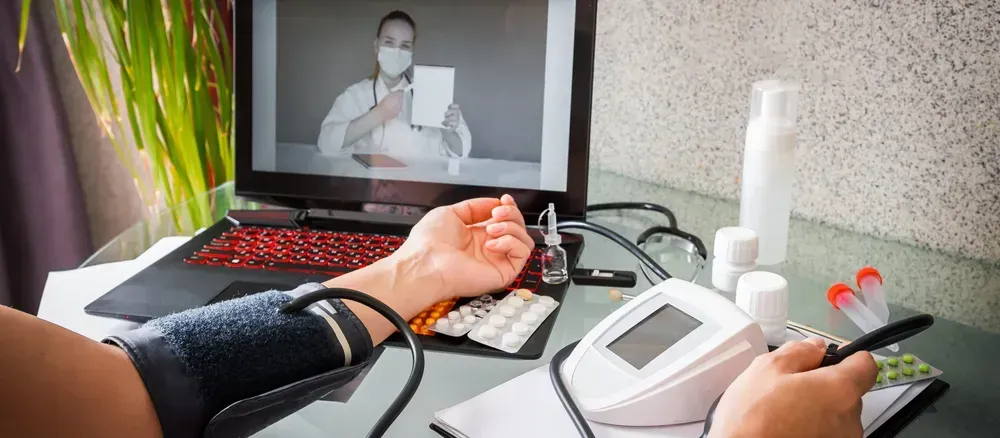


People receiving blood cancer treatment are more prone to infections. New research suggests that providing a way for patients to report symptoms from home could help doctors identify infections earlier and reduce hospital visits.
Infections are an important thing to look out for while receiving blood cancer treatment
Blood cancer can weaken the immune system. This can happen because of the cancer itself or due to side effects of anti-cancer medications.
Common blood cancers included in the study were:
- Multiple myeloma
- Non-Hodgkin lymphoma
- Chronic leukemias
Because the immune system may struggle to control infections, all symptoms should be reported to avoid complications. These include:
- Slight fever
- Coughing
- Sore Throat
- Chills
Infections are one of the most common reasons blood cancer patients need unexpected hospital care.
How does remote monitoring work?
Remote therapeutic monitoring (RTM) is a healthcare approach that allows patients to report symptoms to their care team from home using digital tools.
In this study, the RTM program used an electronic patient-reported outcomes (ePRO) tool. Using this tool, patients can report their symptoms, side effects, or health changes during treatment. Once patients entered their symptoms, healthcare professionals reviewed them for possible indicators of prompt medical attention.
These indicators could include:
- Phone-based symptom assessment.
- Urgent clinic visits.
- Referral to the emergency department if necessary.
When the reported symptoms suggested infection, patients received early antibiotic treatment. Addressing infections early prevents them from becoming severe enough to require hospitalization.
Comparing outcomes in patients who used the RTM system with those without remote monitoring.
Patients who participated in remote monitoring experienced fewer infection-related hospital visits. Researchers believe the increase in outpatient antibiotics reflects earlier identification of infection symptoms.
|
RTM group |
Non-RTM group |
Infection-related hospitalizations
2.6%
4.5%
Infection-related emergency room visits
6.6%
9.4%
Use of oral antibiotics
38%
29%
Reducing hospital visits is important for patients' well-being, and remote monitoring can improve early detection of infections without leaving the house
Hospitalizations can be physically demanding, emotionally stressful, and costly. They can also interrupt cancer treatment schedules.
By identifying infection symptoms earlier, remote monitoring may:
- Allow treatment before infections become severe.
- Reduce emergency department visits.
- Help patients stay safely at home during treatment.
- Support more consistent cancer therapy.
The researchers also noted that RTM systems could be widely implemented to reach more people nationwide.
How can I be screened for early infection prevention even without RTM?
Ask your care team whether symptom monitoring programs or digital reporting tools are available. Reporting symptoms early, no matter how small they seem, can help your team intervene sooner and may prevent more serious complications.
You can keep track of your symptoms on a daily basis, and visit your healthcare team when slight fever, coughing, chills or other symptoms that may resemble a flu appear. HealthTree provides a platform where you can access your health history and track your symptoms. With HealthTree’s tools, everything is in one place. Click the button below to get started.
Advances like remote monitoring show how technology can strengthen the partnership between patients and care teams. By staying connected and sharing symptoms early, patients can play an active role in protecting their health during treatment.
Source: Remote therapeutic monitoring reduces hospitalization due to infection in patients being
treated for hematological malignancy
People receiving blood cancer treatment are more prone to infections. New research suggests that providing a way for patients to report symptoms from home could help doctors identify infections earlier and reduce hospital visits.
Infections are an important thing to look out for while receiving blood cancer treatment
Blood cancer can weaken the immune system. This can happen because of the cancer itself or due to side effects of anti-cancer medications.
Common blood cancers included in the study were:
- Multiple myeloma
- Non-Hodgkin lymphoma
- Chronic leukemias
Because the immune system may struggle to control infections, all symptoms should be reported to avoid complications. These include:
- Slight fever
- Coughing
- Sore Throat
- Chills
Infections are one of the most common reasons blood cancer patients need unexpected hospital care.
How does remote monitoring work?
Remote therapeutic monitoring (RTM) is a healthcare approach that allows patients to report symptoms to their care team from home using digital tools.
In this study, the RTM program used an electronic patient-reported outcomes (ePRO) tool. Using this tool, patients can report their symptoms, side effects, or health changes during treatment. Once patients entered their symptoms, healthcare professionals reviewed them for possible indicators of prompt medical attention.
These indicators could include:
- Phone-based symptom assessment.
- Urgent clinic visits.
- Referral to the emergency department if necessary.
When the reported symptoms suggested infection, patients received early antibiotic treatment. Addressing infections early prevents them from becoming severe enough to require hospitalization.
Comparing outcomes in patients who used the RTM system with those without remote monitoring.
Patients who participated in remote monitoring experienced fewer infection-related hospital visits. Researchers believe the increase in outpatient antibiotics reflects earlier identification of infection symptoms.
|
RTM group |
Non-RTM group |
|
|
Infection-related hospitalizations |
2.6% |
4.5% |
|
Infection-related emergency room visits |
6.6% |
9.4% |
|
Use of oral antibiotics |
38% |
29% |
Reducing hospital visits is important for patients' well-being, and remote monitoring can improve early detection of infections without leaving the house
Hospitalizations can be physically demanding, emotionally stressful, and costly. They can also interrupt cancer treatment schedules.
By identifying infection symptoms earlier, remote monitoring may:
- Allow treatment before infections become severe.
- Reduce emergency department visits.
- Help patients stay safely at home during treatment.
- Support more consistent cancer therapy.
The researchers also noted that RTM systems could be widely implemented to reach more people nationwide.
How can I be screened for early infection prevention even without RTM?
Ask your care team whether symptom monitoring programs or digital reporting tools are available. Reporting symptoms early, no matter how small they seem, can help your team intervene sooner and may prevent more serious complications.
You can keep track of your symptoms on a daily basis, and visit your healthcare team when slight fever, coughing, chills or other symptoms that may resemble a flu appear. HealthTree provides a platform where you can access your health history and track your symptoms. With HealthTree’s tools, everything is in one place. Click the button below to get started.
Advances like remote monitoring show how technology can strengthen the partnership between patients and care teams. By staying connected and sharing symptoms early, patients can play an active role in protecting their health during treatment.
Source: Remote therapeutic monitoring reduces hospitalization due to infection in patients being
treated for hematological malignancy

about the author
Jimena Vicencio
Jimena is an International Medical Graduate and a member of the HealthTree Writing team. Currently pursuing a bachelor's degree in journalism, she combines her medical background with a storyteller’s heart to make complex healthcare topics accessible to everyone. Driven by a deep belief that understanding health is a universal right, she is committed to translating scientific and medical knowledge into clear, compassionate language that empowers individuals to take control of their well-being.
More on Navigating Your Health





Trending Articles




Get the Latest Follicular lymphoma Updates, Delivered to You.
By subscribing to the HealthTree newsletter, you'll receive the latest research, treatment updates, and expert insights to help you navigate your health.
Together we care.
Together we cure.