![[logo] HealthTree Foundation](https://static.healthtree.org/icons/icon_spinner.svg)
![[logo] HealthTree Foundation](https://static.healthtree.org/logo_icon_only.svg)
Understanding Agent Orange and Cancer Risk: Lasting Health Impacts of a Global Conflict
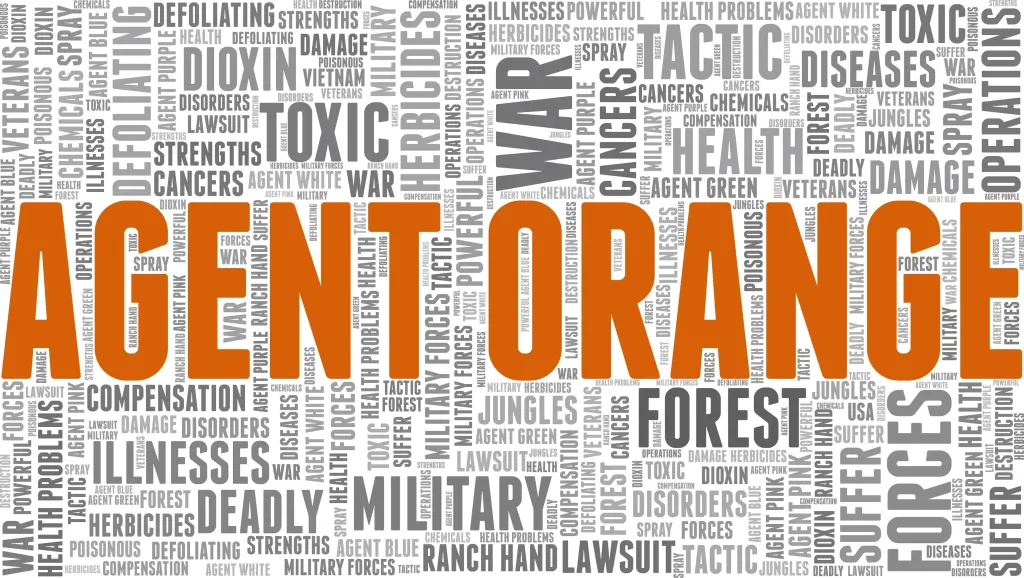


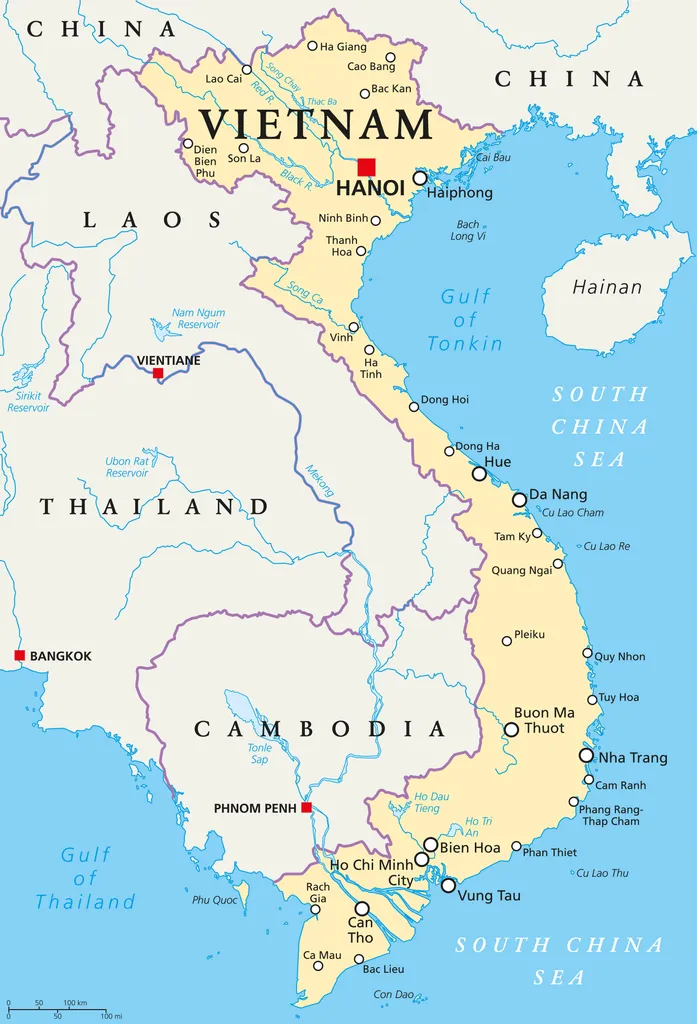
From 1962 to 1971, the United States military sprayed nearly 19 million gallons (80 million liters) of herbicidal chemicals across Vietnam as part of Operation Ranch Hand. More than half of this volume was Agent Orange. It was intended to destroy forest cover and farmland, but it has also impacted generations of Vietnamese, Cambodian, and Laos residents, as well as tens of thousands service members from the United States, Australia, and New Zealand. Health concerns, including blood cancer, caused by Agent Orange exposure continue to affect these groups more than 50 years later.
What is Agent Orange, and how could it impact so many people’s lives?
Agent Orange is a mixture of two herbicides that was created to remove foliage and farmland. Agent Orange received its name from the orange stripe painted on its storage barrels and was one of several “Rainbow Herbicides” created for vegetation removal.
Agent Orange itself breaks down quickly, with a half-life that lasts days to weeks after it is applied to vegetation. The concern, however, comes from TCDD, a dioxin (an environmental pollutant) formed during the production of one of Agent Orange’s components. The half-life of TCDD depends on where it settles. On soil fully exposed to sunlight, it may remain for one to three years. When buried in tropical subsoils, it can persist for twenty to fifty years or longer. In river and sea sediments, its half-life can extend beyond a century.
The decision that changed everything
The United States had studied herbicides during World War II, though they were not used in combat at the time. During the Vietnam War, these compounds were deployed to reduce forest cover and agricultural resources that could support the local population.
The scale of spraying was unprecedented. Roughly 2.9 million hectares (about 35 times the size of New York City) of forests and farmland were polluted. About 20,000 Vietnamese villages were directly sprayed, exposing residents and contaminating soil, water, and food sources.
Exposure reached far beyond Vietnam to Laos, and Cambodia. Service members from multiple countries working near the area and travelers passing through were also affected. For many, this experience raised long-term health questions that extended to their children and grandchildren, even today.
Agent Orange’s environmental impact to date
Dioxin is highly stable in the environment. It binds tightly to soil particles and accumulates in sediment. It concentrates in fish and other aquatic species, entering the food chain and contributing to ongoing exposure in contaminated regions. Several areas in Vietnam known as dioxin “hotspots” still show measurable concentrations in soil and water. This environmental persistence explains why people can encounter exposure decades after spraying ended.
How Agent Orange lasted through generations of people
Scientific research has explored potential links between Agent Orange exposure and cancer, metabolic diseases, and other chronic health concerns. Studies conducted through the National Academy of Medicine describe associations between exposure and several conditions, including certain cancers and type 2 diabetes. At the same time, some health effects remain difficult to confirm because exposure records were incomplete and environmental contamination varied widely.
Developmental outcomes and birth defects have been a central focus for both Vietnamese communities and veteran families.
What diseases are associated with Agent Orange exposure?
|
Condition |
What it is |
|
Acute and subacute peripheral neuropathy |
A nervous system condition that leads to numbness, tingling, and muscle weakness. |
|
A rare condition in which an abnormal protein called amyloid collects in organs or tissues and can interfere with how they function. |
|
|
Chloracne or similar acneform disease |
A skin condition that appears shortly after exposure to certain chemicals and looks similar to severe acne. |
|
Chronic B-cell leukemias |
A group of blood cancers that affect B-cells, which are white blood cells involved in the immune system. |
|
Diabetes Mellitus type 2 |
A long-term condition in which the body has difficulty responding to insulin, leading to high blood sugar levels. |
|
Hodgkin’s disease |
A type of lymphoma, which is a cancer of the lymphatic system. It leads to swollen lymph nodes, an enlarged liver or spleen, and anemia. |
|
Ischemic heart disease |
A condition in which narrowed arteries reduce blood flow to the heart, often causing chest discomfort. |
|
|
A cancer of plasma cells, which are white blood cells located in the bone marrow that support the immune system. |
|
Non-Hodgkin’s lymphoma |
A group of lymphatic system cancers that affect lymph nodes and related tissues. |
|
Parkinson’s disease |
A progressive neurologic disorder that affects muscle control and movement. |
|
Porphyria cutanea tarda |
A condition linked to liver changes that leads to fragile skin and blistering in areas exposed to sunlight. |
|
Prostate cancer |
A common cancer that develops in the prostate gland. |
|
Respiratory cancers |
Cancers involving the lung, larynx, trachea, or bronchus. |
|
Soft tissue sarcoma (excluding osteosarcoma, chondrosarcoma, Kaposi’s sarcoma, or mesothelioma) |
A group of cancers that begin in tissues such as muscle, fat, blood vessels, lymph vessels, or connective tissue. |
How research helped shape policies that support people affected by Agent Orange
Health concerns raised by returning Vietnam veterans led to the Agent Orange Act of 1991. This legislation required ongoing scientific review of available evidence and helped guide decisions about healthcare benefits and recognition of associated conditions. These ongoing reviews allow researchers to update conclusions as new data emerges.
The US government, as an act of accountability to the people who served the US Forces in Vietnam, proposed the Agent Orange exposure and disability compensation. People who served in Vietnam during that period and currently have high blood pressure and MGUS, a precursor condition of multiple myeloma may be eligible to receive a monthly payment.
Keep reading Understanding Disability Benefits for Veterans
Learning from our history can help support present health
People who believe they may have been exposed can discuss screening and symptom monitoring options with their healthcare team. Veterans may access evaluation programs through the Department of Veterans Affairs. Individuals in affected regions may benefit from community-based health assessments and environmental monitoring programs.
Understanding the history of Agent Orange can support informed conversations with care teams and encourages continued learning. To stay updated, explore educational resources on the HealthTree website and remain engaged in discussions that help communities advocate for their health.
Sources:
- Veterans' Diseases Associated with Agent Orange
- Toxic byproducts of Agent Orange continue to pollute Vietnam environment
- Long-Term Fate of Agent Orange and Dioxin TCDD Contaminated Soils and Sediments in Vietnam Hotspots
- The fog of war, the legacy of Agent orange
- Agent Orange and other chemicals in the Vietnam War
From 1962 to 1971, the United States military sprayed nearly 19 million gallons (80 million liters) of herbicidal chemicals across Vietnam as part of Operation Ranch Hand. More than half of this volume was Agent Orange. It was intended to destroy forest cover and farmland, but it has also impacted generations of Vietnamese, Cambodian, and Laos residents, as well as tens of thousands service members from the United States, Australia, and New Zealand. Health concerns, including blood cancer, caused by Agent Orange exposure continue to affect these groups more than 50 years later.
What is Agent Orange, and how could it impact so many people’s lives?
Agent Orange is a mixture of two herbicides that was created to remove foliage and farmland. Agent Orange received its name from the orange stripe painted on its storage barrels and was one of several “Rainbow Herbicides” created for vegetation removal.
Agent Orange itself breaks down quickly, with a half-life that lasts days to weeks after it is applied to vegetation. The concern, however, comes from TCDD, a dioxin (an environmental pollutant) formed during the production of one of Agent Orange’s components. The half-life of TCDD depends on where it settles. On soil fully exposed to sunlight, it may remain for one to three years. When buried in tropical subsoils, it can persist for twenty to fifty years or longer. In river and sea sediments, its half-life can extend beyond a century.
The decision that changed everything
The United States had studied herbicides during World War II, though they were not used in combat at the time. During the Vietnam War, these compounds were deployed to reduce forest cover and agricultural resources that could support the local population.
The scale of spraying was unprecedented. Roughly 2.9 million hectares (about 35 times the size of New York City) of forests and farmland were polluted. About 20,000 Vietnamese villages were directly sprayed, exposing residents and contaminating soil, water, and food sources.
Exposure reached far beyond Vietnam to Laos, and Cambodia. Service members from multiple countries working near the area and travelers passing through were also affected. For many, this experience raised long-term health questions that extended to their children and grandchildren, even today.
Agent Orange’s environmental impact to date
Dioxin is highly stable in the environment. It binds tightly to soil particles and accumulates in sediment. It concentrates in fish and other aquatic species, entering the food chain and contributing to ongoing exposure in contaminated regions. Several areas in Vietnam known as dioxin “hotspots” still show measurable concentrations in soil and water. This environmental persistence explains why people can encounter exposure decades after spraying ended.
How Agent Orange lasted through generations of people
Scientific research has explored potential links between Agent Orange exposure and cancer, metabolic diseases, and other chronic health concerns. Studies conducted through the National Academy of Medicine describe associations between exposure and several conditions, including certain cancers and type 2 diabetes. At the same time, some health effects remain difficult to confirm because exposure records were incomplete and environmental contamination varied widely.
Developmental outcomes and birth defects have been a central focus for both Vietnamese communities and veteran families.
What diseases are associated with Agent Orange exposure?
|
Condition |
What it is |
|
Acute and subacute peripheral neuropathy |
A nervous system condition that leads to numbness, tingling, and muscle weakness. |
|
A rare condition in which an abnormal protein called amyloid collects in organs or tissues and can interfere with how they function. |
|
|
Chloracne or similar acneform disease |
A skin condition that appears shortly after exposure to certain chemicals and looks similar to severe acne. |
|
Chronic B-cell leukemias |
A group of blood cancers that affect B-cells, which are white blood cells involved in the immune system. |
|
Diabetes Mellitus type 2 |
A long-term condition in which the body has difficulty responding to insulin, leading to high blood sugar levels. |
|
Hodgkin’s disease |
A type of lymphoma, which is a cancer of the lymphatic system. It leads to swollen lymph nodes, an enlarged liver or spleen, and anemia. |
|
Ischemic heart disease |
A condition in which narrowed arteries reduce blood flow to the heart, often causing chest discomfort. |
|
A cancer of plasma cells, which are white blood cells located in the bone marrow that support the immune system. |
|
|
Non-Hodgkin’s lymphoma |
A group of lymphatic system cancers that affect lymph nodes and related tissues. |
|
Parkinson’s disease |
A progressive neurologic disorder that affects muscle control and movement. |
|
Porphyria cutanea tarda |
A condition linked to liver changes that leads to fragile skin and blistering in areas exposed to sunlight. |
|
Prostate cancer |
A common cancer that develops in the prostate gland. |
|
Respiratory cancers |
Cancers involving the lung, larynx, trachea, or bronchus. |
|
Soft tissue sarcoma (excluding osteosarcoma, chondrosarcoma, Kaposi’s sarcoma, or mesothelioma) |
A group of cancers that begin in tissues such as muscle, fat, blood vessels, lymph vessels, or connective tissue. |
How research helped shape policies that support people affected by Agent Orange
Health concerns raised by returning Vietnam veterans led to the Agent Orange Act of 1991. This legislation required ongoing scientific review of available evidence and helped guide decisions about healthcare benefits and recognition of associated conditions. These ongoing reviews allow researchers to update conclusions as new data emerges.
The US government, as an act of accountability to the people who served the US Forces in Vietnam, proposed the Agent Orange exposure and disability compensation. People who served in Vietnam during that period and currently have high blood pressure and MGUS, a precursor condition of multiple myeloma may be eligible to receive a monthly payment.
Keep reading Understanding Disability Benefits for Veterans
Learning from our history can help support present health
People who believe they may have been exposed can discuss screening and symptom monitoring options with their healthcare team. Veterans may access evaluation programs through the Department of Veterans Affairs. Individuals in affected regions may benefit from community-based health assessments and environmental monitoring programs.
Understanding the history of Agent Orange can support informed conversations with care teams and encourages continued learning. To stay updated, explore educational resources on the HealthTree website and remain engaged in discussions that help communities advocate for their health.
Sources:
- Veterans' Diseases Associated with Agent Orange
- Toxic byproducts of Agent Orange continue to pollute Vietnam environment
- Long-Term Fate of Agent Orange and Dioxin TCDD Contaminated Soils and Sediments in Vietnam Hotspots
- The fog of war, the legacy of Agent orange
- Agent Orange and other chemicals in the Vietnam War

about the author
Jimena Vicencio
Jimena is an International Medical Graduate and a member of the HealthTree Writing team. Currently pursuing a bachelor's degree in journalism, she combines her medical background with a storyteller’s heart to make complex healthcare topics accessible to everyone. Driven by a deep belief that understanding health is a universal right, she is committed to translating scientific and medical knowledge into clear, compassionate language that empowers individuals to take control of their well-being.
More on Navigating Your Health






Trending Articles


Get the Latest Follicular lymphoma Updates, Delivered to You.
By subscribing to the HealthTree newsletter, you'll receive the latest research, treatment updates, and expert insights to help you navigate your health.
Together we care.
Together we cure.