![[logo] HealthTree Foundation](https://static.healthtree.org/icons/icon_spinner.svg)
![[logo] HealthTree Foundation](https://static.healthtree.org/logo_icon_only.svg)
How to Help Children With Cancer Eat Well: Nutrition Tips for Parents and Caregivers
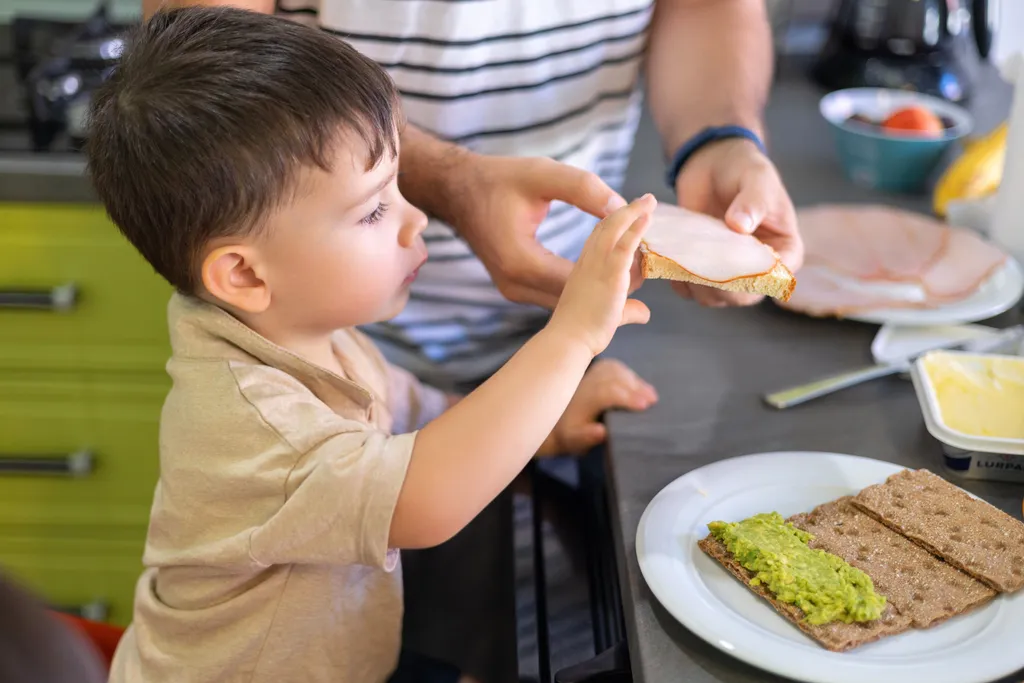


Cancer treatment can affect a child’s relationship with food. Meals that your child typically enjoys may suddenly taste different. Side effects like nausea, mouth sores, or fatigue can also make eating more difficult.
During a recent HealthTree webinar, Chef Kim Sutherland from Ronald McDonald House Southwestern Ontario shared practical tips for supporting children with cancer through nutrition challenges while reducing stress for both caregivers and kids.
Food challenges are often treatment-related
Changes in appetite, cravings, and food preferences are often a direct result of treatment. If a child suddenly refuses favorite foods or only wants a handful of familiar items, it could be because treatment has changed how food tastes, smells, or feels.
The goal isn’t perfect nutrition
Nutrition plays an important role in helping children recover from treatment. But the goal for caregivers when planning meals shouldn’t necessarily be perfect nutrition. Instead, you should focus on:
-
Supporting children through changing nutritional needs
-
Maintaining and building a positive relationship with food
-
Creating opportunities to eat without pressure.
Chef Sutherlund highlighted that “Food is the only relationship we have for life.” (pull out quote in formatting)
Helping children maintain that relationship can have benefits even after treatment ends.
Offer food often and keep it low pressure
Children receiving cancer treatment may not feel hungry at traditional meal times. Rather than expecting three large meals each day, you can try offering small amounts of food throughout the day.
Chef Sutherland’s top nutrition tips for children with cancer include:
- Offering frequent snacks and drinks
- Keeping a filled water bottle nearby
- Letting children eat when they feel ready instead of following a strict schedule
- Preparing meals ahead of time by batch cooking, vacuum sealing, and freezing portions
Give children choices
When possible, involve children in decisions about what they will eat.
Allowing your child to choose between two snacks, help prepare meals, or decide what sounds appealing can give them a sense of control during a time when many other decisions are made for them.
Chef Sutherland discussed that children are often more invested in eating when they feel included in the process.
Be flexible with textures and changing preferences
Treatment side effects can make certain foods uncomfortable to eat. Mouth sores, nausea, or changes in taste may mean that your child does not want to eat foods they once loved.
During difficult periods, flexibility is key. Softer foods, cold foods, smoothies, or different textures may be easier to tolerate.
Chef Sutherland emphasized that during these moments, any amount of food can be a success.
Keep mealtimes positive
Perhaps the biggest takeaway from the presentation was to remove as much pressure from mealtimes as possible.
Rather than focusing on how much a child eats, families can:
- Make snacks fun and engaging.
- Celebrate small wins.
- Remember that nourishment is the goal. It does not have to be perfect.
Cancer treatment may temporarily change how children eat. A supportive, pressure-free approach can help nurture their relationship with food and also ensure they receive the nutrition they need throughout treatment.
Sources:
Cancer treatment can affect a child’s relationship with food. Meals that your child typically enjoys may suddenly taste different. Side effects like nausea, mouth sores, or fatigue can also make eating more difficult.
During a recent HealthTree webinar, Chef Kim Sutherland from Ronald McDonald House Southwestern Ontario shared practical tips for supporting children with cancer through nutrition challenges while reducing stress for both caregivers and kids.
Food challenges are often treatment-related
Changes in appetite, cravings, and food preferences are often a direct result of treatment. If a child suddenly refuses favorite foods or only wants a handful of familiar items, it could be because treatment has changed how food tastes, smells, or feels.
The goal isn’t perfect nutrition
Nutrition plays an important role in helping children recover from treatment. But the goal for caregivers when planning meals shouldn’t necessarily be perfect nutrition. Instead, you should focus on:
-
Supporting children through changing nutritional needs
-
Maintaining and building a positive relationship with food
-
Creating opportunities to eat without pressure.
Chef Sutherlund highlighted that “Food is the only relationship we have for life.” (pull out quote in formatting)
Helping children maintain that relationship can have benefits even after treatment ends.
Offer food often and keep it low pressure
Children receiving cancer treatment may not feel hungry at traditional meal times. Rather than expecting three large meals each day, you can try offering small amounts of food throughout the day.
Chef Sutherland’s top nutrition tips for children with cancer include:
- Offering frequent snacks and drinks
- Keeping a filled water bottle nearby
- Letting children eat when they feel ready instead of following a strict schedule
- Preparing meals ahead of time by batch cooking, vacuum sealing, and freezing portions
Give children choices
When possible, involve children in decisions about what they will eat.
Allowing your child to choose between two snacks, help prepare meals, or decide what sounds appealing can give them a sense of control during a time when many other decisions are made for them.
Chef Sutherland discussed that children are often more invested in eating when they feel included in the process.
Be flexible with textures and changing preferences
Treatment side effects can make certain foods uncomfortable to eat. Mouth sores, nausea, or changes in taste may mean that your child does not want to eat foods they once loved.
During difficult periods, flexibility is key. Softer foods, cold foods, smoothies, or different textures may be easier to tolerate.
Chef Sutherland emphasized that during these moments, any amount of food can be a success.
Keep mealtimes positive
Perhaps the biggest takeaway from the presentation was to remove as much pressure from mealtimes as possible.
Rather than focusing on how much a child eats, families can:
- Make snacks fun and engaging.
- Celebrate small wins.
- Remember that nourishment is the goal. It does not have to be perfect.
Cancer treatment may temporarily change how children eat. A supportive, pressure-free approach can help nurture their relationship with food and also ensure they receive the nutrition they need throughout treatment.
Sources:

about the author
Bethany Howell
Bethany joined HealthTree in 2025. She is passionate about supporting patients and their care partners and improving access to quality care.
More on Navigating Your Health



Trending Articles






Get the Latest All Cancers Updates, Delivered to You.
By subscribing to the HealthTree newsletter, you'll receive the latest research, treatment updates, and expert insights to help you navigate your health.
Together we care.
Together we cure.