[logo] HealthTree Foundation
more_vert
HealthTree Coach Logo

With Coach, we are in this together

HealthTree Coaches are experienced patients and caregivers who understand the importance of support from someone who knows first-hand what you’re going through.
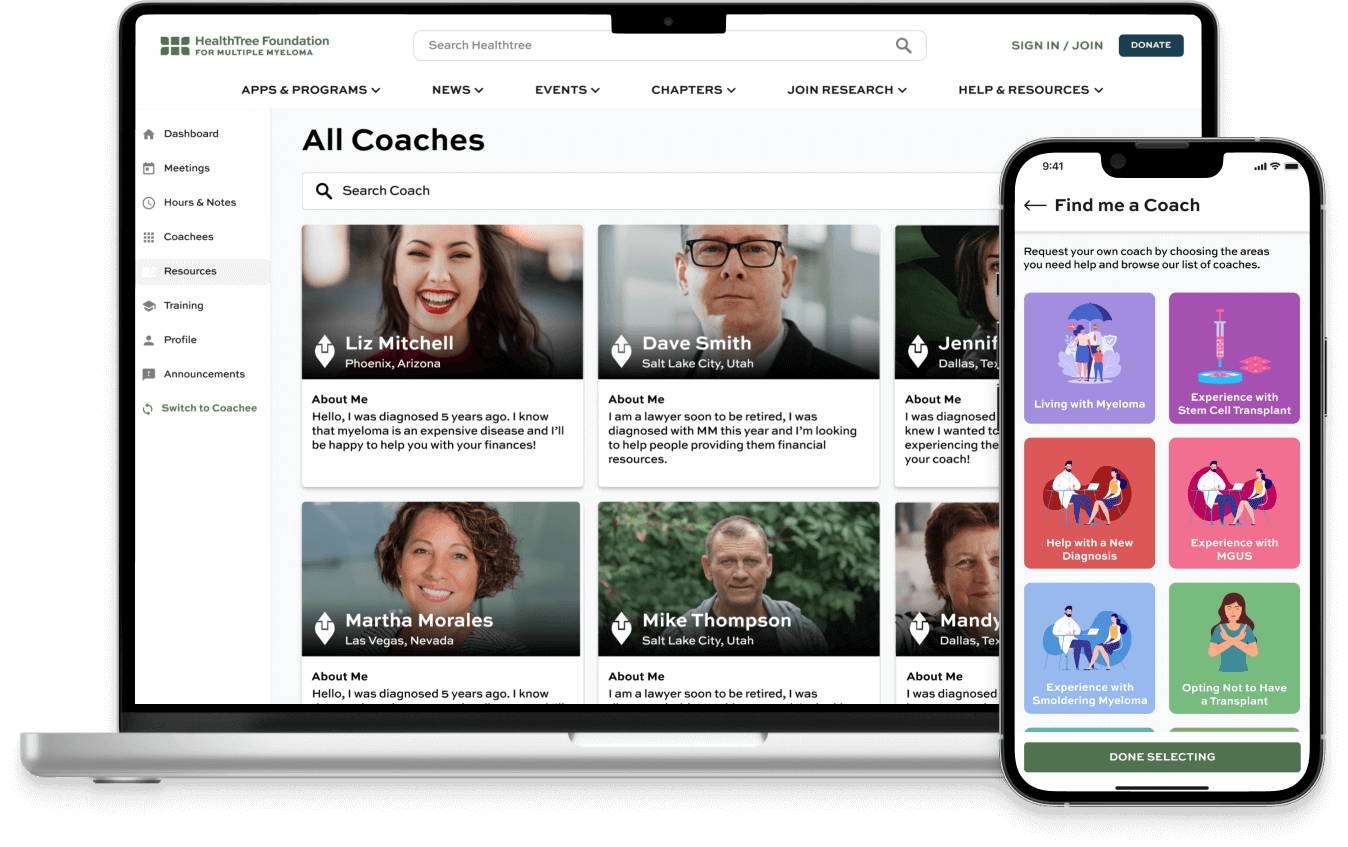
Personalized Coaching

All Coaches are volunteer survivors or caregivers who want to share their experiences and help guide you through your diagnosis and treatment.

You can find a coach who:
  • Has your type of disease
  • Had a similar treatment
  • Has personal areas of experience to match your needs
  • Lives in your geographic area
You are able to work with more than one Coach at a time and can connect by phone, computer or in person.

Become a Coach

  • Make a meaningful difference in patients' lives.
  • No experience needed – we provide comprehensive training on skills and knowledge to help you succeed.
  • Commitment - Dedicate at least 8 hours per month for one year.
  • Access to easy-to-use resources, including online videos, webinars, and helpful tools to help you find the right answers quickly.

Find Meaningful Connections
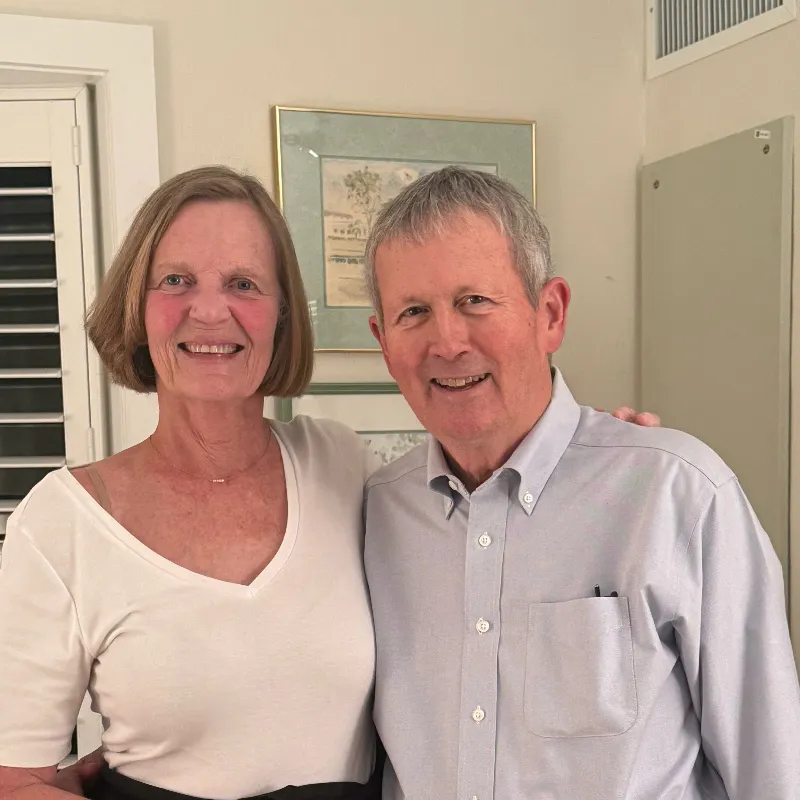
Ann Chenoweth image
HealthTree Coach Icon

Ann Chenoweth

multiple myeloma coach since 2023

I was diagnosed at 64 years old in August, 2022 after my primary care physician ordered a urinalysis during my annual physical. It was abnormal and she quickly referred me to a Myeloma specialist/hematologist. I had no symptoms at all and was very active. I was surprised to say the least! I am stage 3 with high LDH and have ALL amyloidosis. I had between 50-100 bone lesions at diagnosis. My induction therapy was D-Vrd and I had to FIGHT my insurance company to pay for the Dara. They kept denying it. I worked in the healthcare industry my entire career and fortunately understand the concept of medical necessity and the denial process. My hematologist and I each wrote a letter and I appealed to the state insurance board. They overturned the denial and I was reimbursed for the entire amount I paid for Dara out-of-pocket (which was not cheap!). Now I'm on Medicare so there are different challenges to navigate! My ASCT (inpatient) was in January 2023 (MRD- after transplant) and now doing 10 mg Revlimed maintenance 28/28. Three months after starting Revlimed, I developed a horrible rash (head to toe) and discontinued Revlimed for 5 weeks which was pretty stressful. It was slowly reintroduced and I was back to my normal dose after 4 months with no side effects. My hematologist added Dara in Feb. 2024 because perivascular amyloids were present on bone marrow biopsy 1/24 (1 year post transplant) though I remain MRD-. In 12/24, my hematologist reduced my Revlimed dose to 5mg 28/28 due to consistently low ANC (I feel fine!). As of January, 2026, I am still MRD-. As a result of being MRD- for 3 years, my hematologist eliminated dara so I am on only on 5 mg revlimed/day. I’ve continued to be very active - hiking in the mountains, tennis, reformer pilates - all at the same intensity/frequency as before my diagnosis. It was important for me to stay active and I was playing tennis 5-6 weeks after ASCT. Back to league play after 2 months. I also love to travel and received approval by my hematologist to go on a planned trip to France 3 1/2 months after ASCT. I traveled to Europe three times in the first year after transplant (2023) and had 3 additional European trips in 2024 and 4 international trips in 2025 plus a few domestic trips to visit family and friends. Of course I wear an N95 mask on planes and trains. I eat out often (I hate to cook) and have had 3 instances of food poisoning since being diagnosed and was actually hospitalized 3 days in 2025 with salmonella (from poke bowl). I prefer to eat outside but when dining indoors, I ask for a table with a little extra space around it due to me being very immunocompromised. I find restaurants are very accommodating. I've received tremendous value from HealthTree coaches and I am passionate about paying it forward and want to help/support you anyway that I can in your myeloma journey. If the times I posted don’t work for you just let me know. I’m very flexible!

View Coach
Jeffrey Rich image
HealthTree Coach Icon

Jeffrey Rich

multiple myeloma coach since 2026

In May, 2020, at the age of 56, I had a routine blood test done which showed abnormal markers associated with MGUS (Monoclonal Gammopathy of Undetermined Significance). MGUS does not need to be treated but should be monitored, as in a small number of cases, MGUS can progress to a more serious blood disorder, multiple myeloma (MM). 1% of MGUS cases progress to MM each year and about 20% of MGUS cases progress to MM at some point in the person’s life. I was monitored by an oncologist through 2023 and had two bone marrow biopsies during this period. The markers and biopsy results continued to deteriorate until I was declared to have smoldering multiple myeloma in 2023, a precursor to a full MM diagnosis. In fact, the markers were close enough to full blown MM that I decided to be treated for MM in early 2024. This included a quad-drug chemotherapy treatment and autologous stem cell transplant. Currently, I’m in remission (knock wood) and feeling good. My mother was diagnosed with MM and passed away shortly after in 2006. The number and effectiveness of MM treatments at that time was limited. Though a genetic link to MM has not been discovered as of yet, family history is considered a risk factor. My mother’s ordeal helped to educate me on MM, well before I was diagnosed. Though I have been unlucky in contracting MM, the MGUS diagnosis allowed me to follow the progression to MM very carefully. I’d consider myself “lucky” in that I have not realized some of worst symptoms of MM, such as bone and organ damage. Many MM patients’ first indication that they have the disease is when they report significant bone and/or organ injuries. Thus, early detection is important, if possible. In the 19 years since my mother was diagnosed, many advancements have been made in treatments such that the life span of survival with the disease is much improved. The National Institutes of Health (NIH) has been instrumental in working on improved treatments for cancers with no cure such as MM. More effective treatments with fewer side effects are being developed every year such that more MM patients are living longer, higher quality lives. Sustaining NIH’s research investments along with providing the associated insurance coverage is paramount for the long-term benefit of MM patients and to possibly discovering a cure for MM in the future. I intend to advocate for MM to help keep the positive momentum going. My outlook as a MM patient is encouraging in light of what happened to my mother and the current environment of improving treatments.

View Coach
Thanks to our sponsors:
Johnson and Johnson logo
Amgen logo
Legend Biotech logo
Regeneron logo
Kite logo