How Does Testosterone Affect Cancer Growth?
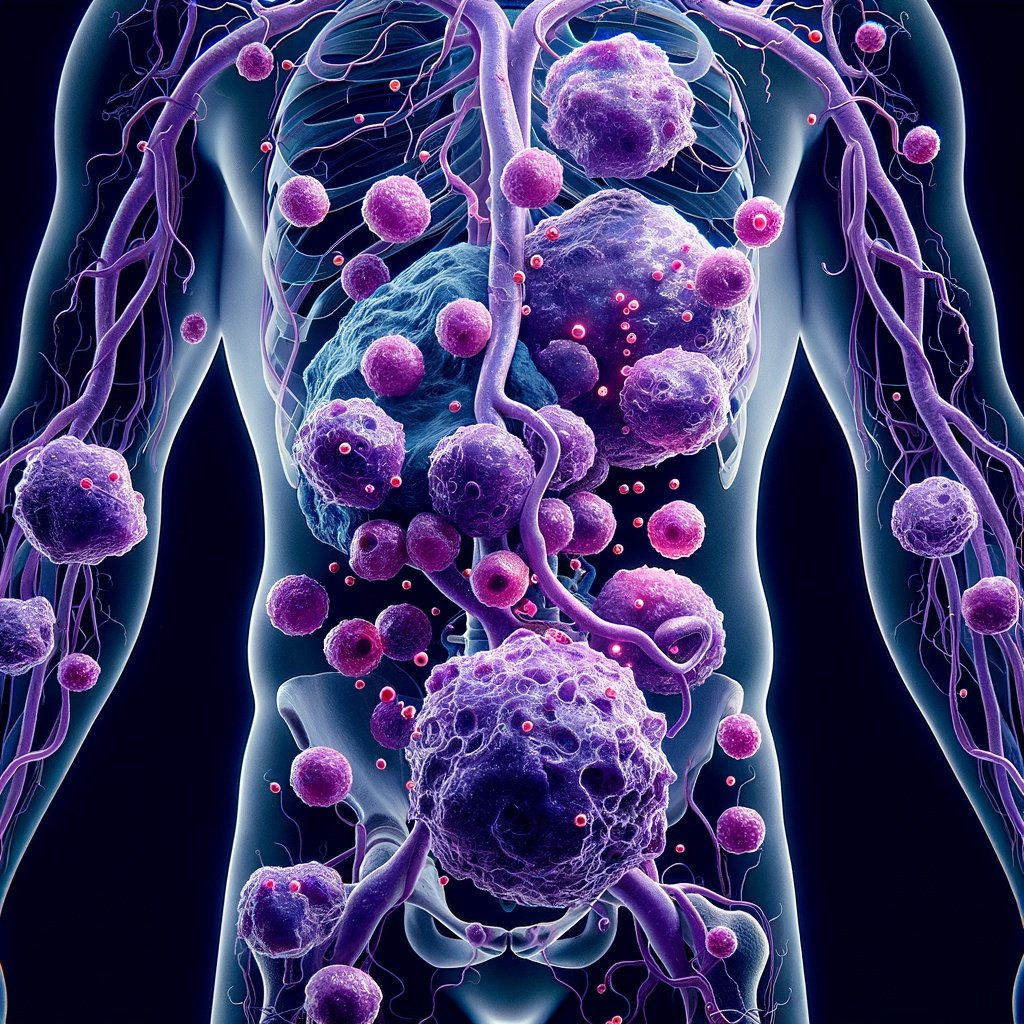
Testosterone can help some tumors grow. In others, it seems to slow them down. Which one happens depends on the type of cancer, where the tumor sits in the body, and how the hormone affects the immune system.
That’s why the effects of testosterone on cancer growth look so different from one disease to the next. Prostate cancer is the best-known case of a tumor that feeds on testosterone. New research suggests that brain cancer, and possibly colorectal cancer, may work the other way. If you or someone you love is weighing testosterone replacement therapy (TRT) during or after cancer, these differences matter.
How Does Testosterone Normally Affect Cancer Growth?
Testosterone isn’t considered a direct cause of cancer. But it can affect how some cancers grow once they’re there. In prostate, bladder, esophageal, head and neck, and stomach cancers, testosterone can act as a growth signal for tumor cells. Higher testosterone levels have also been linked to a higher risk, or faster progression, of liver cancer and melanoma.
The Reverse Effect: Testosterone and Brain Cancer
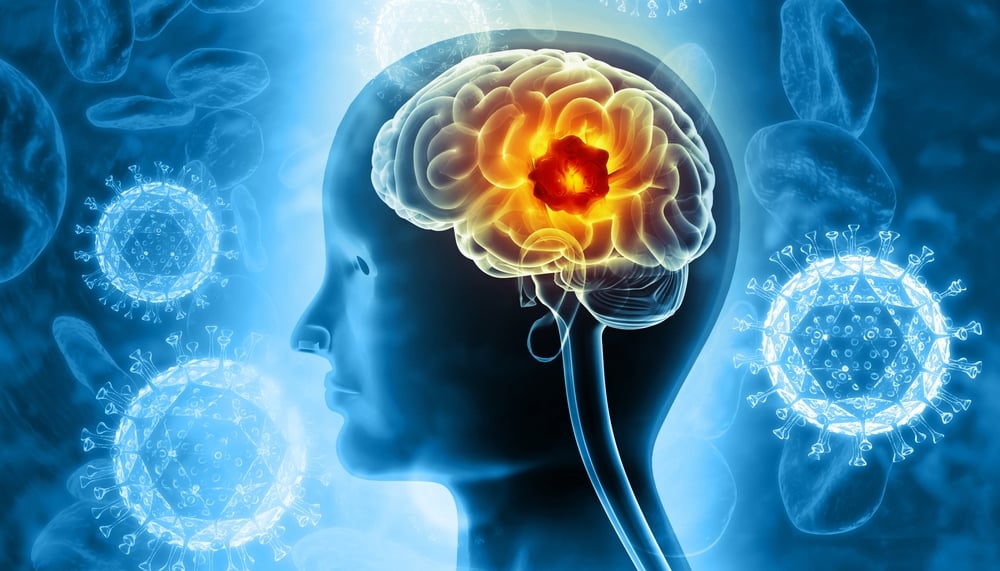
Glioblastoma is an aggressive brain tumor. It’s more common in men than in women, and often more aggressive in men too. Yet research from Cleveland Clinic shows that testosterone and other androgens (male sex hormones) help slow glioblastoma growth in men. That’s the opposite of what testosterone does in most cancers outside the brain.
When researchers removed or blocked testosterone, they saw a chain reaction:
Stress hormones rose. Losing testosterone set off a stress-hormone response.
Immune cells shut down. Those stress hormones suppressed the immune cells that fight tumors.
Brain inflammation drove the process. Inflammation inside the brain kept the cycle going.
The tumor took advantage. With the immune system held back, the tumor had room to grow.
Key Findings
The brain plays by different rules. In prostate or lung cancer, testosterone often fuels tumor growth. In the brain, it acts more like a brake.
Low testosterone triggers a stress response. Removing testosterone causes inflammation in the hypothalamus, a control center deep in the brain. This floods the body with stress hormones and keeps immune cells from reaching the tumor, which lets it grow.
Survival data from real patients is encouraging. According to the NIH, men with glioblastoma who were already taking testosterone for unrelated reasons had a 38% lower risk of death. Their median survival was 16 months, compared with 12 months for men treated with chemotherapy alone.
Location shapes the response. Where a tumor grows often decides how hormones and the immune system interact. The blood-brain barrier creates a separate environment for testosterone signaling.
Testosterone keeps brain immunity balanced. In the nervous system, testosterone helps keep microglia (the brain’s immune cells) and local inflammation in check.
In brain cancer, testosterone seems to protect rather than fuel growth. A 2026 study in Nature found that healthy testosterone levels slowed glioblastoma progression in males. When levels dropped too low, the brain’s stress response went into overdrive and kept the immune system’s fighter cells away from the tumor.
Important: These findings are promising, but testosterone therapy is not an approved or standard treatment for brain cancer. Do not start testosterone without talking to your oncology team first.
Testosterone Also Acts in Colorectal Cancer
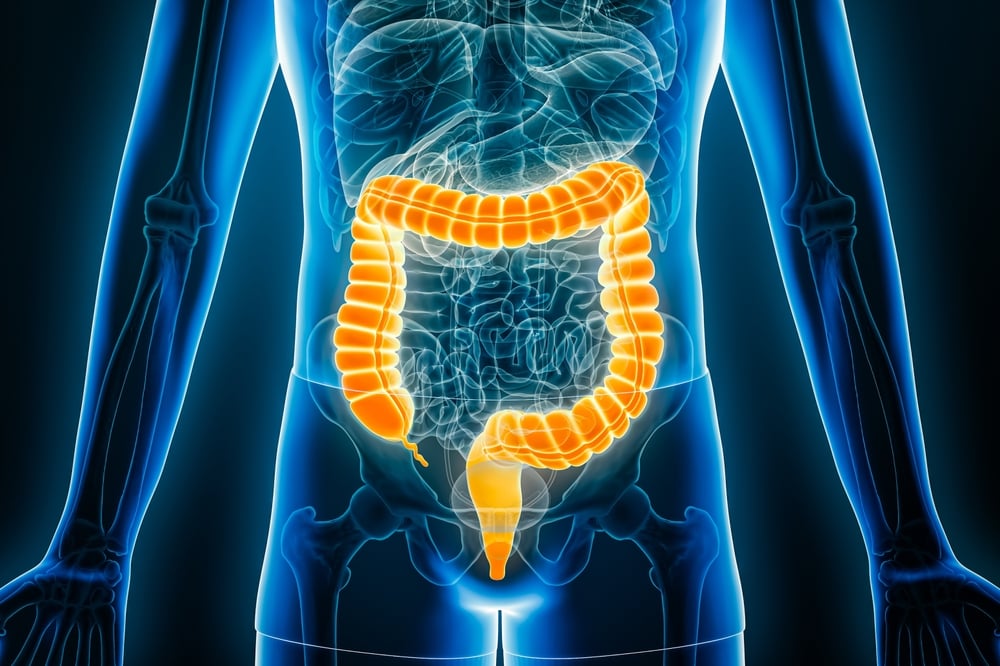
Early data suggest colorectal cancer may follow a similar reverse pattern. Normal or supplemental testosterone levels may offer some protection against advanced-stage colon cancer. Severe testosterone deficiency is generally linked to worse survival.
This evidence is still limited. It shows an association, not proof that testosterone protects against colorectal cancer. More research is needed before it can shape treatment decisions.
The Pros and Cons of Testosterone Replacement Therapy in Cancer Treatment
For people with cancer, TRT is a balancing act. It can relieve the symptoms of low testosterone, but it may also stimulate cancer cells that respond to hormones.
The Wrap-Up
Testosterone affects each cancer differently. It can speed up hormone-sensitive cancers like prostate cancer. In brain cancer and possibly colorectal cancer, it may help slow the disease down. That’s why it’s important to understand how hormones interact with a specific cancer before making any treatment decision.
TRT can help people with low testosterone, but it also carries real risks. Researchers still need to learn more about when testosterone protects and when it harms. If you’re thinking about TRT, work closely with your oncology team so the decision fits your diagnosis, treatment history, and overall health.