New esophageal cancer drugs approved since late 2024 — zanidatamab (Ziihera), tislelizumab (Tevimbra), durvalumab (Imfinzi) with FLOT, zolbetuximab (Vyloy), and trastuzumab deruxtecan (Enhertu) extend median survival by roughly 2 to 7 months for patients whose tumors carry the right biomarkers. Antibody-drug conjugates such as sonesitatug vedotin and iza-bren have shown survival gains in 2026 phase 3 trials and may be next.
Key takeaways
The newest FDA approval is zanidatamab (August 25, 2026) for HER2-positive adenocarcinoma: median survival 26.4 vs. 19.2 months.
Tislelizumab extends survival about 7 months in PD-L1-positive squamous cell esophageal cancer.
Durvalumab + FLOT lowers the risk of recurrence and death for operable gastroesophageal junction cancer.
Biomarker testing (PD-L1, HER2, Claudin 18.2, MSI) decides which new drug fits you.
Watch for sonesitatug vedotin, iza-bren, arcotatug tavatecan and ifinatamab deruxtecan in the next 1–3 years.
Esophageal cancer types and biomarkers: why they decide which new drug fits
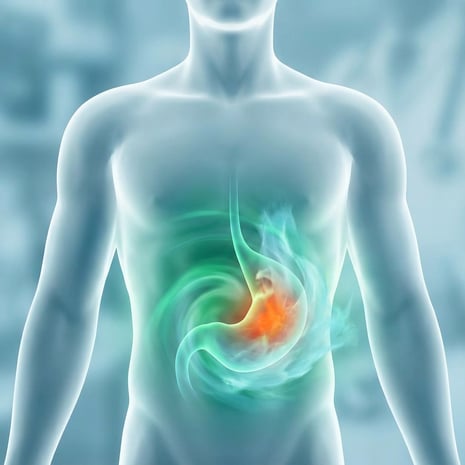
Esophageal cancer comes in two main types, and the newest esophageal cancer treatments work only for patients whose tumors carry specific markers. Knowing your type and biomarkers is the single most important step toward getting the right drug.
Esophageal squamous cell carcinoma (ESCC) starts in the flat cells lining the upper and middle esophagus. It is the most common type worldwide, especially in Asia.
Esophageal adenocarcinoma starts in gland cells near the stomach, often at the gastroesophageal junction (GEJ). It is the most common type in the United States and Europe, and it is usually treated like stomach (gastric) cancer.
Four biomarkers now steer treatment choices:
Biomarker | What it means | Drugs it points to |
|---|
PD-L1 (CPS or TAP score ≥1) | Tumor may respond to immunotherapy | Nivolumab, pembrolizumab, tislelizumab, durvalumab |
HER2-positive | Tumor overproduces the HER2 growth protein (about 15–20% of adenocarcinomas) | Zanidatamab, trastuzumab, trastuzumab deruxtecan |
Claudin 18.2-positive | A tight-junction protein exposed on cancer cells (about 38% of HER2-negative adenocarcinomas) | Zolbetuximab |
MSI-high / dMMR | Mismatch-repair defect; strong immunotherapy responder | Checkpoint inhibitors |
Since 2024–2025, the FDA has limited immunotherapy for advanced esophageal and gastric cancer to tumors with PD-L1 expression of 1 or higher, after an advisory committee found little benefit in PD-L1–negative tumors.
Recently FDA-approved esophageal cancer drugs (2024–2026)
Five new drugs or new uses have reached U.S. patients with esophageal and gastroesophageal junction cancer since late 2024. The newest is zanidatamab, approved August 25, 2026.
3. Tislelizumab (Tevimbra) for esophageal squamous cell carcinoma
Approved: March 4, 2025, first-line with platinum chemotherapy for advanced ESCC with PD-L1 ≥1 (CancerNetwork). It was earlier approved (2024) after prior chemotherapy.
How it works: A PD-1 inhibitor engineered to avoid binding a receptor on immune cells that can blunt other PD-1 drugs.
Effectiveness (RATIONALE-306 trial): Median survival 16.8 months vs. 9.6 months with chemo alone in PD-L1–positive patients, a 34% lower risk of death.
How much longer you may live: About 7 months longer on average.
Side effects: Anemia, fatigue, low appetite, nausea, constipation, weight loss and diarrhea; serious events included pneumonia and esophageal narrowing. Like all checkpoint inhibitors, it can cause immune inflammation of organs.

Nataliya Uboha, MD, PhD
“We should be able to easily incorporate this [regimen] into our treatment paradigms,” Dr. Nataliya Uboha said in an interview with OncLive®. “Tislelizumab can be combined with different chemotherapy backbones and should be built into treatment guidelines for patients with ESCC.”
Also changed: immunotherapy now limited to PD-L1-positive tumors
Nivolumab (Opdivo) and pembrolizumab (Keytruda) remain first-line options, but labels for advanced esophageal and gastric cancer now require PD-L1 ≥1 after a September 2024 FDA advisory vote. In KEYNOTE-811, adding pembrolizumab to trastuzumab and chemo for HER2-positive, PD-L1-positive disease lifted median survival to 20.0 months from 15.7 months.
Esophageal cancer drugs in clinical trials: what may be approved next
The next wave of esophageal cancer drugs is led by antibody-drug conjugates (ADCs), which deliver chemotherapy directly into cancer cells. Two have already shown a survival benefit in phase 3 trials in 2026.
New esophageal cancer drugs compared: survival gains at a glance
The biggest survival gains so far come from zanidatamab and tislelizumab, each adding about 7 months of median survival in the right patients.
Drug (brand) | Type | Who it's for | Status (U.S.) | Median survival: drug vs. comparison | Key side effect |
|---|
Zanidatamab (Ziihera) + tislelizumab + chemo | HER2 bispecific antibody | HER2+ adenocarcinoma, first-line | Approved Aug 2026 | 26.4 vs. 19.2 months | Diarrhea |
Tislelizumab (Tevimbra) + chemo | PD-1 immunotherapy | ESCC, PD-L1 ≥1, first-line | Approved Mar 2025 | 16.8 vs. 9.6 months | Immune-related inflammation |
Durvalumab (Imfinzi) + FLOT | PD-L1 immunotherapy | Operable gastric/GEJ adenocarcinoma | Approved Nov 2025 | 22% lower risk of death (medians not reached) | Immune-related inflammation |
Trastuzumab deruxtecan (Enhertu) | HER2 ADC | HER2+ adenocarcinoma, second-line | Approved | 14.7 vs. 11.4 months | Lung inflammation (ILD) |
Zolbetuximab (Vyloy) + chemo | Claudin 18.2 antibody | CLDN18.2+, HER2– adenocarcinoma | Approved Oct 2024 | 18.2 vs. 15.5 months (SPOTLIGHT) | Nausea, vomiting |
Iza-bren | EGFR×HER3 bispecific ADC | ESCC after immunotherapy | China only (Jul 2026) | 9.8 vs. 7.2 months | Low blood counts |
Sonesitatug vedotin | Claudin 18.2 ADC | CLDN18.2+ adenocarcinoma, later-line | Phase 3 positive | Significant gain (numbers pending) | Nausea, low blood counts |
Arcotatug tavatecan (IBI343) | Claudin 18.2 ADC | CLDN18.2+ adenocarcinoma, later-line | Phase 3 ongoing | Pending | Low albumin, low blood counts |
Ifinatamab deruxtecan (I-DXd) | B7-H3 ADC | ESCC, second-line | Phase 3 ongoing | Pending | Pending |
Median survival means half of patients lived longer and half lived shorter; many patients do better than the median. Trial numbers are not directly comparable across rows because the patients differed.
How to find the right new treatment for esophageal cancer
Ask for full biomarker testing at diagnosis; it is the gateway to every targeted esophageal cancer drug listed above.
Confirm the cancer type: squamous cell carcinoma or adenocarcinoma.
Request biomarker testing on your biopsy: PD-L1 (CPS), HER2, Claudin 18.2, and MSI/mismatch repair. Ask whether FGFR2b or broader genomic (NGS) testing is worthwhile.
Ask your oncologist these questions:
Which of my biomarkers qualify me for zanidatamab, zolbetuximab, tislelizumab or another newer drug?
What is the expected benefit in months, and what side effects should I watch for?
If my cancer can be operated on, should I get immunotherapy with chemotherapy before and after surgery?
Is there a clinical trial that fits me now, before my options narrow?
Get a second opinion at a high-volume center that treats esophageal cancer, especially before surgery.
Frequently asked questions about new esophageal cancer drugs
What is the newest drug for esophageal cancer? Zanidatamab (Ziihera), approved by the FDA on August 25, 2026, is the newest. It is for HER2-positive gastroesophageal adenocarcinoma and, with tislelizumab and chemotherapy, extended median survival to 26.4 months from 19.2 months.
What is the survival rate for esophageal cancer? The overall 5-year relative survival rate is 22%: 49% when the cancer is localized, 28% when it has spread to nearby tissue, and 5% when it has spread to distant organs (American Cancer Society). These figures come from patients diagnosed in 2015–2021, before most of the new drugs in this article.
What is stage 4 esophageal cancer life expectancy with treatment? With newer first-line combinations, median survival in clinical trials now ranges from about 17 months (tislelizumab + chemo for PD-L1-positive ESCC) to about 26 months (zanidatamab combination for HER2-positive adenocarcinoma). Without treatment, survival is usually measured in months. Individual outcomes vary widely.
Is esophageal cancer curable? Early-stage esophageal cancer can be cured with surgery, chemotherapy, and/or radiation. Adding immunotherapy around surgery, such as durvalumab with FLOT, lowers the chance of the cancer returning. Advanced (stage 4) disease is generally treated to control the cancer and extend life.
What is the success rate of immunotherapy for esophageal cancer? Immunotherapy works best when tumors express PD-L1. In PD-L1-positive squamous cell cancer, tislelizumab with chemotherapy cut the risk of death by 34%. For PD-L1-negative tumors, the benefit is small, so the FDA now limits these drugs to PD-L1 ≥1.
How does zanidatamab work? Zanidatamab's mechanism of action is dual binding: it attaches to two separate sites on HER2, clustering and removing the receptors and triggering immune attack on the cancer cell.
What is Claudin 18.2 and why does it matter? Claudin 18.2 is a protein exposed on many stomach and GEJ cancer cells. Zolbetuximab (Vyloy) targets it today, and Claudin 18.2 ADCs such as sonesitatug vedotin may follow.
Are there clinical trials for esophageal cancer? Yes. Phase 3 trials are testing antibody-drug conjugates including ifinatamab deruxtecan (squamous) and arcotatug tavatecan (Claudin 18.2-positive adenocarcinoma). Search ClinicalTrials.gov or ask your oncologist.

