![[logo] HealthTree Foundation](https://static.healthtree.org/icons/icon_spinner.svg)
![[logo] HealthTree Foundation](https://static.healthtree.org/logo_icon_only.svg)
Understanding Prostate Cancer?

Questions to Ask About Prostate Cancer
Last updated and reviewed on March 26, 2026.
Before your appointments for prostate cancer, you may want to consider writing down the questions you would like to ask. This helps you so you don’t forget during your appointment.
Questions to ask your doctor about prostate cancer
Knowing what to ask your doctor can help you feel more in control of your care. Use this list as a starting point, bring it to your appointments, take notes, and don't be afraid to ask follow-up questions. You may also want to bring a family member or friend to help you remember what was said.
Questions about your diagnosis
Understanding your diagnosis is the first step. These questions will help you learn exactly what type of prostate cancer you have and how serious it is.
- What type of prostate cancer do I have?
- What is my Gleason Score and Grade Group, and what does that mean for me?
- What is my TNM stage (T, N, and M)? Can you explain what each part means?
- What risk group am I in: low, intermediate, or high risk?
- Has the cancer spread outside my prostate? If so, where?
- What was my PSA level at diagnosis, and what does that number mean?
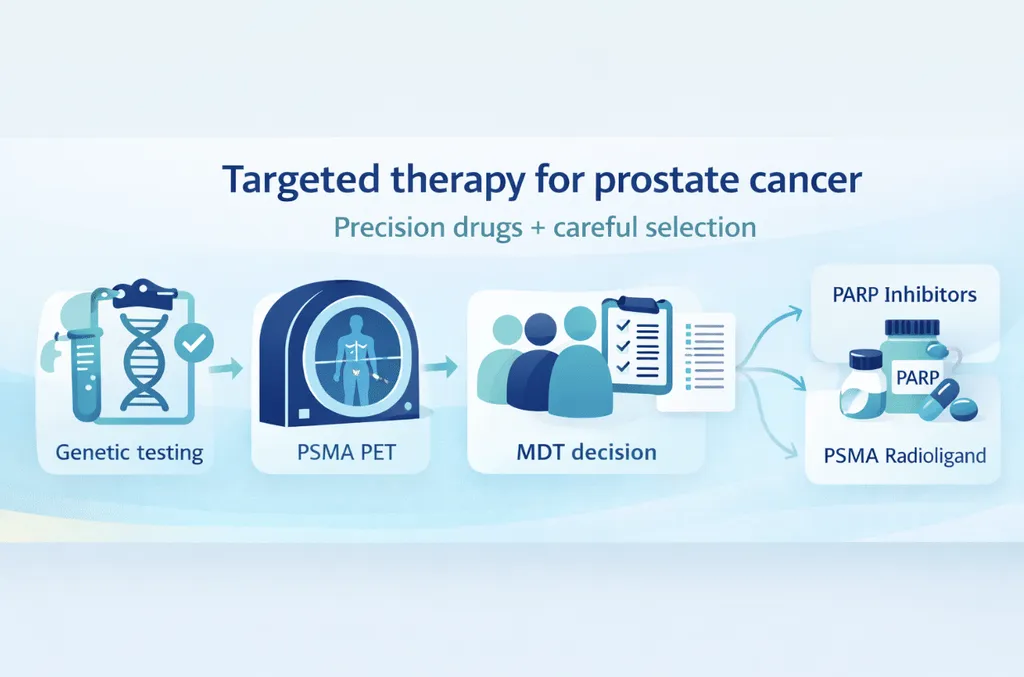
- Do I need any additional tests or scans (such as a bone scan, CT scan, or PSMA PET scan) to better understand my cancer?
- Should I be tested for gene mutations like BRCA1 or BRCA2 that might affect my treatment options?
- How quickly does my cancer appear to be growing?
- Can I get a copy of my pathology report to keep for my records?
Questions to ask about prostate cancer treatment
There are many treatment options for prostate cancer. These questions will help you understand your choices and what to expect.
- What treatment options are available for my type and stage of prostate cancer?
- Which treatment do you recommend for me, and why?
- Is active surveillance (watchful waiting) an option for me?
- What is the goal of treatment to cure the cancer, or to control it and manage symptoms?
- What are the risks and benefits of each treatment option?
- How will this treatment affect my daily life?
- What are the possible side effects, both short-term and long-term?
- How might treatment affect my sexual function, urinary control, and bowel habits?
- Will I need more than one type of treatment? For example, surgery followed by radiation or hormone therapy?
- How long will treatment last?
- Where will I receive treatment at this office, a hospital, or a specialist center?
- Should I get a second opinion before starting treatment?
- Are there newer treatments or technologies available for my case?
Questions to ask about prostate cancer follow-up care
Once treatment ends, regular follow-up care is important to monitor your health and catch any changes early.
- How often will I need follow-up appointments after treatment?
- What tests will I have at my follow-up visits (such as PSA tests)?
- What PSA level should I be aiming for after treatment?
- What signs or symptoms should I watch for that would mean I need to call you right away?
- What happens if my PSA starts to rise again after treatment?
- How will we know if the cancer has come back?
- Are there long-term side effects I should be aware of after treatment ends?
- What can I do to protect my bone health, especially if I am on hormone therapy?
- Do I need to see any other specialists as part of my follow-up care (such as a urologist, oncologist, or cardiologist)?
- Are there lifestyle changes — like diet and exercise — that could reduce the risk of the cancer coming back?
- When can I return to my normal activities, including work and exercise?
Questions to ask about clinical trials
Clinical trials test new treatments that may be more effective than what is currently available. Asking about trials gives you access to cutting-edge care.
- Are there any clinical trials that I might be eligible for?
- What is the purpose of the trial? Is it testing a new drug, a new combination of treatments, or a new way of delivering treatment?
- What are the potential benefits of joining a clinical trial?
- What are the risks of participating?
- Will I receive the new treatment, or is there a chance I could be in a "control group" that receives standard treatment or a placebo?
- How will participating in a trial affect my daily life and schedule?
- Will there be additional tests or visits required if I join a trial?
- Will my insurance cover the costs of a clinical trial?
- Can I leave the trial if I change my mind?
- Where can I find more information about clinical trials for prostate cancer?
Tip: You can search for clinical trials by creating a HealthTree account and using our clinical trial finder
Questions to ask about coping with prostate cancer
Coping with cancer involves your emotional health, relationships, and quality of life — not just your physical treatment. These questions can help you get the support you need.
- Are there counselors, social workers, or psychologists on your team who specialize in helping cancer patients?
- Are there support groups for men with prostate cancer that you recommend?
- How can I manage the emotional side effects of my diagnosis, such as anxiety or depression?
- What resources are available to help my partner or family cope as well?
- How might treatment affect my sex life and intimacy — and what help is available?
- Are there specialists (such as a urologist or sex therapist) who can help with sexual side effects?
- What can I do about urinary leakage or other physical side effects that are affecting my quality of life?
- Is there a palliative care or supportive care team I can work with alongside my cancer treatment?
- Are there financial assistance programs available to help cover the cost of treatment or medications?
- What do I tell my employer, family, or friends about my diagnosis — and do you have any guidance on those conversations?
- Are there apps, books, or online resources you recommend for prostate cancer patients?
Tips for getting the most out of your appointments
- Write your questions down ahead of time so you don't forget them in the moment.
- Bring someone with you. A partner, family member, or friend can help take notes and remember what was discussed.
- Record the conversation (with your doctor's permission) so you can listen again at home.
- Ask for clarification if something is unclear. It is perfectly okay to say, "Can you explain that in simpler terms?"
- Ask what happens next at the end of every appointment so you always know the next step.
Questions to Ask About Prostate Cancer
Last updated and reviewed on March 26, 2026.
Before your appointments for prostate cancer, you may want to consider writing down the questions you would like to ask. This helps you so you don’t forget during your appointment.
Questions to ask your doctor about prostate cancer
Knowing what to ask your doctor can help you feel more in control of your care. Use this list as a starting point, bring it to your appointments, take notes, and don't be afraid to ask follow-up questions. You may also want to bring a family member or friend to help you remember what was said.
Questions about your diagnosis
Understanding your diagnosis is the first step. These questions will help you learn exactly what type of prostate cancer you have and how serious it is.
- What type of prostate cancer do I have?
- What is my Gleason Score and Grade Group, and what does that mean for me?
- What is my TNM stage (T, N, and M)? Can you explain what each part means?
- What risk group am I in: low, intermediate, or high risk?
- Has the cancer spread outside my prostate? If so, where?
- What was my PSA level at diagnosis, and what does that number mean?
- Do I need any additional tests or scans (such as a bone scan, CT scan, or PSMA PET scan) to better understand my cancer?
- Should I be tested for gene mutations like BRCA1 or BRCA2 that might affect my treatment options?
- How quickly does my cancer appear to be growing?
- Can I get a copy of my pathology report to keep for my records?
Questions to ask about prostate cancer treatment
There are many treatment options for prostate cancer. These questions will help you understand your choices and what to expect.
- What treatment options are available for my type and stage of prostate cancer?
- Which treatment do you recommend for me, and why?
- Is active surveillance (watchful waiting) an option for me?
- What is the goal of treatment to cure the cancer, or to control it and manage symptoms?
- What are the risks and benefits of each treatment option?
- How will this treatment affect my daily life?
- What are the possible side effects, both short-term and long-term?
- How might treatment affect my sexual function, urinary control, and bowel habits?
- Will I need more than one type of treatment? For example, surgery followed by radiation or hormone therapy?
- How long will treatment last?
- Where will I receive treatment at this office, a hospital, or a specialist center?
- Should I get a second opinion before starting treatment?
- Are there newer treatments or technologies available for my case?
Questions to ask about prostate cancer follow-up care
Once treatment ends, regular follow-up care is important to monitor your health and catch any changes early.
- How often will I need follow-up appointments after treatment?
- What tests will I have at my follow-up visits (such as PSA tests)?
- What PSA level should I be aiming for after treatment?
- What signs or symptoms should I watch for that would mean I need to call you right away?
- What happens if my PSA starts to rise again after treatment?
- How will we know if the cancer has come back?
- Are there long-term side effects I should be aware of after treatment ends?
- What can I do to protect my bone health, especially if I am on hormone therapy?
- Do I need to see any other specialists as part of my follow-up care (such as a urologist, oncologist, or cardiologist)?
- Are there lifestyle changes — like diet and exercise — that could reduce the risk of the cancer coming back?
- When can I return to my normal activities, including work and exercise?
Questions to ask about clinical trials
Clinical trials test new treatments that may be more effective than what is currently available. Asking about trials gives you access to cutting-edge care.
- Are there any clinical trials that I might be eligible for?
- What is the purpose of the trial? Is it testing a new drug, a new combination of treatments, or a new way of delivering treatment?
- What are the potential benefits of joining a clinical trial?
- What are the risks of participating?
- Will I receive the new treatment, or is there a chance I could be in a "control group" that receives standard treatment or a placebo?
- How will participating in a trial affect my daily life and schedule?
- Will there be additional tests or visits required if I join a trial?
- Will my insurance cover the costs of a clinical trial?
- Can I leave the trial if I change my mind?
- Where can I find more information about clinical trials for prostate cancer?
Tip: You can search for clinical trials by creating a HealthTree account and using our clinical trial finder
Questions to ask about coping with prostate cancer
Coping with cancer involves your emotional health, relationships, and quality of life — not just your physical treatment. These questions can help you get the support you need.
- Are there counselors, social workers, or psychologists on your team who specialize in helping cancer patients?
- Are there support groups for men with prostate cancer that you recommend?
- How can I manage the emotional side effects of my diagnosis, such as anxiety or depression?
- What resources are available to help my partner or family cope as well?
- How might treatment affect my sex life and intimacy — and what help is available?
- Are there specialists (such as a urologist or sex therapist) who can help with sexual side effects?
- What can I do about urinary leakage or other physical side effects that are affecting my quality of life?
- Is there a palliative care or supportive care team I can work with alongside my cancer treatment?
- Are there financial assistance programs available to help cover the cost of treatment or medications?
- What do I tell my employer, family, or friends about my diagnosis — and do you have any guidance on those conversations?
- Are there apps, books, or online resources you recommend for prostate cancer patients?
Tips for getting the most out of your appointments
- Write your questions down ahead of time so you don't forget them in the moment.
- Bring someone with you. A partner, family member, or friend can help take notes and remember what was discussed.
- Record the conversation (with your doctor's permission) so you can listen again at home.
- Ask for clarification if something is unclear. It is perfectly okay to say, "Can you explain that in simpler terms?"
- Ask what happens next at the end of every appointment so you always know the next step.
Trending Articles



Get the Latest Prostate Cancer Updates, Delivered to You.
By subscribing to the HealthTree newsletter, you'll receive the latest research, treatment updates, and expert insights to help you navigate your health.
Together we care.
Together we cure.